Episode Transcript
[00:00:15] Speaker A: Greetings, troubled listeners. Welcome back to the Troubled Men podcast. I am Renee Komen, sitting once again in the heart of the Clampire Snake and Jake's Christmas Club Lounge with my co host, the original troubled man for troubled times, Mr. Manny Chevrolet. Welcome, Manny.
[00:00:31] Speaker B: Hey, man, what is happening with you?
[00:00:34] Speaker A: Oh, not too much.
Nice to be back here. We had your birthday last week. Did you have a good birthday week?
[00:00:40] Speaker B: Yeah.
[00:00:41] Speaker A: Keep it rolling for a few days.
[00:00:42] Speaker B: Till today. Till
[00:00:44] Speaker A: today. Okay.
[00:00:45] Speaker B: You got my, my Red Vines, man.
[00:00:48] Speaker A: I got the Red Vines.
[00:00:50] Speaker B: Did you invest? Why did you take it with you? Well,
[00:00:53] Speaker A: just because I wanted to see it in the light of day. I wanted to be able to photograph it in the light of day. And
[00:00:57] Speaker B: did you figure out who it was from?
[00:00:59] Speaker A: Well, I did in fact do some research and as we suspected, our old buddy Eddie V. Was somewhere in the mix.
He's
[00:01:13] Speaker B: got a lot of time on his hands.
[00:01:14] Speaker A: Well, I think he's just very efficient, you know. So I had the picture from last week of the. So for listeners that didn't have the show last week, didn't hear it from last week, we received at the bar package
[00:01:31] Speaker B: for me.
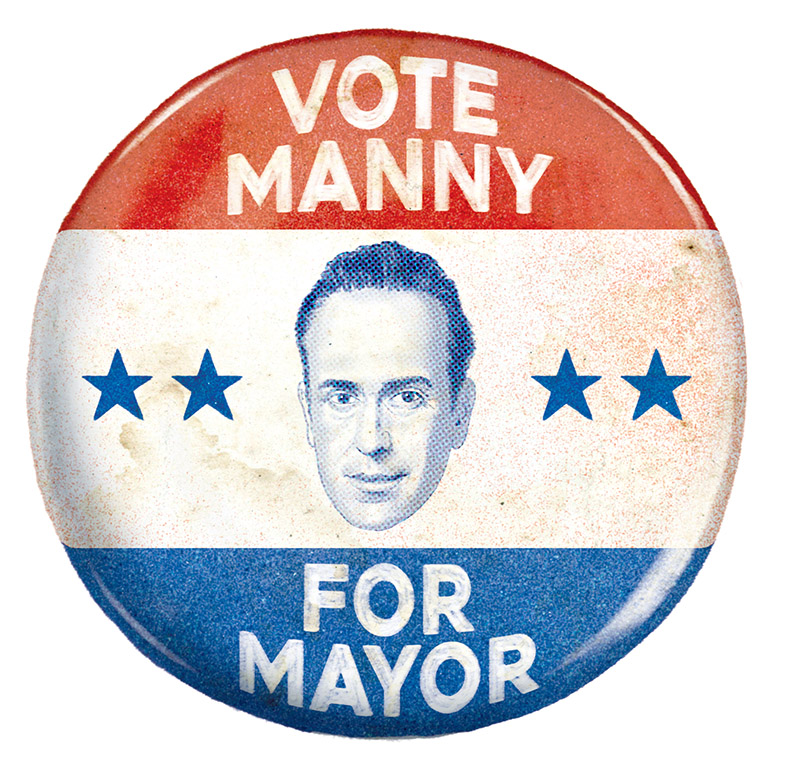
[00:01:33] Speaker A: Well, it was actually addressed to TMP Manny Chevrolet. So Troubled Men podcast, which I'm a party to, but I don't like Red Vines. You can have all the Red Vines, but it had the Specialized custom label. It included the.
Your Manny for. For mayor.
[00:01:51] Speaker B: My photo
[00:01:52] Speaker A: buttons. Yeah. Buttons on the side. It had some.
The lightning bolt art from the Troubled Men podcast logos. The stickers had said Troubled Men with the troubled men jumbled letters. How
[00:02:06] Speaker B: come he didn't do anything for your birthday, Eddie V.
[00:02:10] Speaker A: I don't know. I don't know. He didn't even know.
I think that was just coincidental to your birthday. That was not a specific birthday present.
[00:02:19] Speaker B: Well, no, I had been advertising that it was going to be my birthday.
[00:02:22] Speaker A: Yeah, the wheels must have been in motion for long way before you mentioned it. Anyway, so I asked him, I said, did you have anything to do with this? And he said his answer was, it's amazing what people will ship you if you send them a form letter and tell them how much you love their product.
[00:02:39] Speaker B: Oh.
[00:02:41] Speaker A: So thank you. He
[00:02:43] Speaker B: does that for prostitutes.
[00:02:45] Speaker A: Because you would like. I don't know,
[00:02:48] Speaker B: because I love that product.
[00:02:50] Speaker A: Okay.
[00:02:50] Speaker B: High price hookers, baby.
[00:02:52] Speaker A: Okay,
[00:02:53] Speaker B: you know
[00:02:54] Speaker A: what?
Some women in the audience would be glad that you didn't say high class hookers because they'd say, there's no such thing.
[00:03:01] Speaker B: I don't know what that means.
[00:03:03] Speaker A: High Priced. Yes, I get your point. Yeah, but so, so
[00:03:06] Speaker B: because everyone's got to make money, man.
[00:03:08] Speaker A: Well, sure, sure. Get out there and have some initiative. Hustle. Hustle their ass out on the street.
[00:03:14] Speaker B: Hey, being hungry is not a crime, man.
[00:03:17] Speaker A: So we have £7 or you have £7 of red Vines. What are your plans for these? Are you going to be. Now, I don't think that. So we have Halloween coming up in a few days. Now, I don't. I'm not sure you plan on giving these out for, For Halloween. Just like open up the thing and let their. The, the little monsters stick their grubby hands in there. No,
[00:03:36] Speaker B: you can't do that.
[00:03:36] Speaker A: Yeah, yeah, it seems like the. The parents would be suspicious about.
[00:03:41] Speaker B: I'm going unwrapped
[00:03:43] Speaker A: candy.
[00:03:43] Speaker B: I'm going to wrap them around my penis.
[00:03:46] Speaker A: Okay.
I'm not sure what that's going to get.
[00:03:50] Speaker B: See where the day goes. Okay.
[00:03:52] Speaker A: Okay. Well, you. Well, you got a lot of days in. In store. You get a lot of. A lot of attempts at this. Right.
Seven pounds of Red Vines. You can't imagine.
[00:04:03] Speaker B: Well, I gave a lot out last week.
[00:04:05] Speaker A: Did you? To
[00:04:05] Speaker B: people here at the club here.
[00:04:07] Speaker A: Okay.
[00:04:08] Speaker B: A lot of people love the Red Vines.
[00:04:10] Speaker A: All right. Right on.
[00:04:11] Speaker B: Well, you know, it's a good thing you.
You bite off both ends and you can sip your milk or your
[00:04:18] Speaker A: soda. Coca Cola.
[00:04:20] Speaker B: Yeah. And it gives it that little cherry flavor.
[00:04:23] Speaker A: Okay.
[00:04:23] Speaker B: You know, it's all. It's very good, you know, but anyway.
[00:04:27] Speaker A: Right, right.
[00:04:28] Speaker B: So what's going on here?
[00:04:30] Speaker A: Well, you know, we. We haven't
[00:04:32] Speaker B: lasted more than five minutes already.
[00:04:33] Speaker A: Yeah, yeah. You know, we're. We're in good shape.
Yeah, yeah. The. The. The. The episode before this one came out perfectly fine. The one before that, not so good.
But we have some things that have happened that we didn't. Didn't get to talk about. Oh,
[00:04:49] Speaker B: what's that?
[00:04:50] Speaker A: Well, one of them is we had a celebrity death that happened a few weeks ago. Mike Ditka.
[00:04:56] Speaker B: Oh, yeah. Mike Coach
[00:04:58] Speaker A: Mike Ditka.
[00:04:59] Speaker B: What a jerk that guy was.
[00:05:00] Speaker A: Okay, I thought he was a friend of yours.
[00:05:02] Speaker B: Nah, he is. All right. Okay. I like the name Ditka.
[00:05:06] Speaker A: Sure, sure.
[00:05:06] Speaker B: You know, it sounds like a porn star.
[00:05:09] Speaker A: Sure.
[00:05:10] Speaker B: Like a European porn star. Okay.
A South American porn sir Jose Ditka.
[00:05:16] Speaker A: Kind of in the. In the. The realm of
[00:05:18] Speaker B: Ricardo. Ditka
[00:05:19] Speaker A: had that guy Butkus, but. Right. Well,
[00:05:23] Speaker B: they were on the same team.
[00:05:24] Speaker A: There you go.
[00:05:25] Speaker B: Go figure, man. Now
[00:05:26] Speaker A: I
[00:05:27] Speaker B: wonder what went on in that locker room. Sure,
[00:05:28] Speaker A: sure. Sure.
[00:05:30] Speaker B: But Ditka together
[00:05:32] Speaker A: now. Now, I had actually had a. A close encounter with Mike Ditka.
[00:05:36] Speaker B: Oh, yeah, yeah,
[00:05:37] Speaker A: yeah. I was. I was at
[00:05:38] Speaker B: it. I don't want to know about your personal life. Well,
[00:05:40] Speaker A: it's not. Not so personal.
It was. Wasn't that close.
[00:05:44] Speaker B: Okay.
[00:05:44] Speaker A: But I was in a men's room at a car rental place in Chicago. I was returning a car, and Rod Hodges from the Iguanas was with me. He was out in the lobby, you know, and I'm taking a leak in the bathroom and kind of walking out, and I look and I see it's like, God, Mike Ditka there taking a leak.
And I didn't want to, you know, disturb him there while he was doing his thing and bring it up, but.
But walked outside and. And Rod goes, crazy thing, man. This guy just walked in the bathroom. He looked just like Mike Dicker. I said, yeah, there's a reason for that. That is Mike Dicker.
[00:06:28] Speaker B: Hey, man, people have to go. Sure.
[00:06:31] Speaker A: Should I
[00:06:32] Speaker B: show?
[00:06:33] Speaker A: Well, he was a coach of the Saints.
[00:06:35] Speaker B: Yeah. It
[00:06:36] Speaker A: wasn't
[00:06:36] Speaker B: very good.
[00:06:37] Speaker A: No, no, no. As I recall, it was. He was responsible for the whole Ricky Williams debacle where he gave away all. Kind of. Kind of ruined the team for. For many seasons.
[00:06:46] Speaker B: Right.
[00:06:47] Speaker A: Well, we had another celebrity death tonight. I don't know if she was a friend of yours. Susan St. James.
Susan St. James who. If that name's not familiar to people. She was in the show McMillan and wife with Rock Hudson.
[00:07:02] Speaker B: Right. Who
[00:07:03] Speaker A: played McMillan. They were like a husband and wife, private investigators, something like that.
[00:07:08] Speaker B: She. She wasn't really a P.I. she just helped him.
[00:07:11] Speaker A: Oh, okay.
[00:07:12] Speaker B: Something like that. I don't know. I wasn't a big fan of that. I remember Mad Magazine when I was a kid. I used to get Mad Magazine. Sure.
[00:07:19] Speaker A: Yeah. They
[00:07:20] Speaker B: do parodies of TV shows
[00:07:21] Speaker A: and
[00:07:22] Speaker B: movies, and their parody of that show was McMillan and Dork.
That was.
That was the thing. Yeah. She seemed all right. She had a raspy voice, which I kind of dug. Yeah.
[00:07:35] Speaker A: I can't really remember when I. When they showed her photo, her picture, I was like, oh, yeah, I remember her. And,
[00:07:40] Speaker B: yeah, she did some Love Boats, I guess. Sure.
[00:07:42] Speaker A: Yeah. Yeah, that makes sense.
[00:07:44] Speaker B: Circus of the Stars. Yeah, right.
Dancing with the Whores. You know, that kind of stuff.
You know, the 80s were not kind to her.
[00:07:54] Speaker A: Yeah. Yeah. This is a tough time for a lot of people.
[00:07:56] Speaker B: Yeah.
[00:07:57] Speaker A: Now, now, something else that. That. That. That I had in my notes. The six flag roller coaster deaths and injuries. Have you. That was A couple of weeks ago, but had a guy actually get launched out of one of these roller coasters and fell to his death. Now, are you a fan of roller coasters?
[00:08:15] Speaker B: Well, I used to like them when I was young, but I haven't been on one in about 25, 30 years.
[00:08:20] Speaker A: Sure, sure. I've never cared for him. Never cared for him. You know, we had the big one here in New Orleans, Train beach, the Zephyr.
[00:08:27] Speaker B: Yeah.
[00:08:28] Speaker A: When Pontchartrain beach was, was fixing to close, it was like the last weekend. I'd never been on the Zephyr. My wife forced me to go on the Zephyr, and because she liked it and she'd been on it many times, and I acquiesced, I went on it. And when it was over, she said, now aren't you glad you went? I said, no, I'm not. I was miserable the whole time and let that happen
[00:08:54] Speaker B: because you get on and you, you go, you know, with a group of kids, you know, girls and guys, and you go with a girl, and it's the only time you can feel them up without them, you know, getting mad because they're screaming at the top of their lungs.
[00:09:08] Speaker A: Too distracted. Yeah.
[00:09:10] Speaker B: Too distracted to, like, take
[00:09:12] Speaker A: notice of your molestation.
[00:09:15] Speaker B: Yeah, exactly.
[00:09:16] Speaker C: So are you saying you stopped riding roller coasters when they started taking photographs of you on the coaster?
[00:09:21] Speaker B: I don't know. I just stopped because I couldn't take them anymore because of. Just got older, you know. Sure. I did go one. The last one I went on was when my kid was about 7 or 8 years old, and it was a little mini roller coaster. Right, at Disneyland and stuff like that.
[00:09:38] Speaker A: Yeah, well, the small ones, like, they have the one at City park for the kids. I'll go on that one, you know. Yeah. It's not too treacherous. Now these, I mean, the Zephyr was one thing, but these, the ones they're building at Six Flags where even if somebody doesn't get thrown out, they have people that have suffered traumatic brain injuries just from the, you know, the force involved. Well, I think
[00:09:59] Speaker B: you're supposed to sign a waiver before you get on these rides.
[00:10:03] Speaker A: Yeah, I'm sure you have to, you
[00:10:04] Speaker B: know,
[00:10:04] Speaker A: but I think what is the purpose? What is to be gained from something that's so violent that you may suffer a life altering injury?
[00:10:14] Speaker B: I don't know. I, I know people, the, the thrill of it, people get off on. I mean, I, you know, the adrenaline rush is amazing. When I was young, I dug it, you know, because. Adrenaline rush,
[00:10:25] Speaker C: I Don't ride them either. But maybe it's that when you're on a roller coaster, you don't have any bigger problems.
[00:10:31] Speaker B: There you go. There you go.
[00:10:33] Speaker A: All right.
[00:10:33] Speaker B: That's your one big problem. Yeah, you forget all your problems. Like,
[00:10:36] Speaker C: this is just.
[00:10:37] Speaker B: You just forget your real problem.
[00:10:39] Speaker C: Lord, maybe.
[00:10:40] Speaker B: Yeah, exactly. And those ones. I remember those ones that used to go backwards. Yeah, those were crazy.
[00:10:47] Speaker A: Oh, yeah,
[00:10:47] Speaker B: those were crazy. I
[00:10:49] Speaker A: don't care for any of them.
[00:10:50] Speaker B: But speaking of rides, you know, our. Our good friend Christina pike returned to prison after being released from the hospital, and they're trying to kill her again.
[00:11:00] Speaker A: Oh. Oh, the. The chick that they.
[00:11:02] Speaker B: They tried to kill.
[00:11:04] Speaker A: Right.
[00:11:04] Speaker B: And they couldn't kill.
[00:11:06] Speaker A: Well,
[00:11:06] Speaker B: they fucked up. Twice. They fucked up.
[00:11:09] Speaker A: Well, they gave her two shots. Must have gone right through the vein. Then they knew she had bad veins to begin with. And I thought as many junkies as they must have in the prison, you know, I mean, some of those people, they can. They can hit themselves in the neck, in the mirror, you know, you can catch a vein anywhere. It's like there must have been somebody who could have been better than the. Whatever phlebotomist they had on the. The.
[00:11:33] Speaker B: Yeah, well, you would think. But the only good thing that's going to turn out with this is she gets another last meal.
[00:11:39] Speaker A: Oh, okay.
[00:11:40] Speaker B: She gets another last meal. She
[00:11:42] Speaker A: doesn't look like she's been missing too many meals.
[00:11:44] Speaker B: Well, good for her. Yeah.
[00:11:45] Speaker A: You know, the thing that I. That I thought was, like, maybe
[00:11:48] Speaker B: they should put her on a roller coaster. They might kill her that way.
[00:11:50] Speaker A: Well, what the thought that I had is. And maybe people will think this is heartless, but, you know, when she was kind of in a coma or whatever she was, I was like, don't they have a pillow? Is there not a pillow there that. I think we could do this very quickly. Yeah.
[00:12:06] Speaker B: Okay. Chief brought him.
[00:12:08] Speaker A: I don't know. I don't know. I mean, I didn't. I didn't. I didn't try the case. I didn't give her the sentence. I'm just. Just trying to be practical.
[00:12:17] Speaker C: You don't. You don't think they could screw it up with the pillow?
[00:12:21] Speaker A: I mean, I'm sure they. You know, it's presence of system. It's. You know, governments can screw anything up. So it's
[00:12:27] Speaker C: a state pillow.
[00:12:28] Speaker A: A state pillow, sure. It's
[00:12:29] Speaker B: probably not too thick. They're
[00:12:30] Speaker A: probably, like,
[00:12:31] Speaker B: paper thin.
[00:12:32] Speaker A: Yeah, you're right. Okay. Hadn't thought. I'm thinking about my own cushy pillows, you know?
[00:12:36] Speaker B: Yeah.
[00:12:37] Speaker A: Which I hope that my. My children may deploy at some point in my future.
[00:12:42] Speaker B: Oh, I've talked to them.
[00:12:44] Speaker A: Oh, yeah? Y' all have a plan?
[00:12:48] Speaker B: We got a plan for you.
[00:12:49] Speaker A: Okay, good, good, good, good.
What else? Anything else, man?
[00:12:53] Speaker B: Let me see here. I don't know.
[00:12:55] Speaker A: Well, you know, we've been talking about people going crazy on planes.
[00:12:58] Speaker B: Oh, yeah?
[00:13:00] Speaker A: I saw actress Selma Blair a couple of weeks ago.
[00:13:05] Speaker B: Yeah, well, she's nuts
[00:13:06] Speaker A: episode. I think that's not the first time that she's bit somebody on. On. In public.
[00:13:14] Speaker B: Well, I don't know.
[00:13:15] Speaker A: I mean, that's. I
[00:13:16] Speaker B: don't know. I. I don't know much of her career. I know she was in some young teen flicks like 10, 20 years ago.
[00:13:23] Speaker A: Right.
[00:13:23] Speaker B: You know, so
[00:13:25] Speaker C: wait, now you can't bite people on planes anymore?
[00:13:27] Speaker A: I mean, I guess if they're. If they're. If. If it's consensual, you can't. Made it my
[00:13:31] Speaker C: day. Right.
[00:13:32] Speaker A: Sure.
[00:13:33] Speaker B: I remember.
God damn, I remember. That's a freaky memory.
When I was. My band, Two Free Stooges was going on. We're. We're. We're in our stride and. And my guitar player, Xander, had this girlfriend. She was. I forget her name, but she.
She used to come up and bite me all the time.
She would bite me
[00:13:57] Speaker A: like a cat.
[00:13:58] Speaker B: Well, yeah, I mean, we'd like. We'd be unloading. Unloaded the gear back to his house because he had all the equipment, the speakers and all the. All that stuff. And he had a second floor apartment. And we'd be like going up to the second floor, no elevator or anything, and carrying this stuff. And she'd be like biting my arm while I hold this huge amplifier in my hand. I was like, xander, get your fucking girlfriend off me. She keeps biting me.
And he's like, what?
What?
She's fucking biting me. No, she's not. We get it up there and then, you know, I go down to get some more equipment and she follows me down and she wants to give me a blowjob. And I was like, get out of here, crazy girl. I'm bringing up some other stuff. And she starts biting me again.
[00:14:47] Speaker A: Okay.
[00:14:47] Speaker B: You know,
[00:14:48] Speaker C: I mean,
[00:14:49] Speaker B: I forget her name, though. She was a cool chick. Okay.
[00:14:52] Speaker C: I think we bite the people we really trust.
[00:14:54] Speaker A: Okay. Right, Right. It's an intimate encounter. Yeah.
[00:14:59] Speaker B: Yeah. Maybe they should bite Christina pike to death,
[00:15:03] Speaker A: you know? I
[00:15:03] Speaker B: don't
[00:15:04] Speaker A: know. Yeah, you're gonna have to get somebody else, girl. You
[00:15:07] Speaker B: know, Forget her name. But she Was crazy. Going nuts.
[00:15:10] Speaker A: All right.
[00:15:11] Speaker B: You know, that was Hollywood, though. Sure.
[00:15:12] Speaker A: Yeah,
[00:15:13] Speaker B: Hollywood
[00:15:14] Speaker A: back in the 80s.
[00:15:15] Speaker B: No, yeah, late 80s, early 90s crack, the tar heroin. Y'
[00:15:20] Speaker A: all were all strung out on dope.
[00:15:22] Speaker B: Good stuff. You remember those times? Oh,
[00:15:24] Speaker A: sure, sure, sure.
Well, if you don't have anything else, maybe we should get to it. I have
[00:15:29] Speaker B: one more thing.
[00:15:30] Speaker A: Okay, go ahead.
[00:15:31] Speaker B: Did you hear this? This just happened the other like a day ago.
The police were called to a soccer youth camp in Florida, of all places. Of course it's Florida.
There's this three year old kid who's playing in a soccer league with a bunch of other three year olds and he's rocking, he's
[00:15:51] Speaker A: dribbling
[00:15:51] Speaker B: by them and passing by them and scoring goals. So the other parents called the cops saying, gotta do something about this kid.
And the kid's mother's like, you know, they're three year olds, they're just running back and forth following the ball. He just has a talent. He knows where to go put the ball.
[00:16:09] Speaker A: What's the crime there?
[00:16:10] Speaker B: What's the crime? The cops were called and all this kind of stuff. And then the league commissioner got involved. So he was a three year old and they figured, well, he's better than all these three year olds. We'll bump him up to the five year old league. And he's kicking their ass too. Okay. You know, so Florida's, they're up in Florida.
[00:16:29] Speaker A: Well, the idea that the parents would, would be engaged. Well, the parents
[00:16:33] Speaker B: actually called the, the, the commissioner of the three year old league. Huh. Said, you've got to do something about this kid. And this commissioner was like, what do you want me to do? Call the cops? They said, yeah,
[00:16:43] Speaker C: I don't, I mean, in their defense, I don't think they called the cops till the kid beat the spread.
[00:16:50] Speaker A: There you go.
[00:16:51] Speaker B: It's a spread in soccer. It's
[00:16:53] Speaker A: all Vegas, man. It's all, it's all rigged. That's the thing, man. You know, we see it every week in the, the NFL. We see it in, in all these leagues, you know, all kind of funny business going on. So. Yeah, you might, might not be wrong there.
[00:17:07] Speaker B: Yeah. All right. You can introduce this guy. Haven't we met this guy? Yeah, yeah,
[00:17:11] Speaker A: yeah, yeah. He's, he's, he's a returning guest. What
[00:17:13] Speaker B: are we going to talk about? We talked about everything. Oh,
[00:17:15] Speaker A: no, mostly it was off Mike, because,
[00:17:19] Speaker C: I mean, for people who listened to the five minute episode last time you came in, you're complaining about Digger.
[00:17:24] Speaker B: Oh, yeah, you were Gonna see it the next day.
[00:17:27] Speaker C: And then I saw twice.
[00:17:28] Speaker B: You saw it twice? So
[00:17:29] Speaker A: you liked it?
[00:17:29] Speaker B: You hated it that much?
[00:17:31] Speaker C: I hated it, but I had to go see it again just to get it straight. I
[00:17:34] Speaker A: want to go see it.
[00:17:35] Speaker C: It's definitely worth seeing. It's like a. It's like I actually did ultimately like it. It's very. It's kind of. But
[00:17:41] Speaker B: was I right, though, about that second act?
[00:17:44] Speaker C: That movie is just. It's just doomed. It's a movie.
The movie was just doomed because it was built around this plot twist.
[00:17:52] Speaker A: Well, don't give away the plot twist.
[00:17:53] Speaker C: I won't give away the plot twist, please. But you can have a plot twist at the beginning of your story. You'll put it in the trailer, and then if you put the twist at the end of the movie, it's like Witness for the Prosecution. It's like the big payoff. But they put one right at the one, two act break.
[00:18:07] Speaker B: Okay, wait, before
[00:18:08] Speaker C: you go
[00:18:09] Speaker B: on,
[00:18:09] Speaker C: this is what Mandy called the cheap shot. The
[00:18:10] Speaker B: cheap shot? Yeah.
[00:18:11] Speaker C: Where it's not the movie you think it is, and you paid for the movie that you thought it was. And then it.
[00:18:16] Speaker B: And for that first act, you're like, yeah, yeah, yeah, Tom Cruz. Really cool. This is funny. Yeah, yeah. And then boom. That cheap shot.
[00:18:24] Speaker C: Did you want to go back to the lobby and complain? Like, I think the movie's broken. This isn't. You must have changed reals.
[00:18:29] Speaker A: Movie's broken.
[00:18:30] Speaker C: I'm sorry.
[00:18:31] Speaker B: I'm
[00:18:32] Speaker C: sorry. Yeah, so it's.
[00:18:35] Speaker B: Let's introduce him, then we can go on with the conversation.
[00:18:37] Speaker A: Yeah. Let me. Let me introduce. Am I. We had this guest on.
Actually, you are kind of a snake bit guest because the first time you were scheduled to come on, you were scheduled to come on with Manny, and Manny had some kind of health issue. It came up that day. I don't know, like, came down with the clap or something. But bd, somehow he couldn't make it. So we wound up doing it as a feral zone with just the two of us. But. And then we tried to have you on two weeks ago, and you were supposed to come on with the leading lady from your film, and she folded on us an hour before recording.
[00:19:14] Speaker C: She found a better podcast.
[00:19:15] Speaker A: Sure. Well, it's not hard.
And then the whole thing, we had the catastrophic equipment failure. But anyway, here's a guest.
He's a terrific award winning screenwriter and filmmaker, college professor, also actor. He's been a screenwriter and script Doctor since around 1996. He's worked for Fox DreamWorks, New Regency, New Line Cinema. He's made such short films as Mutiny, kind of based on the Klezmer All Stars, starring the great Nicky Cat, as well as Alex McMurray, kind of based on, you know, a familiar story, also Tortured by Joy, a great short starring the former guest Jay Holland.
And he's also. Well, besides that, he has a new film coming out, Brenda, and it's going to be showing during the New Orleans film.
[00:20:17] Speaker C: The New Orleans Film Festival. Just. It will be over by the time this
[00:20:20] Speaker A: place. And
[00:20:21] Speaker C: it's not playing at the New Orleans Film Festival, but it's having a screening at the Britannia theater on Tuesday, November 3, which is election Day. But by the time this podcast releases, it'll be in advance of the theatrical run, which is to say that Brenda is going to be playing at the Britannia Theater at Canal Place starting on Friday the 13th. November 13th.
[00:20:40] Speaker A: Outstanding. Outstanding. We're going to talk about all that and much more. Without further ado, the great Mr. Henry Griffin. Welcome, Henry.
[00:20:47] Speaker C: I'll take it. This is my third try. I feel like your murderer friend. I'm like the guest you couldn't kill.
[00:20:52] Speaker A: That's right. If
[00:20:53] Speaker C: you can't, if this doesn't do it, you can take the Troubled Men pillow and try and smother me with it.
[00:20:57] Speaker A: Okay. All right. We have to maybe get a, A, a sponsorship from a pillow company with the, with the logo on it. Henry. Yes. You were, you were here and, and your first episode, and if anybody wants to go out and go back there and hear it, it was on February 9th of 2023, I think that was called Escape from Sunset Bo Boulevard, because we talked a lot about your work as a screenwriter out there in la. Well,
[00:21:25] Speaker B: wait a minute. Let's go back to where we started, the whole digger thing. You were finishing. Oh, yeah.
[00:21:30] Speaker C: Well, what.
It's one of those movies where they can't sell you on the movie that it is, so they have to sell you on some other kind of movie. And that if you go, hopefully you'll be happy. But nobody went in the first place. Like, literally nobody went. When you went, there was nobody in the theater. Correct.
[00:21:47] Speaker B: We were at the Britannia. It was me, Dave and my wife. And there was some people. I think There was about 30 people in the. In there.
[00:21:54] Speaker C: Yeah, that would be. That would be. It
[00:21:56] Speaker B: was a Friday night.
[00:21:57] Speaker C: Yeah.
[00:21:58] Speaker B: So it was about, I'd say, three dozen people in the audience.
[00:22:01] Speaker C: But you do not go to the movies a lot. You told me.
[00:22:03] Speaker B: No, yeah, we were talking about that. I Don't go anymore because. And
[00:22:06] Speaker C: you don't go either, Renee. Huh?
[00:22:08] Speaker A: It's. He's just cheap. Rarely. No, I'll go to a movie Affair. He
[00:22:13] Speaker B: went to Saw. He went and saw Barbie, though
[00:22:16] Speaker A: that was not by choice. I just kind of went along to. In
[00:22:19] Speaker C: the. In the movies there's always a new story every week. And so when I saw you last, Digger was the big story,
[00:22:24] Speaker B: Right? Yeah. Yeah. And
[00:22:25] Speaker C: the week after that is the movie everybody in the world is talking about called you can see everything about.
[00:22:29] Speaker A: Sure.
[00:22:30] Speaker C: About Elizabeth
[00:22:31] Speaker A: Holmes.
[00:22:31] Speaker C: About Elizabeth Holmes and Theranos. I thought you'd appreciate it.
[00:22:34] Speaker B: That's a documentary, right?
[00:22:35] Speaker C: It is a three hour documentary that is making more money than Digger by far.
Like the young people. 2080 of the audience is under the age of 25.
[00:22:44] Speaker B: See, that's the thing. It's like three hour document theater and see that. Yeah, yeah.
[00:22:48] Speaker A: If
[00:22:48] Speaker C: you go to the Broad theater every. They. They literally canceled every movie and they're showing it on four screens.
[00:22:53] Speaker B: Really?
[00:22:53] Speaker A: No kidding. Wow. That's not. Can
[00:22:56] Speaker C: you believe
[00:22:56] Speaker A: that? No, I can't.
[00:22:57] Speaker C: Yeah.
[00:22:58] Speaker B: Lied to people. This is.
[00:23:00] Speaker C: Or did she Manny?
[00:23:02] Speaker B: I don't know. I have no idea what it's about.
[00:23:03] Speaker C: No spoilers.
[00:23:05] Speaker A: Well. Well, I. I have seen everything released on Elizabeth Holmes up till now. I saw the.
[00:23:10] Speaker B: Who is she? Who. So
[00:23:12] Speaker A: she. She was a. Like a. A Stanford dropout. I think.
She. She.
[00:23:19] Speaker B: So was I.
[00:23:20] Speaker A: Well. Well, you're a dropout not from Stanford.
[00:23:23] Speaker B: I went to Stanford,
[00:23:24] Speaker A: but
[00:23:25] Speaker B: for 10 weeks.
[00:23:27] Speaker A: Okay. All right. So finding out something new all the time. What
[00:23:29] Speaker C: else could you have in common?
[00:23:32] Speaker A: Her whole thing was she was going to develop a one blood drop diagnostic test that could be contained in a machine that they could put in Walgreens all around. They
[00:23:47] Speaker C: can test you for any disease in the world that they could just take one drop of blood and then diagnose anything that could possibly be wrong with you. So no more like eight weeks of tests and waiting to get back from the lab. It was of kind going to revolutionize medicine.
[00:23:58] Speaker A: But she used that as a. As a way to get hot. To get tech investment. It was like during the. The. The dot com boom or post that, you know. And. And so she.
[00:24:09] Speaker B: Now was she on her period when she did this blood
[00:24:12] Speaker A: drop thing? Must. It was over a year. So she was a young woman. So I'm sure, you know, she was on and off. Do they
[00:24:19] Speaker B: still tax women for napkins and tampons?
[00:24:22] Speaker A: I don't know. Is
[00:24:23] Speaker B: there still that extra tax?
[00:24:24] Speaker A: I'm. Because
[00:24:25] Speaker B: I remember about five years ago at Tulanes campus where I work, there was a one of those trucks, like it looked like a food truck, but it was a truck that was giving out tampons and napkins and trying to get people to sign to get rid of the tampon tax.
[00:24:43] Speaker A: Right, right, right. You
[00:24:44] Speaker B: know, I don't know if they still do that anymore. I
[00:24:46] Speaker A: don't know.
[00:24:47] Speaker B: Five years ago they still had the tampon tax. All
[00:24:50] Speaker C: I can say is that was a three hour documentary and what you were talking about never came up.
[00:24:54] Speaker B: Oh, really?
[00:24:54] Speaker A: Right. Anyway, sorry, you weren't asking for that much. No,
[00:24:59] Speaker C: no, no. But that's the funny thing is that they really don't know what it is that makes people want to go to the movies. They spend $180 million on a movie with Tom Cruise. They get you to go, which is rare. Well,
[00:25:11] Speaker B: he paid for it, Dave paid for it. So I
[00:25:13] Speaker C: don't. But a complete rejection by the general public. And then they make this other movie that they kind of made in secret for four years and then they dropped. Nobody knew this movie existed two months ago. And then they sort of snuck it out and it's going back, it's going gangbusters. It's made like $50 million
[00:25:29] Speaker A: now. Have you seen, did you see the documentary? I think it was on Netflix or HBO or something that they did on her. It was like a whole series.
So I saw that. And then there was a dramatic series starring Amanda's Seyfried. Right, the Dropout.
Yes. Which is great. And she's such a good actress and she does a great job of portraying that nut, man.
[00:25:51] Speaker C: Yeah. I'm just surprised. First of all, you'll love this documentary, but even I'm shocked that everybody lined up for a three hour documentary with a person, with a bunch of people that you've seen on hbo and like they could have just stayed home, but they didn't.
So, you know, my other life, I'm also a film professor. I teach
[00:26:09] Speaker A: at
[00:26:09] Speaker C: LSU New Orleans.
So I went for years.
[00:26:12] Speaker B: It'll always be uno to me.
[00:26:17] Speaker C: I really try to make an effort not to dead name my school. But LSU New Orleans is what she wants to be called and I'm okay with it. But for the longest time as a Gen X person, I dealt with millennial students and dealing with all their issues of what they wanted out of movies or not. And now I realized I'm on a new generation. I got the Gen Z people and they got all different issues.
[00:26:37] Speaker A: Really?
[00:26:38] Speaker C: Yeah.
[00:26:38] Speaker A: How so?
[00:26:39] Speaker C: They demand that you put on the subtitles when you watch the movie.
[00:26:43] Speaker B: Yeah, we talked about that a few weeks ago, didn't we? We talked. Well,
[00:26:46] Speaker A: not on air, though.
[00:26:47] Speaker C: It's the craziest thing. They would rather have the sub. Even if the movie's in English, they want the subtitles on so they can follow the dialogue.
[00:26:53] Speaker B: Yeah, because they're too busy on their gadgets, looking up and looking down, looking up, looking down.
[00:26:58] Speaker C: Keep in mind that for the longest time, I'm like, you know, hey, guys, do you want to watch the seventh Seal? The, like the worst thing in the world for a young person used to be are their subtitles. That would be like my nightmare. I don't want to read a movie.
[00:27:11] Speaker A: Right,
[00:27:11] Speaker C: right. And now they won't watch a movie unless they can read it.
[00:27:15] Speaker A: Interesting.
[00:27:16] Speaker B: Now, do they like subtitles for porn too?
[00:27:20] Speaker C: It hasn't come up at my state. Well,
[00:27:22] Speaker B: bring it up to your next class when you're watching porn. Do you want subtitles?
[00:27:27] Speaker A: How about you? Do you want subtitles, Manning?
[00:27:30] Speaker B: No, I don't really care.
[00:27:31] Speaker A: Too distracting.
[00:27:32] Speaker B: Yeah, I actually put the volume. I put it on mute because I say my. I yell my own dialogue.
[00:27:38] Speaker A: Oh, okay.
All right. That's a new idea. People can try that at home.
[00:27:43] Speaker B: Yeah, that's what I do.
[00:27:44] Speaker A: Okay.
[00:27:44] Speaker B: You know, because today, you know, people are cool with things and stuff like that. And now people say, I've been told by people say that masturbation is, is natural. You know, it's a natural thing to do. Masturbation. Until you do it in front of them.
[00:28:03] Speaker A: Sure.
[00:28:04] Speaker B: Then it's not though. So natural.
[00:28:06] Speaker A: Yeah. They don't think it's so natural then. Yeah. You
[00:28:08] Speaker B: know who doesn't get that joke?
Children.
They don't get that.
[00:28:13] Speaker A: I know, I know.
[00:28:14] Speaker B: You know, kids today,
[00:28:16] Speaker C: we'll go back to the ethnic jokes.
[00:28:18] Speaker B: Yeah, exactly. I got tons of them.
Look at this guy right here. I can make of fun five minutes of this guy.
[00:28:24] Speaker A: Oh, let's not talk about
[00:28:25] Speaker B: this guy here. I could do 20
[00:28:28] Speaker A: skips.
Our new new patron here. So you, you, you've made movies before. As I say, you have a long history in the movie biz, writing, being a script doctor, punching stuff up. But this is your first feature length film that you've. That you're the, the filmmaker that the auteur behind, right?
[00:28:50] Speaker C: Yes, I'm the world's oldest emerging filmmaker.
[00:28:53] Speaker A: Okay, well, hey, Grandma Moses was What, in her 80s or something, huh?
[00:28:57] Speaker C: I'll take it. I'm hot on her heels. Yes. So I started off Making. I was a screenwriter first and I made a lot of short films that I was the director of. I mostly made them here in New Orleans, where I'm from. And they were. I made my first film about musicians in a van and then I made the second film about punk rockers who meet straight edge punk rockers who meet in an AA meeting.
And I realized accidentally I'd made two films in a row that were about unsuccessful opening bands, which I thought was interesting because when you're making short films, that's what you are too. You're some sort of aperitif.
So, you know, for most of my career everybody says, oh, you know, go max out your credit card or just grab a camera and shoot something. And it was sort of biding my time and waiting for the appropriate moment. Lots of people stood in the way like, you know, Katrina and getting a job and just sort of building a life for myself. But I've
[00:29:47] Speaker A: been family,
[00:29:47] Speaker C: yeah, I've been a film professor for a long time and as a result I've taught a generation of young filmmakers and they all helped when I made this one. So I made a film that is. Well, you've seen it, but it's about a married couple who are marijuana dealers who have a five year old son who wants to know what they do for a living and they don't know what to tell them. And then he accidentally overhears the code name for cannabis that they use on the telephone and he tries to solve the mystery of his parents imaginary friend.
So when you say Brenda, Brenda is what you have to ask for if you're trying to come over and buy drugs.
[00:30:20] Speaker A: Okay,
[00:30:20] Speaker C: so the movie takes place in 1994.
So that shows you how long I've wanted to make this movie because now I don't think anybody would worry about getting arrested for selling marijuana.
[00:30:31] Speaker A: Right, right, right. Kind of decriminalize here. So I
[00:30:33] Speaker C: had
[00:30:33] Speaker A: to
[00:30:34] Speaker C: sort of set it in a. You guys remember
[00:30:36] Speaker B: how old is the kid supposed to be?
[00:30:38] Speaker C: 5, that kindergarten
[00:30:39] Speaker B: kid. Okay, 5 years old.
[00:30:41] Speaker C: And so it was really about a time in New Orleans where you could really get in a lot of trouble for a joint. And those were, those, there were those times back then and now the young people, they, you know, they.
No disrespect to any individual student, but I'm just going to tell you that somebody's vaping in the hallway before they come into class. So I don't think there's any stigma, there's no stigma relating to it anymore. So it's funny to think about how we used to worry about that kind of stuff and now it's kind of harmless. So I said it back in a period where I thought that would be like, something to be scared of. So it's kind of funny in the movie that everybody's so scared of marijuana when now it's so anodyne.
[00:31:15] Speaker A: Right.
[00:31:16] Speaker C: But
[00:31:17] Speaker B: our kids today smoking real marijuana. They're just smoking that liquid or the. All that vaping.
No one smells smoking real grass anymore, are
[00:31:28] Speaker A: they? They still have flour. Yeah. People are smoking regular weed. Are
[00:31:31] Speaker B: you?
[00:31:32] Speaker A: Oh, yeah.
[00:31:33] Speaker B: You're smoking regular weed?
[00:31:34] Speaker A: Sure.
[00:31:35] Speaker B: Okay. I
[00:31:35] Speaker A: like.
[00:31:36] Speaker C: These are the same kids who are like, going to the movie theater and buying vinyl records. I just think they're old school across the board.
Right. They're just like the old ways of our parents.
But so not
[00:31:47] Speaker B: my parents.
[00:31:48] Speaker C: I said it in 1994, and then I realized that that was like a world before the Internet.
So I got to make them. Thank
[00:31:56] Speaker B: you, Dave. Thank
[00:31:57] Speaker C: you, man. My man. Good to see you
[00:31:59] Speaker D: finally got it working.
[00:32:01] Speaker A: Oh, yeah,
[00:32:02] Speaker C: it's
[00:32:02] Speaker A: still working. Dave the clerk. Yeah, go ahead.
[00:32:07] Speaker C: But the movie takes place right before the Internet. At the end of the movie, somebody gets a diskette for like aol. Remember when you got your first AOL disc?
[00:32:15] Speaker A: Right, Right.
[00:32:15] Speaker C: And they were like, oh, you could sign up, you could use your phone line and you could pay 2.99 an hour check AOL. That's what it used to be.
So in the, like, nowadays, any problem that you could come up with in a story is generally solved in 30 seconds by a cell phone. So I decided to set the movie in the era of, like, white pages and time and temperature and, you know, all that stuff, like, if you didn't know something, you would just either look it up or you would make it up.
[00:32:43] Speaker B: Now, do you think the kids today are gonna be entertained by that?
Because they want instant.
[00:32:51] Speaker C: I have to admit that they like.
A 20 volume set of encyclopedias is a very intimidating site. To think that you would have to, you know, you didn't know a word, you would go look it up and then learn
[00:33:03] Speaker A: it. We all had those. We had the Funkin Wagnalls Encyclopedia or the World Book. You know,
[00:33:10] Speaker C: the thing that we had that they don't have is boredom.
[00:33:13] Speaker A: Right.
[00:33:14] Speaker C: They're not bored. They're just constantly entertained. They're
[00:33:16] Speaker A: over. Overstimulated.
[00:33:18] Speaker C: Yeah. Not that my movie is boring. Far from it. But it definitely takes place in a simpler time when, you know, it's about parenting and you guys are parents. Too, where you just don't know. You just don't have any sense of whether you're doing a good job or not.
[00:33:30] Speaker B: Now is your film. Can you watch your film with subtitles?
[00:33:35] Speaker C: Someday you'll be able to watch the film with sub. I haven't actually put subtitles on the film yet. So the only thing is you could get. Would be like, if you were lucky enough to get an online link. You know how they make up the closed captions?
Yeah. The Internet can just like label your. They can just auto translate.
[00:33:52] Speaker A: Well, for this podcast, we have AI generator or auto. I don't do it. It happens through the hosting company where they.
It listens to all this and generates a transcript.
[00:34:06] Speaker C: Yeah. So sooner or later. But again, I follow the old ways. I'll have to create the subtitles and then translate them into different countries. So before you send it off to France or Latin America or somewhere, I think you pretty much sign off on the translation.
[00:34:23] Speaker A: Now, don't skip Serbia, because we're big in Serbia.
[00:34:27] Speaker C: All I know is that there isn't any place on the entire planet where marijuana is known as Brenda.
[00:34:32] Speaker A: Sure. I
[00:34:33] Speaker C: just thought if you were. If you were a dealer, you'd have to make up your own thing that nobody else is using
[00:34:37] Speaker A: right now. You told us a lot about this movie, and that reminded me of something. I see these trailers, like, on a streaming service or something.
To me, they. They go on way too long and they tell you way too much about the movie. It's like by the. Halfway through the trailer, it's like, I have to turn this off because they're gonna give it away.
[00:34:56] Speaker C: Right.
[00:34:57] Speaker A: What do you feel about that?
[00:34:58] Speaker C: So this is algorithmic in its nature.
Content is generally really on the nose, whether it's trailers or movies or TV shows. Because they know that you're in the other room folding.
They know you're not paying attention. They know you're on another, smaller screen while that's on the big screen. So it's actually gotten pretty awful as far as that goes, that they're really desperate for your attention and they'll do it by just telling you anything when they're at all withholding, when they really do have a kind of tease to it, you know, like.
Like I'm telling you, these kids went out for this documentary without any idea what they were gonna see in it. Because everything about Elizabeth Holmes you think you already know. So anything you do to get them to jump in. So I felt when I made a trailer for my film that you would tell them Just enough and not too much.
[00:35:43] Speaker A: Right.
[00:35:43] Speaker C: Like I told you a lot. But I didn't tell you really anything.
[00:35:46] Speaker B: Well, trailers used to be great.
In the 90s, they started being way too late. Long in the 90s. Remember, like the trailer for the Shining, it was just an elevator door opening, blood rushing out. That was it.
[00:36:00] Speaker C: Yeah.
[00:36:01] Speaker B: Nothing else.
Just an elevator door opening and blood coming out.
And that's. That's something. I'll go. I'll go see that.
[00:36:10] Speaker C: I think you got some crazy swings in that regard, because at the time, marketing was a very inexact science. The quality of cinema, if it's gone down is because we're in a golden age of marketing. And they can get you to see the movie whether it's any good or not. And once they can do that, the quality of the movie is really variable. The quality of the trailer is more important.
[00:36:30] Speaker B: Well, we talked about a couple of weeks ago when he was freaking out with the battery and shit like that. It was like.
Like the 70s was the golden age of great films. And then the money went in.
Jaws came out, and now it's like all that money that was into production went into advertising.
[00:36:49] Speaker C: Right.
[00:36:50] Speaker B: You know, and I think that's been happening ever since then, because there's more money put in to marketing a film, a sequel, a prequel, whatever, than it is putting a shit on film and making a great film with a great story. Because you're a storyteller. You're a.
[00:37:09] Speaker C: Yeah, I hope so.
[00:37:10] Speaker B: Yeah. And that's what it comes down to.
[00:37:12] Speaker C: Yeah. Do
[00:37:13] Speaker A: you have thoughts on that, Henry?
[00:37:14] Speaker C: Well, there was a sort of crazy period between, let's call it the failure of Dr. Dolittle and paint yout Wagon and, you know, those big bloated Hollywood movies of the late 60s and then the success of Jaws. Right. That it was because there was this weird void. All the original baby boomers were entering college. They rejected all the studio garbage that was being made. And then there were films like Easy Rider and the Wild Bunch, The Graduate and 2001, all of which were these unusual movies that people bought into. And then they immediately fired all the old people and gave jobs to young people.
They were called the men with beards. Right. Your Coppola's and your Spielbergs, as well as people like Robert Evans, who ran Paramount now for a couple of years. Years they made movies like Rosemary's Baby, Chinatown, the Godfather, et cetera, et cetera.
And a couple of things happened. One, Jaws basically found the audience that had been there for the Godfather and the Exorcist but they went wide, right? They showed the movie on 2000 screens at once. When it used to be, they'd show it in 10 cities and then it would eventually get to your town. They were like, oh, we can spend a zillion dollars and make everybody go see it at the same time. And once they did that, they realized they could replicate it and that that was one part of the story.
[00:38:32] Speaker B: Who produced Jaws?
[00:38:33] Speaker C: Jaws was Universal. Sidney Sheinberg.
[00:38:36] Speaker B: Okay, yeah,
[00:38:37] Speaker C: but the other thing that happened is that all those men with beards, almost every One of those cool 70s filmmakers, eventually laid a giant egg, possibly because they were on drugs.
[00:38:46] Speaker B: Well, yeah, right.
[00:38:47] Speaker C: They
[00:38:48] Speaker B: made. Evans was on drugs. That's why he got booted out of Paramount.
[00:38:51] Speaker C: Right, right. But so.
So Spielberg made 1941.
[00:38:56] Speaker A: Oh, yeah,
[00:38:57] Speaker C: right.
Cyndi Lumet made the Wiz, which was a big flop. Scorsese made New York, New York and almost died.
[00:39:03] Speaker A: See, I like that movie.
[00:39:04] Speaker C: Right? Listen, I like Popeye, which was a movie that Robert Evans made with Robert Altman. Tell me it wasn't a good idea to send a bunch of money and drugs to the island of Malta and so you could split it between Robin Williams and Harry Nilsson. Right?
It's amazing. A movie. Movie got made.
[00:39:21] Speaker A: Sure.
[00:39:22] Speaker C: And they made Popeye because they thought, well, Superman was a hit and this is a comic. But
[00:39:27] Speaker B: we also talked about this, me and you, a couple weeks ago, is like, back then you had one producer,
[00:39:33] Speaker C: right?
[00:39:33] Speaker B: You had one producer who had that, you know, Robert Evans. You had all these other guys. The guy. What's. I forget. Anyway, but now, in the last 25 to 30 years, you have. You look, you watch a movie and the opening credits are like 15, 20 producers, right? And it's just like, what the fuck is this about? Whose vision is this?
[00:39:55] Speaker C: Yeah,
[00:39:55] Speaker B: you know, and we talked about that two weeks ago and you said what?
[00:40:00] Speaker C: Oh, my gosh, hold on.
I'm sure when I recorded it. Wait, God,
[00:40:04] Speaker B: no, no, no,
[00:40:05] Speaker C: no. We didn't record it. No. I think the problem might be that the movies are so expensive. The big movies that we're talking about is that they require a lot of producers because anybody who brings in X amount of money gets their name on screen. If one person wrote a check for the movie, then you can clearly have one person's vision, right? The producer can support the director, overrule the director. But if you have 15 people, they're all producing the same movie. I like to say get 15 of the smartest, most talented people, you know, and have them order One pizza.
[00:40:34] Speaker B: Well, it's just not
[00:40:35] Speaker C: going to happen. Like, that's not going to be a very
[00:40:37] Speaker B: interesting pizza.
[00:40:38] Speaker C: There's 15 people who. But
[00:40:40] Speaker B: then I also quoted Polanski. Polanski said, you know the old Polish proverb. You've got too many cooks in the kitchen. Nobody eats.
[00:40:47] Speaker C: Yeah.
[00:40:47] Speaker B: You know, and that's basically what you see some of these films. And, like, it's like, fuck, there's 15 producers, and this movie sucks.
It fucking sucks. Well, look at the digger. How many producers were in that?
[00:41:01] Speaker C: I'm gonna say 150.
[00:41:05] Speaker B: But you gotta give Tom Cruise. He was good. He was good.
[00:41:08] Speaker C: He earned his money.
[00:41:09] Speaker B: Yeah, he earned his money because people hate him. People hate him. I think he's a great guy.
[00:41:15] Speaker A: I'm intrigued, actually.
[00:41:18] Speaker C: Tom Cruise is in the credits of my film, Brenda True Story.
[00:41:23] Speaker A: Huh?
[00:41:24] Speaker B: He's a producer.
[00:41:26] Speaker C: No, he's not. This is it. So when I was.
When I was doing some.
When I did a Kickstarter campaign to raise money to finish the film, I thought, oh, well, maybe, you know, you could get some filmmakers to sign posters and, like, give them away as premiums for people who donated to your film. Right. So Richard Linklater is an executive producer on my film.
[00:41:46] Speaker A: Yes. I wanted to bring that up.
[00:41:47] Speaker C: And so I got him to sign a couple of Dazed and Confused posters for People. Also, J. Chandrasekhar from Super Troopers is in the movie as well. So people like that. But I acted. I'm not known as an actor, but I was in this film called the Way of the Gun.
[00:42:01] Speaker A: Oh. With
[00:42:02] Speaker C: Benicio Del Toro and Ryan Philippe and James caan from about 25 years ago. That's
[00:42:07] Speaker A: pretty cool to be in a movie with James Caan.
[00:42:09] Speaker C: I was. It was me and Sarah Silverman, if you know who that is. Sure, of course. Sarah Silverman. And I played boyfriend and girlfriend. It was a very memorable scene. Anyway, so I reached out to Chris.
Christopher McQuarrie is the director of that film. He wrote the Usual Suspects.
[00:42:22] Speaker A: Oh, sure.
[00:42:23] Speaker C: And so I said, hey, would you be interested in maybe signing some posters from that film that I could use?
And he said, I'll try and paraphrase this. He said, I'm really busy right now. I'm in the Arctic Circle. Because he was directing Mission Impossible,
[00:42:36] Speaker A: he
[00:42:37] Speaker C: directed for Tom Cruise, but he says, let me talk to Tom and see what we can do. And so Chris and Tom Cruise signed several Mission Impossible posters and sent them along that I could use to raise money for my film. So that's how Tom Cruise gotten the credits in my film.
[00:42:52] Speaker A: Outstanding. Well, I want to get into. You mentioned Richard Linklater. I want to find out more about how he got involved, but it's that time, man.
[00:42:59] Speaker B: Yeah, we gotta take a break, man. We'll be right back.
[00:43:02] Speaker E: I will buy you pretty things Everything the season brings When I'm rich, I'll buy you rings Now I'm poor so I will say you are my final change of mind I won't go back, no, not this time to past and future Now I'm blind?
You are my final change of mind I pull my hair, bite my tongue did you know I was once young? Too many groups I didn't belong I'm not the singer, but the song. I'm not the singer but the song.
Should I crumble? Should I hope? What should I do with all this? Do the sky into the scene they make the stars in factories.
And
[00:44:43] Speaker A: we're back. Back with Mr. Manny Chevrolet. I am Renee Coleman, back with our guest, Mr. Henry Griffin. Now, Henry, I know you are familiar with the podcast and you're aware that this is a listener supported operation. We have a PayPal and Venmo links right there in the show, notes of every show as well as the Facebook page. And our listeners help underwrite the show, send us money for cocktails that we're drinking tonight, and the operating costs, the hosting service and all we haven't had. It's been a bit of a dry spell. You know, you can't run a podcast on Red Vines. We like to get the Red Vines.
And actually, you know, anybody else in the troubled nation, if you want to take some inspiration from Eddie V. And, you know, use your imagination about things that you could solicit for the troubled men through donations from, you know, corporate interests.
[00:45:43] Speaker B: We like fish.
[00:45:44] Speaker A: Okay.
[00:45:46] Speaker B: We love fish.
[00:45:47] Speaker A: Okay. All right. But, you know, so you can send it all to, you know, Snake and Jake's Christmas Club Lounge, you know, to take care of the Trouble Men podcast. What is this, 77 or 7612 Oak Street? I would look that up, but yeah, Snake and Jake's in New Orleans. You can find the address. It's right there on the Internet. And yeah, see what, what, what kind of products you can get them to send us for free. Send a free form letter to these people. Tell them what
[00:46:16] Speaker B: our loose change. We love loose change.
[00:46:19] Speaker A: Cash is king. Yes. You know, use those links. Also.
[00:46:22] Speaker B: We have
[00:46:23] Speaker A: the, the, the. The Patreon page takes the guesswork out of supporting the podcast. We also have the, the link for the Troubled Men podcast. T shirts also
[00:46:32] Speaker B: the holidays. Around the corner. Right
[00:46:34] Speaker A: around the corner. We
[00:46:36] Speaker C: just send Manny a fish, Right?
[00:46:38] Speaker A: Well, we're
[00:46:39] Speaker B: past
[00:46:39] Speaker A: that part, Henley. Let's not go back.
[00:46:40] Speaker B: I like fish.
[00:46:41] Speaker A: He
[00:46:41] Speaker C: likes fish. The Luca Brazzi.
[00:46:44] Speaker A: Oh, yeah. There you go.
[00:46:45] Speaker B: Yeah.
[00:46:46] Speaker A: Yes. Or a horse head.
[00:46:49] Speaker C: Fish is also old slang for dollars, too, right?
[00:46:51] Speaker A: Oh, really? Yeah,
[00:46:53] Speaker C: like simoleons. Like that era clams. Clams.
[00:46:57] Speaker A: Right, right, right, right. You know, get your drift.
[00:46:59] Speaker B: There's a scene in Godfather, which I love because it pretty much is my life the last 30 years. There's that scene in Godfather where he's talking to the Frank Sinatra character, and he says, you can, you know, act like a man.
And then Sonny comes in and Brando says, you spend time with your family. He goes, of course I do. He goes, good.
And then he says goodbye to Sinatra. He closes the door, and Brando does this great take where he just goes, yeah, that's my life.
[00:47:34] Speaker A: The side, the heavy sigh.
[00:47:36] Speaker B: Google it or just YouTube it. You'll see it. And that's. I think it's everyone's life.
[00:47:41] Speaker A: Sure.
[00:47:42] Speaker B: Especially mine, where he just goes. He closes the door and he just goes.
And Coppola. Cuts. Nice. Perfect.
[00:47:49] Speaker A: Nice, nice.
[00:47:50] Speaker B: And I told my wife, I said, see that scene? That's. That's. That's. That's me. That's it. That's it.
[00:47:55] Speaker C: My wife is a Godfather completist. She'll.
She'll
[00:47:59] Speaker B: know that scene.
[00:47:59] Speaker C: She absolutely will. She could quote it from beginning to end.
[00:48:02] Speaker A: Even part three.
[00:48:04] Speaker C: No comment.
[00:48:05] Speaker A: Okay. All right, moving on. Also, follow us on social media, Instagram, Facebook, and rate, review and subscribe to the podcast wherever you're listening to it. Give us five stars. Costs you nothing. Helps us a lot. And, you know, the Iguanas are back at the Carousel lounge every Sunday, 7 to 10. And you can check the Iguanas Facebook page, or no, my Facebook page, for other dates I'll be playing.
And that's enough of that. Back to our guest, the great Mr. Henry Griffin. Now, Henry, so you have this movie, Brenda, which is, you know, it was making the rounds,
[00:48:40] Speaker B: but the original title was Bren. Our Brenda. Right. Kind of like a tribute to Ed Wood.
[00:48:45] Speaker A: Okay.
[00:48:46] Speaker C: Actually, the original title was Felix.
[00:48:48] Speaker B: Felix.
[00:48:49] Speaker C: It was because it was just gonna be called Felix, and then Felix transitioned to Brenda.
[00:48:53] Speaker B: Okay.
[00:48:53] Speaker A: Okay, I like it. So you're very top now.
[00:48:56] Speaker B: Who is Felix?
[00:48:57] Speaker C: It's the same thing where it's like, if you wanted to buy drugs, remember you used to call up, I don't know, your life, but you would call your person up. And you're like, hey, is Brenda there? And they would say, yeah, sure. And you'd say, I want to hang out with her. And they'd say, oh, well, what time should I come over? And that would be how much you wanted.
[00:49:12] Speaker B: Those were hookers, not drug dealers.
[00:49:13] Speaker C: Oh, my goodness. But is that what happened? You were like, I thought I was buying drugs. And then you had to deal with. Yeah, but that's the idea that everybody had a euphemism of some kind.
[00:49:22] Speaker A: Sure, yeah. But
[00:49:23] Speaker C: you're asking about making.
[00:49:25] Speaker A: Yeah, yeah, so, so, you know, the prospect of, of, you know, generating a budget for it and, you know, casting and everything. Now, as you were there witnessing me running in and out here trying to make this, this, the failed podcast work, and when I would come back, you would, you would very soon smugly sit there and go, I'm glad it's not me for
[00:49:54] Speaker C: a
[00:49:54] Speaker A: change, because this seems like my life as a. Making a film, you know, except you said, the difference is Manny and I are here. We're perfectly comfortable shooting the. While you go do that. He said, if, if I was having a similar problem on the set, there would be 50 people watching me.
[00:50:12] Speaker C: Oh, absolutely. Have
[00:50:13] Speaker A: this problem. So talk about the, the. How does one, as a, as a film writer, maker of short films, take on producing and writing and making a feature film, a feature length film, you know, generating, like raising funds, getting. And also this is kind of a omnibus question, getting a producer like the great Richard Linklater involved. Now you talk.
[00:50:43] Speaker C: All right, good.
30 seconds. Okay. No, no, as
[00:50:47] Speaker A: time as you
[00:50:47] Speaker C: want. As I tell my directing students, directing a film is like writing a novel while you're throwing a party, while you're doing your taxes, while you're in relationship counseling.
[00:50:55] Speaker A: Okay.
[00:50:56] Speaker C: So, you know, I, I know lots of people who are novelists who get to sit there and write a whole story, and then when they're done, as long as it takes, the novel is the final product. But, you know, when you're a filmmaker, a screenplay is like a blueprint, but when you're making a movie, you have to be the architect and the contractor. You have to build the entire thing. And it's very, very difficult and requires every skill you've ever had and some that you don't. And you'll either get them or find other people and hope that they can cover for you, because there's a lot of things I can't do. But I had a script that I thought, oh, I could make this in New Orleans. It's about a small Family. And, and I just thought it was reasonable in its scope.
[00:51:36] Speaker A: And this is a script you'd written some time ago.
[00:51:39] Speaker C: I thought about the idea a long time ago. I met this British guy in the 90s and he told me that his euphemism for cannabis was wallpaper.
[00:51:49] Speaker A: Okay.
[00:51:49] Speaker C: And I thought, okay, so I thought about wallpaper. I just thought about how everybody has a name for it. And then I thought if it was somebody, if it was a person's name, it could be more interesting. But even though I didn't have a can or anything, I just thought about the world through the life of a kid. And then now I'm a dad and I have a child of my own and she's in the film. So I thought, okay, well, this is interesting about how children relate to the world and also how parents are constantly trying to hide aspects of their adult life from their kids. And about that feeling.
It's about a husband and wife who work together but who make decisions, like in a very haphazard kind of way.
Like they just. Like as a parent and like I said, you're both parents, you just really have no idea on any given day whether things are going well or not. And you just kick it down the road a little bit. That's sort of what the movie is about in general. But I had to do a couple of things. I was lucky enough to have taught at a film school for long enough that I knew a generation of young filmmakers who were all wanting to work on projects.
So my co producer, Marion Forbes was former student and so she helped come up with a budget. And then I went around to local people. This is the sort of secret art of fundraising because you don't want everybody to know who your people are. But several of the producers of the film, I probably have about eight or nine of them, they all helped in different ways. And then also you can either raise money, like equity, like, oh, you could have a piece of the action if this movie makes a lot of money. But also sometimes people can donate money and get a write off because we partnered with the fiscal sponsors. Well,
[00:53:20] Speaker B: that's what you said when we were talking about producers too. You like Linklater and Lewis Black, they just, they're executive producers because they just gave you money.
[00:53:28] Speaker C: Yeah, so Richard Linklater is an old friend. Obviously, if you see any of my work, it owes a great debt to him. We share an actor. Our mutual friend Nikki Katz starred in my film and he was in Dazed and Confused, so we're good pals. And he Helped out a lot. And his friend Lewis Black, nothing stand up comedian, but the Austin character who started the Austin Chronicle. And
[00:53:50] Speaker A: Lewis.
[00:53:50] Speaker C: Yeah, so he's a. He's a. He's a big supporter of the film. He's produced other films, but mostly Texas movies. So he helped out a lot with this. So I got some money together. I. The house where the movie takes place is built on a soundstage. It's very exciting.
I got a fantastic cinematographer who. Who might have been a guest on your podcast. Alan Parks. No, Alan Parks is known as a gaffer, the guy who supervises the lights on big movies, directed by Rob Reiner and other folks. But this was, I think, an exciting opportunity for him to be a cinematographer where he sort of ran the entire part of it.
The lead actor, who you mentioned is the mom, Jamie Newman, she's a tremendous actor from New Orleans that I thought, oh, she lives here. I don't have to like pay money to put her up in a hotel or something. And I got very lucky that she wanted to be in the movie.
[00:54:38] Speaker A: And she. That's a person. She was. That's who was supposed to be on the. The Aborted issue. I mean, episode. I'm glad she was not here witnessing us fail in the way we did. But as it turns out, she wasn't going to be here. She wouldn't be here anyway. But I know her work, so
[00:54:57] Speaker B: why isn't she here tonight?
[00:55:00] Speaker A: She was not available. She's
[00:55:01] Speaker C: a star. Do
[00:55:01] Speaker B: you think she's better than us? She
[00:55:03] Speaker C: probably is better than us.
[00:55:04] Speaker B: Really?
[00:55:06] Speaker C: Yeah.
[00:55:07] Speaker A: But. But I, I recognize. I saw her as a bartender in a couple of local venues. Right. And when I saw her, I was like, do I know that girl somehow? Have we met? Have we? And then I went, you
[00:55:20] Speaker B: slept with her?
[00:55:20] Speaker A: No, no, no. But. But I went and ordered a drink and she didn't react at all. I was like, like, well, okay, she doesn't know me. I later realized, put it together, that I saw her in this terrific HBO series called the Deuce. Right.
[00:55:34] Speaker C: Which
[00:55:34] Speaker A: was the Deuce, a Maggie Gyllenhaal production, which was. I thought it was terrific. I love that.
[00:55:41] Speaker C: I remember the Deuce was a David Simon show.
[00:55:43] Speaker A: It was
[00:55:45] Speaker C: because I was on Treme. We're sort of like cousins.
[00:55:47] Speaker A: Okay.
[00:55:48] Speaker C: So anybody who worked on any of those shows, I felt like I could kind of zip in on, but
[00:55:52] Speaker B: Treme ripped me off. Yeah.
[00:55:53] Speaker A: Yeah. We don't want the follower of the
[00:55:55] Speaker C: show, Manny.
[00:55:56] Speaker B: Yeah,
[00:55:56] Speaker C: I'm very. This is.
[00:55:57] Speaker B: Ripped me off that show. Yeah.
[00:55:59] Speaker A: They did they did. They did.
[00:56:00] Speaker C: Shouldn't have said the T word.
[00:56:01] Speaker A: We don't want. We don't. We don't. I want to, I want
[00:56:03] Speaker C: to mention the other stars of the movie because.
[00:56:05] Speaker A: Go
[00:56:05] Speaker C: ahead. The dad is played by an actor named Ajay Naidu who you might have seen in Office Space.
[00:56:10] Speaker A: Okay. And his,
[00:56:12] Speaker C: his wife Heather.
[00:56:13] Speaker A: Very familiar.
[00:56:14] Speaker C: His wife, Heather Burns was in Miss Congeniality. She was in Manchester by the Sea. They were on a TV show together called Bored to Death.
But it was an example of a husband and wife were actors who actually had their own child and their six year old kid is in the movie. So I actually have a real father and son because it's really a deeply unethical thing to do to make your child act in a movie.
[00:56:38] Speaker A: Yeah, you did it.
[00:56:39] Speaker C: It's very traumatizing in the long run. I know lots of former child actors, so I think you have to sort of find a way to make it as harmless as possible.
[00:56:48] Speaker A: Right now you have so many people in this film that were recognizable to us and actually many former troublemen. Podcast guests like you had Jay Holland, I mentioned. Great. You know, guy from guitar player, songwriter from Narcissi. Also Aurora Nealon. Yep. Yourself, you act in the film. Yeah. Now, it's funny, you know, I, I know you when I saw you in the film. You look so much taller in the film than the way I, I perceive you. I
[00:57:22] Speaker C: mean, you know, I guess
[00:57:23] Speaker B: on an apple box. Probably. I
[00:57:25] Speaker C: probably wasn't. No, I think I probably just put the camera lower. The old. It's an old Orson Wall Street.
[00:57:30] Speaker A: It's where you're. They're shooting down at you, but somehow you look taller. Yeah. Also Caesar Meadows is. You
[00:57:37] Speaker C: can see Caesar Meadows real quick from the draw. Absolutely.
[00:57:41] Speaker A: Anyway, you go ahead.
[00:57:42] Speaker C: Yeah. There's a lot of local characters. It's very difficult when you're making a small movie. Well, one, it's difficult to shoot outdoors or to get permits to shoot anywhere. And also because it was a period piece, I really couldn't go anywhere where I would see the wrong car.
[00:57:56] Speaker A: Oh, right, right, right.
[00:57:57] Speaker C: So it's very, very intimate movie. You don't see a lot of it, but mostly takes place at a person's home that I actually imagined. I imagine them living not far from here. I imagine them being sort of 17th Ward people, but they're sort of like New Orleans baby boomers. Right. Which I guess I don't know where you guys fit, generationally speaking. We're
[00:58:16] Speaker A: right in there.
[00:58:17] Speaker C: Yeah. Like I consider you guys, the greatest generation of New Orleans.
[00:58:21] Speaker A: We are actually. I'm not
[00:58:22] Speaker B: from here.
[00:58:22] Speaker A: We're actually the Jones generation.
[00:58:24] Speaker C: Oh, right. You're sort of impressed.
But New Orleans, as you know, has a long tradition of hating its predecessors. I like to say about New Orleans that we tore down Lewis Armstrong's childhood home, and then we named the airport after him. We didn't treat him very nice when he was alive, whereas I think there was a generation of people who came along who started Hipotenas and the Jazz Fest and all that stuff that just tried to support people while they were here and just sort of recognized the culture around you. And without blowing too much smoke, your podcast does that. You think we should interview people while they're around? How many guests of your podcast have died?
[00:58:59] Speaker A: We're not
[00:59:00] Speaker B: enough
[00:59:00] Speaker A: getting up.
[00:59:03] Speaker C: The house always wins.
[00:59:05] Speaker A: We'll get there. That's right. The house always wins. No, we're. We're actually getting up close to 10. I've. I've heard about a couple of that. I didn't even know about the guy from one of the singers and songwriters from. From Louisiana, LaRue. The great Tony Hazelden. I just. I didn't know that he had passed away, but we had him on the show during the. The.
The pandemic, and he's. He's gone now. So many. So many. But, yes, yes, we want to. We want to get people while they're here, while they can talk in their own voices.
[00:59:34] Speaker B: And we've killed a few, too.
[00:59:36] Speaker A: Well,
[00:59:37] Speaker B: Uganda rabbits. We killed.
[00:59:39] Speaker A: He was on his way out.
[00:59:40] Speaker B: Yeah. But Renee forced him on the show, and then he died the day later.
[00:59:45] Speaker A: It was a week later. Yeah. And. But he was so happy to have done the podcast, and I'm so glad that we got him on,
[00:59:51] Speaker C: completed his life's work, perhaps.
[00:59:53] Speaker B: We're in court right now
[00:59:54] Speaker A: over this.
[00:59:57] Speaker B: Wife's going, who wants to sue?
[00:59:58] Speaker C: I'm sure you want me to finish the story. Yes.
[01:00:00] Speaker A: Okay.
[01:00:00] Speaker C: Please. So I shot the film a number of years ago, and then I finished it. I had a premiere earlier this year at the Britannia Theater, which is the movie theater nearest my house. I also introduce the classic movies on Sunday morning. So that's sort of my local theater.
[01:00:16] Speaker A: Great theater,
[01:00:17] Speaker C: I would say. So It's. It's. You know, it's been there for over 110 years.
That's very uncommon. But I'm now sort of. I'm a little bit like a band. I keep comparing myself to musicians. I have this film now that I'm showing, and I'm trying to sell and get it distributed. And what I have to do is build an audience for it. So I prefer. I present the movie all the time. I introduce it, I do Q and A afterwards, and then I go to the lobby and I sell T shirts and posters.
[01:00:42] Speaker A: Hey, man, that's
[01:00:43] Speaker C: the merch game.
[01:00:44] Speaker A: Diy. This is punk rock, man.
[01:00:46] Speaker C: Absolutely. So that's why I'm hoping to, like, I'm trying to start a cult, right? Yeah, yeah, yeah. So the story of Slacker, Richard Linklater's first film, is that it also did not get into big film festivals and it did not get acquired by a big distributor. So he went back to his hometown, he went to a theater that's no longer there called the Dobie. And then he four walled it, which say he rented the theater and he showed the film. And then he got people to go again and again and again. And he sort of created a cult for his movie. And then people eventually paid attention to it. And that's how it became.
[01:01:15] Speaker A: Yeah, man.
[01:01:16] Speaker C: You know, that's how it became known. It did not happen in the short run, it happened in the long run. Nice. So I think a lot of people, maybe with records too, you finish the record and you're like, okay, great, I can finally stop and just enjoy the.
No, it's never done. I have to get people to come to the movie.
[01:01:31] Speaker A: Sure, sure. Now, Now I have so many questions. Like, so how many days shooting did. Did you allow yourself? Did your budget allow you? Oh,
[01:01:41] Speaker C: I like this. These are the Paris Review questions, right?
[01:01:43] Speaker A: Is that right?
[01:01:44] Speaker C: Well, the Paris Review, the one they interview authors, they're always like, now, do you use a pen or a pencil? And what time of day do you write?
[01:01:50] Speaker A: Oh, no.
[01:01:51] Speaker C: So. So no, we shot the movie in, I think you'd probably say, 16 days.
[01:01:56] Speaker A: Okay.
[01:01:56] Speaker C: Which is not a lot.
[01:01:58] Speaker A: Right.
[01:01:58] Speaker C: But as a screenwriter director, you think, how can I.
How would you do it? Like, so there's long dialogue scenes that you shoot in half of the day, and then the other half you shoot little scenes because actors can only memorize so much, and sometimes you're asking them to do something emotional. Or I had a child actor who was really. Could only work six hours a day and required a tutor and all that stuff. So you think you can only get so much out of everything. The whole thing is like an hourglass. You're constantly nervous about time passing,
[01:02:29] Speaker A: but also a big algebra equation that you're trying to balance both sides of the equal sign and get it all to come Out.
[01:02:36] Speaker C: There's an enormous amount of pressure on you at all times, which makes it hard to be funny if that's what you're trying to do.
But if you have a dark sense of, of humor, which I do, the worse things go, the funnier you feel.
[01:02:48] Speaker B: So you said he needed a tutor?
[01:02:50] Speaker C: You have to. You can only work a six year old six hours a day for some reason. I guess they put, passed a law at some point about
[01:02:58] Speaker A: child labor.
[01:02:59] Speaker B: Should have filmed your movie somewhere else then.
[01:03:01] Speaker C: Yeah,
[01:03:02] Speaker B: in another country. Yeah,
[01:03:03] Speaker A: Thailand. You can get away with anything
[01:03:05] Speaker B: there. Yeah. Costa Rica.
[01:03:07] Speaker A: Yeah, but then you gotta have a whole travel budget, man.
[01:03:10] Speaker C: Is this, is this my opportunity to plug Louisiana's tax incentives?
[01:03:13] Speaker A: Sure.
[01:03:14] Speaker C: See, that's what happens. The other reason it's good to be a filmmaker in Louisiana is that the state government supports not just giant Hollywood movies that spend tens of millions of dollars here, but they help, they help independent filmmakers because they want local filmmakers to make movies. So yeah,
[01:03:28] Speaker B: I
[01:03:28] Speaker C: couldn't go to Thailand,
[01:03:29] Speaker A: but it's
[01:03:30] Speaker B: dead right now, don't you think? Louisiana.
[01:03:33] Speaker A: Well,
[01:03:34] Speaker B: there's no production going on right now.
[01:03:35] Speaker A: Well, they, the legislature, some, some yahoo from north Louisiana passed a cap on, on the, the, the tax credits, which, which,
[01:03:47] Speaker B: and our fearless leader, Landry,
[01:03:50] Speaker A: this is, this is going back 10, 10 years or so.
It, it, I, I, I know from, because
[01:03:56] Speaker B: I don't get called for any audition. Well,
[01:03:58] Speaker A: I know from people in the film biz that, that what it did for Hollywood is that even though they never even came close to meeting the cap for the people doing budgets for movies, they said, well, if we can't count on these credits being there, we can't put them in the, put them down, you know, on the balance sheet. So it essentially became not useful for them. So then they start. What's the point of
[01:04:30] Speaker C: giving away the money if nobody wants.
[01:04:32] Speaker A: Right? Yeah, yeah,
[01:04:32] Speaker C: yeah. I
[01:04:33] Speaker A: don't know. So, so when you have this tight shooting schedule and you have, you know, you plan it all out, but you know, best laid plans, as we said the other day, describe that like, you know, someone doesn't show up, say, say someone doesn't show up for this podcast. Manny and I can talk for 10 hours straight. Well, you know, all
[01:04:55] Speaker C: right, this might be funny to you. So you love my friend Nikki Cat, the actor who passed away. Yes. He was supposed to play the role I played, which is the role of a frightening drug dealer. Right. He
[01:05:04] Speaker A: would have been great.
[01:05:05] Speaker C: I wrote it for him. He was like pal. Dibs on Sylvester. So he was supposed to play the role. And then he backed out. Not at the last minute, but he backed out late enough that it was not the easiest thing to find the right person. I don't want to say that incorrectly because this town is full of very talented actors. But I knew it was sort of a role that required a certain sort of humor and menace.
And then by day 15 of the 16 day shoot, I'm just gonna say it was very difficult and everybody gets very exhausted. And I think people were just ready for it to be done. Whereas I knew I had this big part left that somebody had to do. And so I said kind of, all right, screw it, I'll do it. And at the last minute, I'm sort of for all the people listening at home, I'm a who's guy known for having very long red hair like I used to be, that you could recognize me. A
[01:05:53] Speaker A: natural
[01:05:53] Speaker C: redhead. A natural redhead. There you go. The carpet matches the curtains and the.
And at the last minute, that's the other fun thing when you're making a movie. I could go into work and there's like a hairdresser standing by. Somebody's job is to cut everybody's hair. And I said, all right, cut my hair. And so I became a non disposable script drug smuggler, which was the role I played. So at the last minute, I was so probably frustrated and unhappy with how things were going that I took all of it. And I guess as directors would say, I used it. And so if I was.
If I end up being an unusual or frightening presence in the film, it's probably because I was channeling all the things that could possibly go wrong. There's actually a great movie. Did you ever see that movie called Living in Oblivion with Steve Buscemi where he plays a film director? Yes, that's a very accurate portrait.
[01:06:45] Speaker B: Yes, good film.
[01:06:45] Speaker C: It's like
[01:06:46] Speaker B: 80 something
[01:06:48] Speaker C: a little bit later. But it's early 90s. A former cinematographer, Tom DiCillo, he directed it. And it's all about the nightmare that a film director's life is on every day. And it's like a punishment of your own making because you're trying to. You know what I mean? It's like everybody else could be like, we could be out of here in two hours if you would just get over yourself. And they have some vision. And that's the thing that makes it a nightmare for other
[01:07:09] Speaker B: people. It's all about waiting, waiting. Probably hanging out in your trailer. Listen, your sister is married to my brother in law.
[01:07:20] Speaker C: Yes, You're.
[01:07:21] Speaker B: What does that make us?
[01:07:22] Speaker C: We're
[01:07:22] Speaker A: your own grandpa.
[01:07:24] Speaker C: I am your.
I'm your wife's brother's wife's brother. And you're my sister's husband's sister's husband's.
[01:07:32] Speaker B: Yeah.
[01:07:32] Speaker A: Wow, I like the word play
[01:07:34] Speaker B: there. So. So. So
[01:07:35] Speaker C: we're
[01:07:35] Speaker B: so. Thank God we're not related, basically. Right.
[01:07:38] Speaker C: We have one guy, Gerald. He's our. He's our connection. Gerald,
[01:07:42] Speaker A: a former Troubleman podcast guest.
[01:07:45] Speaker C: But if anything happened to him, we would be strangers again.
[01:07:47] Speaker A: Sure, sure. Strangers.
Gerald has a. You can go back way early. He was one of our first 20 guests.
Things I remember. It's crazy. I have an amazing. Manny has a great memory, but I have a great memory for the show. And Gerald, what I remember is he not only was he one of the first photographers on the scene on 911 at the Pentagon. Right. But he also spent time with Mother Teresa in Calcutta.
Anyway, Gerald,
[01:08:23] Speaker B: he's an action hero. You know, he doesn't remember because he was coming back from a
[01:08:28] Speaker A: colonoscopy.
[01:08:29] Speaker B: No, he was coming back.
He was covering the Redskins, playing the Chargers in San Diego, and he's on the flight back, and then the whole Pentagon, 911 thing. Oh, that happens. But he can't remember who won the game.
[01:08:43] Speaker A: Oh, wow.
[01:08:44] Speaker C: He said he'd never forget.
[01:08:46] Speaker B: That's what I thought, too.
Yeah. Who won the game? He's. I
[01:08:51] Speaker A: thought you were talking about the. The day he did the show, because I know he had just come off of a colonoscopy when he did our show. I have
[01:08:57] Speaker B: no idea.
[01:08:58] Speaker C: America went. Now
[01:08:59] Speaker B: he's flying around the country going, where can I land?
[01:09:05] Speaker A: Did the film turn out the way you imagined it in your. In your mind? In your mind's eye?
[01:09:10] Speaker C: Well, let me think.
[01:09:11] Speaker A: Or better.
[01:09:12] Speaker C: I'll say.
I'll say better. I was relieved. There's a sort of a curve when you're shooting a film. You have to sort of believe in yourself. And so often I have this theory. The director's job is to be happy because everybody can do their job. They say, action. The actor does their job, and they call, cut. And then they look at the director and they say, moving on. Are we done? Was it good? And then the director says, one more time, please. Or the actor says, could I get one more? But every. Everybody's just waiting for the director to be like, that was great. Let's go. Did
[01:09:46] Speaker B: you have video playback on this film?
[01:09:48] Speaker C: Yeah, of course. This is, you know, in the 2026, everything's video. It's not even we. So we shot it on the red camera system, which is an astonishing level. We shot it in 8K, an astonishing level of HD. So you can just play it back at any time. But I actually don't like to play back because it's, you know, video playback, which is the system where you could. Even in the film era, you would shoot a movie and then you could stop and watch what you did. You didn't used to be able to do that. They say it was invented by Jerry Lewis.
[01:10:18] Speaker B: Yeah.
[01:10:19] Speaker C: But the truth is, it was started by Blake Edwards on a movie called the Party with.
[01:10:24] Speaker B: Oh, yeah. With Peter Sellers. Peter
[01:10:26] Speaker C: Sellers. And they said it was this brilliant invention that Peter Sellers could do something that he would only do once and then stop, and then he could see what he did before he did it again.
And then pretty quickly, he realized that they were gonna be working half as fast, because every time they did something, everybody would stop and they'd sit around and look at it.
I wouldn't call it particularly interesting to people, but I'm a director who doesn't watch what we do. I just sort of watch the actors. And I'd say, in that time, we could just do it again. So we do it a couple of times, and then we move forward. That's what I mean by happy. Then you end up in the editing room, and then you think, oh, my God, I'm the worst filmmaker ever. You see what you did, and the original assembly is long and it's dead, and everything's floppy, and you didn't get an angle of this, and you just think, this is the worst thing I've ever done. And I could actually be a bad filmmaker. But even good filmmakers feel this way, too.
And then gradually it gets better and better.
And film, even though it's not as facile as, like, prose or something, you can make it perfect. We worked on it for two years.
I'm really proud of it. I think it's very funny. And there are things in it, like you said, that they're either improvisations or actors who weren't who you thought or people who did things a different way. You just have to kind of craft it out of life and time. And even the ending, the very last moment of the movie, was something that I didn't know until very late in the game. That's how the movie was gonna end. And then even a week before I showed it to people, I was making the opening and closing credits, which are made by hand. You can see they're sort of done Very.
They're very.
I tried to put a lot of childlike energy in it and. Sure. So I think you'll see that on there. So eventually I better be happy. Now keep in mind I would be on here selling this movie even if it was awful. Well,
[01:12:05] Speaker A: sure,
[01:12:05] Speaker C: I would still have to work hard at it. But I'm relieved to tell you the movie is fantastic and you will enjoy it a lot if you come to see
[01:12:12] Speaker A: Nice. And we would really a lot of fun. We would be just as enthusiastic with you because we love stories and you have a great story. Story. Now, part of the story of Brenda is it has this. This who Shot the La La song? Oliver Morgan. Oliver who
[01:12:27] Speaker C: shot the Lala? Morgan.
[01:12:28] Speaker A: Right, right. And it. And you know, we had. It's funny how, you know the Troubleman podcast, we like to connect dots and we had James 12 Andrews, you know, Troy, you know, of
[01:12:40] Speaker C: course,
[01:12:41] Speaker A: trombone short.
[01:12:42] Speaker C: Little 12.
[01:12:42] Speaker A: Older old. Yes, he's little older 12. His dad is. Is big 12.
[01:12:46] Speaker C: I know him well. We go all the way.
[01:12:48] Speaker A: Trump own Shorty's older brother. And we had had James 12 on, on the, on the program, on the show. And you know, he's related to. To Prince Lala. And I asked 12 about, you know, who shot Prince La la. And he goes la la. They gave him a hot shot.
[01:13:09] Speaker C: Right? The hot shot, of course,
[01:13:11] Speaker B: was this.
[01:13:12] Speaker A: It was. It was a couple of years ago here. We did it from this very table. But that's like this great uncle or something.
It's Nelson from the Nelson family.
[01:13:25] Speaker C: Lala Nelson
[01:13:25] Speaker A: Papoose. Nelson was his brother or something.
But
[01:13:29] Speaker C: did he tell you who shot the Lala?
[01:13:32] Speaker A: No, they don't know,
[01:13:33] Speaker C: I'm saying. So the comedy is about the. Brenda is about questionable parenting and unanswerable questions.
So I was inspired by that song who Shot the Lala? And I knew I couldn't make the movie without it. So they listened to it on the radio in the movie and the kid asked his dad who shot the Lala? Which is an uncomfortable conversation.
So I had to go off and clear the
[01:13:55] Speaker B: Lee Harvey.
[01:13:56] Speaker C: Right.
[01:13:59] Speaker A: Allegedly,
[01:14:00] Speaker C: if you subscribe to the magic bullet theory. But so I had to. I was also the music supervisor of the film. So I had to go off and clear the song and do all that stuff too.
[01:14:11] Speaker A: So, you know, when the short episode came out, I used Prince, not who Shot the Lala? I used Prince Lala's song, which was she put the Hurt on Me.
[01:14:22] Speaker C: Right.
[01:14:23] Speaker A: See, because I like to dig deep, Henry.
But yeah, you know, the 12 going, they gave him a hot shot, which they did. He was 27. No, even 24 maybe. He was a young man. But yeah, he was a, you know, dope fiend. And, you know, I don't know if he'd cross somebody. They don't really know.
[01:14:46] Speaker C: But 40 years ago, if somebody asked you who shot the lala, what would you. You would have no way of knowing. There would be no. There would be no website. You'd have to literally find. You have to find Big 12 and ask
[01:14:56] Speaker A: them. I mean, we still don't know, right? Internet is not going to help you answer that question. Because
[01:15:03] Speaker C: I think young people are very comfortable with like finding an answer to a question. And now, of course, they have AI in which you can get an answer to a question that seems decisive. But if you took medical advice from your AI chatbot, you could die
[01:15:15] Speaker A: now. Last week after. After the John Magna episode, we record.
We're hanging. It was Manny's birthday. We're hanging out. We're, you know, just shooting the off mic, you know, over. Just. And we started talking about. Now it's kind of germane because I think they just re released this, maybe a new print of Ken Russell's the Devil Devils. And, And I was, I was like, who is the actor who was in Women in Love? He's in the. Oliver Reed. Well, and. And we could. None of us could think of it. And I was like, don't look it up.
We got to remember it now. Manny came up with Oliver Reed now. And when he did, I was like, I. You could have put a gun in my mouth. I would not have been able to come up with that name.
[01:16:01] Speaker C: That's a great movie. Did you guys go see it?
[01:16:03] Speaker A: I. I've seen the Devils. I saw the Devils at. At the Britannia in a double feature with Equus. Oh
[01:16:10] Speaker C: my goodness.
[01:16:11] Speaker A: When, When, When I was in high school.
[01:16:13] Speaker B: It's gonna be playing at the Abroad starting tomorrow night.
[01:16:17] Speaker C: I watched it last week. It's extraordinary. And there are things in it that you've never seen before. They added in some footage that was cut out.
[01:16:23] Speaker B: We talked about it. Yeah,
[01:16:24] Speaker A: well, I know. No, but it doesn't matter.
[01:16:28] Speaker C: Yes, sir.
[01:16:29] Speaker B: Your. Your sister, she runs a lot. She runs a lot.
[01:16:33] Speaker C: Yes. She's one of those running people.
[01:16:35] Speaker B: What is she running from? Yeah, who? I want to know.
[01:16:38] Speaker C: Yeah, I ask her the same question.
[01:16:39] Speaker B: Yeah, and what is. What's her answer?
[01:16:41] Speaker C: I don't know. She says, I'll. I'll tell you in my eulogy for you.
[01:16:45] Speaker B: Oh, like you'll be able to listen. Yeah,
[01:16:49] Speaker C: pretty much. Yeah. Yeah. I'm like, whatever, Whatever. She's
[01:16:53] Speaker B: running. She runs all over. Yeah,
[01:16:54] Speaker C: I probably.
[01:16:55] Speaker B: I
[01:16:55] Speaker C: should probably also be running from it.
[01:16:57] Speaker B: Yeah, yeah, yeah. What is she running from? From Gerald, maybe in his plane?
[01:17:04] Speaker C: I honestly cannot comment on this.
[01:17:06] Speaker B: Okay,
[01:17:07] Speaker A: well, Henry, we're kind of on the downslope of the podcast here.
What else do you have to say? Are you looking for distributors, streaming services?
Oh,
[01:17:17] Speaker C: absolutely.
I hope
[01:17:20] Speaker A: so. We have a wide throw here.
[01:17:21] Speaker C: Oh, yeah. Well, listen, I got a lot of things to talk about, but my favorite thing to talk about is Brenda. I hope that if you like movies that you can come out to the movie theater. It's better than Digger.
[01:17:32] Speaker A: Okay.
[01:17:32] Speaker C: I think.
[01:17:33] Speaker A: Nice. Nice. It's
[01:17:33] Speaker C: a low bar.
[01:17:36] Speaker A: And when is it playing again?
[01:17:38] Speaker C: It's playing at the Canal Place Cinema, which is operated by. They call it the Britannia Canal Place. Starting on Friday, November 13th. I hope you can make it. If you can't make it, you can follow us on Facebook or Instagram. We're on Rotten Tomatoes and Letterboxd and all the places that you can rate movies.
[01:17:54] Speaker A: Is that the movie Brenda is on those social media platforms?
[01:17:58] Speaker C: Yeah, it's a very fresh movie. It's been screened a couple of times. People in New Orleans seem to like it a lot. Oh, yeah, it's very quotable.
It's a movie that's like. I don't know.
I don't know. It's
[01:18:11] Speaker A: a very New Orleans movie also.
[01:18:12] Speaker C: It is. I was thinking tonally that it was. The movies I like are a little unusual, but I was thinking about. Do you remember with Nail and I from the 80s?
[01:18:21] Speaker A: Yeah, I know of that movie.
I've never seen
[01:18:25] Speaker C: it. It's another movie that's got a really strange tone. It's like a weird kind of like.
[01:18:29] Speaker A: People love
[01:18:30] Speaker B: it. The movie that opens at the breakfast diner and. Yeah,
[01:18:34] Speaker C: you can still think about those eggs in
[01:18:36] Speaker B: that pan, don't you? Yeah, that's. That's with nail and I. Right? Yeah, yeah. And with a. The guy cuts his egg and it just drips everywhere.
[01:18:43] Speaker C: Still thinking about that egg. Yeah.
I think I'd like you to come out to the movie and come buy a T shirt and a poster and help me build the cult. And then eventually, hopefully, you know, down the road, when this is one of your back episodes, it'll be on your canopy or streaming website or something. But if I wait that long and you watch the movie, then I don't. I think I really need to get people to see it in a movie theater.
[01:19:06] Speaker A: Right on. Right on, man. Well, we wish you the best of luck. And, Henry, it's always so fun talking to. It's like, you know, Manny and I could talk for 12 hours. I feel like you and I could talk for 12 hours. And I know you and Manny could talk for even longer than just
[01:19:19] Speaker C: bring up another movie and we'll get another half hour
[01:19:21] Speaker A: out of it. Now, I gotta say, I just watched rewatched Eyes Wide Shut for about the 10th time, right? And my wife is like, why are you watching this movie again? I said, because it's so great, man.
I forgot the first act, you know, I mean, half of the first act act, it's amazing. I don't know.
[01:19:40] Speaker C: Fidelity. And
[01:19:41] Speaker B: then his wife said, why are you masturbating? I
[01:19:44] Speaker C: think it's like, honey, go to sleep.
[01:19:45] Speaker B: Yeah.
[01:19:46] Speaker A: I was like, I'm
[01:19:47] Speaker C: gonna go for a walk.
[01:19:47] Speaker A: If. If you don't get it, I can't explain it to you.
Well, Henry, thank you so much for being on the podcast again.
[01:19:54] Speaker C: The Trouble. This is my first time doing a full episode of the Trouble mem.
And
[01:19:59] Speaker B: hopefully your last time.
[01:20:00] Speaker A: Well, I don't know. Hopefully not. Hopefully not. I think
[01:20:03] Speaker C: we'll continue this at Thanksgiving.
[01:20:04] Speaker A: Bright, bright future. And you know, Henry, as always on the Troubleman podcast, we like to say trouble never ends.
[01:20:10] Speaker B: But, you know, the struggle continues. Good night.
[01:20:14] Speaker A: Good night.
[01:20:15] Speaker E: I met a girl three years ago she understood that I love her so she took my heart and she left for me I swear she put the weight on me she put the h on me.
I look for all about no one know but you had to know.
They said she was a courtesy she put the weight on me.
I didn't know what I was getting to But I found out Just love and do Someday she will return I paid for the lesson I learned.
Well.