Episode Transcript
[00:00:15] Speaker A: Greetings, troubled listeners. Welcome back to the Troubled Men podcast. I am Renee Coleman, sitting once again in Snake and Jake's Christmas Club Lounge in the heart of the clampire with my co host, the original troubled man for troubled times and special birthday boy, Mr. Manny Chevrolet.
[00:00:33] Speaker B: Yeah.
[00:00:33] Speaker A: Happy birthday, Manny.
[00:00:34] Speaker C: Thank you very much. It's great to be here.
[00:00:37] Speaker A: Yeah, man.
[00:00:37] Speaker C: And this show will last longer than last week's show.
[00:00:41] Speaker A: I hope so. Yeah. Yeah. Last week was. That was a first. You know, we've done many of these shows, over 350 shows. And last week was the first catastrophic failure of the equipment ever.
[00:00:52] Speaker C: Right. But you got it fixed.
[00:00:54] Speaker A: I got it fixed.
[00:00:56] Speaker C: So what was the problem? It was that card.
[00:00:58] Speaker A: It was the card. Well, first of all, we had the three. I mean, the story I didn't get, didn't have time to tell last week was the previous show was on a card that. An SD card that we'd been using for five years or something. Now the thing came apart in my hands. The little. The little switch that keeps it from locking came out. Part of the thing fell apart inside of the machine. I had to take it out, reconstruct it with a piece of tape and a little piece of a toothpick in order to extract the file from the previous show. I successfully did that. I realized, of course, I can't keep using that SD card. So I got several other ones from my son.
Only one of those cards would the machine recognize it. Just when you shove the other ones in there, it would say, no card. No card. So the one card that it would recognize, it looked like there was four hours of time on there, but there wasn't. There was only about five minutes of time.
[00:02:02] Speaker C: We discovered that.
[00:02:03] Speaker A: We discovered that the hard way. Yes. By the thing running out.
[00:02:07] Speaker C: But you're still gonna put that show out. The four minutes.
[00:02:09] Speaker A: I'm gonna put out the five minute show. Yes. It's coming out this week and I'm gonna list it as a bonus content. It's not gonna be, but, you know, it does promo Henry's. Henry's movie. And, you know, you get the drama of the thing in real time collapsing on us.
So, yes, we're moving beyond that. Hopefully that's all in the past.
[00:02:39] Speaker C: Yeah. Because it was really weird because I had never experienced something like where we're talking and all of a sudden, like, everything kind of went dark and.
[00:02:46] Speaker A: Right.
[00:02:47] Speaker C: Couldn't hear each other.
[00:02:49] Speaker A: Right.
[00:02:49] Speaker C: And it was. It was weird. You know, I don't know. I don't know. Technology.
[00:02:54] Speaker A: Yeah.
[00:02:54] Speaker C: But I knew I, I do remember if we would have had a camera on you that next hour. Oh, God, that would have been entertaining right there.
[00:03:01] Speaker A: That was a nightmare.
[00:03:02] Speaker C: You were so like, you were like nervous. It was like you were waiting for your dealer to show up.
[00:03:08] Speaker A: You know, as I was driving.
[00:03:10] Speaker B: Oh, my man.
[00:03:11] Speaker A: As I was driving around from, you know, from here to Walgreens to buy another card back here and then driving to my house for get the other cards and then back here and then driving over David Cooney's house, it really felt like you were looking for your man. Like a drug deal. Yeah, like a drug deal going bad, you know, and you can tell in the old days you could feel when
[00:03:32] Speaker C: it was going bad, but you stuck with it.
[00:03:36] Speaker A: You stuck with it just because you
[00:03:37] Speaker C: hope you want to get off. Yeah.
[00:03:39] Speaker A: The desperation had already kicked in, you know.
[00:03:42] Speaker C: Yeah. Well, Henry and I were watching you, man, and we were sitting there just drinking and then you would pop in every 10 minutes.
[00:03:49] Speaker A: Right.
[00:03:49] Speaker C: That kind of thing.
[00:03:50] Speaker A: And oh man, it was, yeah, it was nightmarish.
[00:03:53] Speaker C: Yeah, I, I, we saw that. It was crazy. Going nuts.
But we're back.
[00:03:59] Speaker A: Yes.
[00:03:59] Speaker C: And it's my birthday and your birthday people are showing up slowly but surely.
[00:04:04] Speaker A: Right?
[00:04:04] Speaker C: You're showing up. My wife's supposed to be here soon.
[00:04:08] Speaker A: Right. I think the whole ladies auxiliary is
[00:04:10] Speaker C: going to show up.
[00:04:11] Speaker A: My wife's coming by.
[00:04:12] Speaker C: Yeah. The group of yammering. Well, some of them are already here.
[00:04:17] Speaker A: Ye, you know, my wife not included in that.
[00:04:19] Speaker C: You know, but it's fun.
[00:04:21] Speaker A: Sure, sure, sure. It's going to be nice to have people buying you drinks and, and yeah,
[00:04:26] Speaker C: that's, but you know, I woke up this morning.
[00:04:29] Speaker A: Well, that's, that's, that's a story. Tragedy.
[00:04:31] Speaker C: Yeah.
I woke up this morning and not for me, for you, but I was alone because my wife had already gone to work.
[00:04:38] Speaker A: Okay.
[00:04:38] Speaker C: And I took the day off because my mother always said, never go to school or work on your birthday.
[00:04:45] Speaker A: My grandfather used to do that.
[00:04:46] Speaker C: Yeah, it's a, it's your day.
[00:04:48] Speaker B: Everybody has to wait on you.
[00:04:50] Speaker C: Yeah, exactly. So I laid in bed and I said, oh, God, 63 years old. Wow.
[00:04:56] Speaker A: Yeah.
[00:04:56] Speaker C: And then I started thinking about my life and, you know, I realized after about 10 minutes of lying in bed, I realized that I've always approached life with this one certain angle, I guess. Or even as a kid, as a teenager, as a young man, as a middle aged guy, as an old man. Now I've always took in this angle of life.
I mean, I'm talking through like marriages, divorces, children, abortions.
[00:05:30] Speaker A: Sure.
[00:05:31] Speaker C: Addictions, contractions, you know. Sobriety.
No. Sobriety. All that kind of stuff.
[00:05:38] Speaker A: All right.
[00:05:38] Speaker C: I've always led life. I've always. This has been my way of dealing with light. Is that everyone is full of.
[00:05:48] Speaker A: Okay, that's a good place to start.
[00:05:50] Speaker C: Yeah. And I just figured that out, you know, I just. I realized that I've always done it, you know, is. Even in the sand pit in kindergarten. This kid's full of.
[00:05:59] Speaker A: Yeah.
[00:06:00] Speaker B: You can't be disappointed.
[00:06:01] Speaker C: Yeah. That way.
[00:06:02] Speaker A: Okay.
[00:06:03] Speaker C: You know, and, and, and, and it's that way with my friends, my family, my co workers over the years, Doctors, lawyers, people I've met over travels. They're all full of shit.
[00:06:16] Speaker A: All full of shit. That's a baseline we're operating from.
[00:06:18] Speaker C: That's just the way I look.
[00:06:19] Speaker B: Right, right, right.
[00:06:21] Speaker C: And I feel happy. Well, I've always been happy.
[00:06:24] Speaker A: You're not wrong.
[00:06:24] Speaker C: Yeah, I'm not wrong. I'm really not.
[00:06:26] Speaker A: No, no.
[00:06:27] Speaker C: But you know, you have friends and you have best friends over your life.
And I realize also that your friends are the ones who will help you move, but your best friends are the ones that will help you move a body.
[00:06:43] Speaker B: Right.
[00:06:44] Speaker C: Yes.
You know, so that's just the way I look at it.
[00:06:48] Speaker A: Yeah. No, that's good.
[00:06:49] Speaker C: As I get older.
[00:06:50] Speaker A: Sure, sure. Well, you know, it all crystallizes down into some, some, some universal truths now, you know, this is. I didn't know this term until recently until I celebrated my 63rd birthday. We're born a month apart and they call the year of the birthday when it's the same year you were born, they call it the platinum birthday. So we're born in 1963 and now we're 63.
[00:07:16] Speaker C: So it's platinum.
[00:07:17] Speaker A: This is your platinum birthday. Oh, so happy platinum birthday.
[00:07:20] Speaker C: Oh, I just got my new platinum credit card. They issued me a new one cuz it was expiring.
[00:07:27] Speaker A: Okay.
[00:07:27] Speaker C: I just got that today. All right.
[00:07:29] Speaker A: Well you say.
[00:07:30] Speaker C: I know. Never had a platinum record, have you?
[00:07:33] Speaker A: No, no. I think John's probably had a gold record.
[00:07:36] Speaker B: Seen them?
[00:07:37] Speaker A: Yeah, yeah.
[00:07:37] Speaker C: You've seen them?
[00:07:39] Speaker A: Sure, I've seen them in recording studios. Yeah, yeah.
Right.
[00:07:43] Speaker C: With names that you've never been associated with. Right.
[00:07:46] Speaker A: You can stay right on that mic when you do talk. There you go. That's going to sound better. Well, what else is going on in the world?
Well, I. So what's coming up? Well, I saw that France is on fire. France.
[00:07:58] Speaker C: I know, I love it.
[00:07:59] Speaker A: I know that you're a big fan of nihilistic masturbation.
[00:08:03] Speaker C: Sure.
[00:08:04] Speaker A: Yeah. I was gonna say nihilistic masturbation, which it falls into that category, but coinciding with that is the NFL is bringing the Saints and the Pittsburgh Steelers to France, to Paris on Sunday.
[00:08:20] Speaker C: Yeah.
[00:08:21] Speaker A: Oh, yeah. Yeah.
[00:08:22] Speaker C: That'll make big ratings.
[00:08:23] Speaker A: Yeah. So Roger Goodell's a.
[00:08:25] Speaker C: Well, I hope, genius man. Just like, you know, I, I, you know, some sports, they should have this. And they would. I think it would be great if they play the game with a fire in the middle of the field. Well, might happen.
[00:08:39] Speaker A: It might happen this time, but, yeah,
[00:08:40] Speaker C: they're not going to let it happen. NFL's got too much pull. And, But I did see that our fearless leaders Landry and Morel were flying to Paris yesterday, and I was just like, damn, I hope that plane crashes. Jeez, I hope that plane crashes. I hope they get caught up in the riots. But I saw a report today the Saints were teaching little French kids how to throw footballs.
[00:09:06] Speaker A: Okay.
[00:09:07] Speaker C: And there was some smoke in the air, but I didn't see any violence going on.
[00:09:12] Speaker A: Maybe the French kids can teach them how to throw Molotov cocktails.
[00:09:15] Speaker C: There you go.
[00:09:18] Speaker A: Kind of an exchange program.
[00:09:20] Speaker B: Exchange.
[00:09:20] Speaker C: But I mean, I think the, I think the, Those kids are protesting for a good cause. I mean, apparently their schools are so old, there's no ac.
There's all sorts of crap going on.
[00:09:32] Speaker A: Well, you know, I think it started off like that. Now I see the scenes out there, the people out there setting stuff on fire. Don't seem like kids to me. They seem a little bit older. It seem like a different, different kind of demographic.
[00:09:43] Speaker C: Children. Well, it's all about.
[00:09:45] Speaker A: Sure, yeah. Yes.
Destruction for, for our future. That's just nihilism is.
[00:09:53] Speaker C: It's across the. What the fuck do I.
[00:09:55] Speaker A: Sure. Well, you know, we. Maybe we'll have this in New York City soon. Who knows, you know?
[00:09:58] Speaker C: Well, it's not going to happen here. You know that.
[00:10:00] Speaker A: No, no, it's not going to happen here.
It's too wet. It's too wet. You can't, can't keep the fires going, man. It's too, Too, too humid down here. People don't want to. Don't want to burn anything except leaves or something. I don't know anything else, Manny.
[00:10:15] Speaker C: Well, I've got so much. But let's just get to our guests, okay? Get to our guest party going on, and I might have to leave the show early.
[00:10:21] Speaker B: Sure.
[00:10:21] Speaker A: Well, that's okay. I figured, you know, since you have. You're going to be receiving a lot of dignitaries here. You may flit off and then come.
[00:10:28] Speaker C: Never come back.
[00:10:29] Speaker A: Well, you can dip in and out of the show tonight.
[00:10:33] Speaker C: I know this guy's exciting to me.
[00:10:35] Speaker A: Oh yeah.
[00:10:35] Speaker C: Because I've never heard of him, but sure. So it's always a first for me.
[00:10:39] Speaker A: Right, right, right.
[00:10:40] Speaker D: He's.
[00:10:41] Speaker A: He's a very exciting guest. I've known him for many years. I've been a fan for, for years before I ever met him.
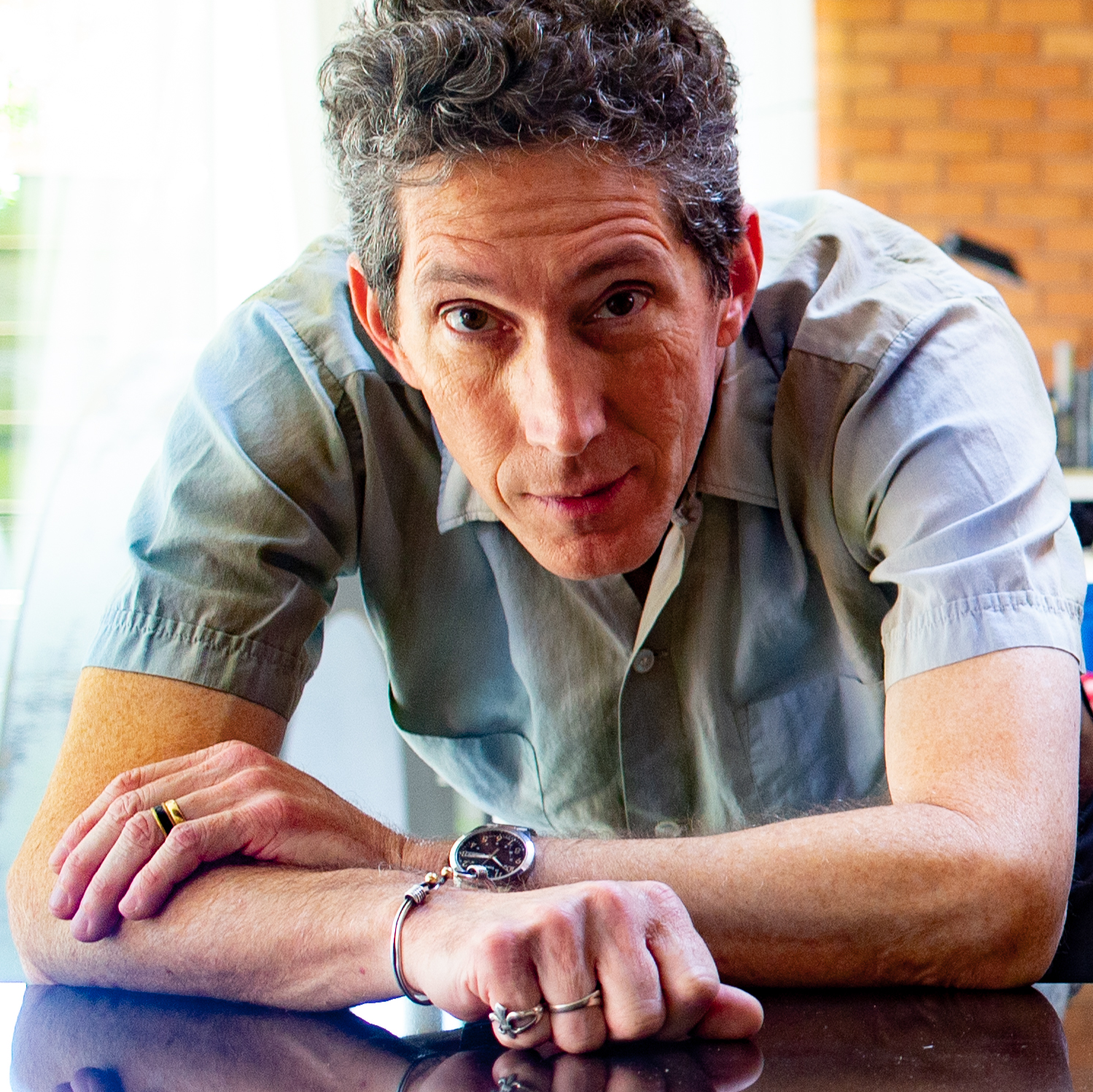
He's a legendary singer, songwriter, pianist, accordion player.
He was a founding member of the Sub Dudes as well as Little Queenie and the Percolators. Also Ron Cuccia and Jazz Poetry Group, one of my all time favorites as well.
His current band is the Grocery Story, based out of Fort Collins, Colorado. And he's in town tonight having played a big career retrospective show at Chicky Wawa last night.
I was honored to have been invited to play on that show. It went great. What a blast.
And he's. He's also in town being interviewed for a documentary on Tipitinas. It's. It's going to be. He's taping that. I don't know when that's going to come out, but sometime in the future, obviously. Anyway, we're going to get into all that and much more. Without further ado, to the great Mr. John Magni.
[00:11:41] Speaker B: Good evening, John.
[00:11:42] Speaker A: Yeah, man.
[00:11:44] Speaker B: I would like to start saying 63rd birthday, Manishev relay.
I hope that you enjoy it a whole lot. I didn't prepare the last one. Sure.
[00:11:57] Speaker A: That was a good start though. I like that. I could say the sentiment was. Was lost.
[00:12:01] Speaker C: That's got platinum all over it.
Not even gold. I'm talking platinum, right? Yeah.
Thank you.
[00:12:10] Speaker A: Sure. Well, welcome back to town, John. You lived here, you've lived here at times, but you've been living in back in Fort Collins for how many years now?
[00:12:21] Speaker B: Since 87.
[00:12:22] Speaker A: Wow, really?
[00:12:23] Speaker B: Yeah.
[00:12:23] Speaker A: Okay, so even when the sub dudes were, were active down here, you never lived here?
[00:12:29] Speaker B: No.
We started out here in March of 87 at Tipitinas.
[00:12:36] Speaker A: Right.
[00:12:36] Speaker B: But by September and October we had moved up to Colorado and I've been there ever since.
[00:12:42] Speaker A: Okay. Now I know you're, you're not originally from New Orleans, right? Yeah, yeah,
[00:12:50] Speaker C: that's Colorado.
Collins is Colorado.
[00:12:54] Speaker B: Colorado. Northern Colorado.
North of Denver, south of Cheyenne, Wyoming.
[00:13:00] Speaker A: Okay. Now, are you from that area?
[00:13:03] Speaker B: I am since Wayland. Like I was born in Abilene, Texas and then my parents moved up to Colorado, which was their home originally, and been there Until I.
Well, with a series of other places, but ended up in New Orleans.
[00:13:21] Speaker A: We'll get back to you. Let's start back there and we'll work our way back here.
So your family, what kind of their minors or something?
Oh, what kind of business?
[00:13:31] Speaker B: Okay. Both my mom and dad came from farm families.
[00:13:34] Speaker A: Okay.
[00:13:35] Speaker B: But my dad was the first guy off of the farm.
A Swedish farmers to go to college.
[00:13:44] Speaker C: Okay.
[00:13:44] Speaker B: And he went to. I don't know why you brought that mine up. Because he went to the Colorado School of Mines.
[00:13:50] Speaker A: You see, I have. I have a certain. You know, it's. Yeah, yeah.
[00:13:53] Speaker C: Mimes.
[00:13:55] Speaker B: Yes.
[00:13:56] Speaker A: No mine.
[00:13:57] Speaker B: There was much. It was not much talking.
[00:14:00] Speaker A: How much miming there.
[00:14:02] Speaker C: Is there a fort there still today of Fort Collins? Is there an army?
[00:14:06] Speaker B: No, there's. No, there isn't actually.
[00:14:09] Speaker C: But there once was, I suppose.
[00:14:11] Speaker B: Yeah. Like a lot of towns out there, they maybe like it as a fort,
[00:14:14] Speaker A: like a fort, like a. Like a. Like a army for it. Yeah, like a long time ago. Yeah. Back in the. In the western days, like frontier days.
[00:14:25] Speaker B: So like F Troop got together.
[00:14:26] Speaker A: Kind of like F Troop.
[00:14:28] Speaker B: Yeah. Huh. Right.
[00:14:30] Speaker A: That's a timely reference.
All of our listeners will know.
[00:14:34] Speaker B: Yeah. The white people had to have a center whereby they could slaughter everybody for their land from. You know, they were successful with that. They abandoned Ford.
[00:14:48] Speaker A: Okay, so. So your father went to mining college, but he was not a minor.
[00:14:54] Speaker B: He was a petroleum engineer.
[00:14:56] Speaker A: Okay, close. It's a. You know.
[00:14:57] Speaker B: Yeah, that's when we. Oh, actually that's why I was born in Texas, because he had to go down and work in the oil.
Oil mines.
[00:15:05] Speaker A: Sure. Oil business. Oil patch.
[00:15:07] Speaker B: Gas, yeah, yeah. Oil patch.
[00:15:10] Speaker C: Yeah, Oil fields.
[00:15:11] Speaker B: Oil fields, yes, they mold. Oil fields.
And so he. He worked. He had to work there for a while, but then he ended up being a petroleum engineer for Texaco in a, you know, building downtown Denver.
[00:15:25] Speaker A: Okay, nice.
[00:15:26] Speaker B: And then they had the eight kids.
[00:15:29] Speaker A: Eight. You have eight siblings or. Seven siblings?
[00:15:31] Speaker B: Yes, I do.
[00:15:32] Speaker A: Crazy man.
[00:15:33] Speaker B: That's from my mother's Catholic side.
[00:15:35] Speaker A: Sure.
[00:15:35] Speaker B: She controlled that.
[00:15:36] Speaker A: Sure. Yeah. Yeah. Well, they. All the ladies do control.
[00:15:39] Speaker C: She let it get out of control.
Right.
[00:15:43] Speaker A: I don't know, maybe that. Maybe it would have been bigger had she not.
[00:15:47] Speaker B: Right.
[00:15:47] Speaker C: I don't know.
[00:15:48] Speaker B: Yeah, true.
[00:15:49] Speaker A: Now.
[00:15:50] Speaker C: Now going more than mining, your dad.
[00:15:52] Speaker A: Sure, yeah. Yeah.
[00:15:54] Speaker B: He was a spelunker.
[00:15:55] Speaker C: Old dad's musical.
[00:15:58] Speaker B: My dad is actually very musical. Not. Not professionally, but actually. Okay.
My dad, who. Who's Bob and his brother Lloyd were a little kid. Oh, you couldn't Call them stars, but at like all the Grange hall parties.
[00:16:18] Speaker A: Yeah.
[00:16:18] Speaker B: As little kids, they would sing.
[00:16:21] Speaker A: Just the two of them singing.
[00:16:22] Speaker B: Just the two of them singing.
[00:16:23] Speaker A: Nice, nice.
So you had performance in your blood.
[00:16:27] Speaker C: I guess so.
[00:16:28] Speaker A: Now, where do you fall in the birth order?
[00:16:30] Speaker B: I'm second.
[00:16:31] Speaker A: Second. Okay.
[00:16:33] Speaker B: So I thought that, you know, birth control could have happened after that, but they went.
Had six more.
[00:16:39] Speaker A: Right, right.
[00:16:41] Speaker B: No, it's been great.
[00:16:42] Speaker C: It was.
[00:16:42] Speaker B: It was great growing it up in a house of. Of eight kids. Yeah, it was. It was pretty much fun.
[00:16:49] Speaker A: You're never lonely.
[00:16:50] Speaker B: That's right.
[00:16:50] Speaker A: Yeah.
[00:16:52] Speaker C: Now how many boys and girls?
[00:16:54] Speaker B: Four of each.
[00:16:54] Speaker C: Four of each.
[00:16:56] Speaker B: Older sister, she was first. Then a couple. Yeah, four.
[00:16:59] Speaker A: So you're the oldest boy?
[00:17:00] Speaker B: Yeah.
[00:17:01] Speaker A: Okay. Yeah, I'm the oldest boy. I'm the oldest child. But. And I.
[00:17:06] Speaker B: Of how many?
[00:17:06] Speaker A: Well, only three. And we're all so, so, so separated by years. I felt like each one of us was an only child, really. I was 6 years old before I had a sibling, so. So did you take to music like your father early on, were you?
[00:17:24] Speaker B: Very. From very early on, music was super important to me, but I. This is kind of weird. I did not do it professionally until I was 21. Huh.
[00:17:36] Speaker A: Okay.
[00:17:37] Speaker B: All the time growing up, I was. I was in the school band, played trumpet. I played guitar in my room all my teenage years.
And Rodied for my friends who had a band and just thought I couldn't do it for some reason.
[00:17:51] Speaker A: Huh.
[00:17:52] Speaker B: And I was going on a real academic path. I went through.
Well, I kept going to three different colleges, but I kept dropping out. And then I just decided, I'm just going to be a freaking musician, man. So.
[00:18:05] Speaker A: Okay, so. So you didn't even play in like high school bands or anything?
No, like, just for fun. Oh, okay. You were just observing and developing this
[00:18:16] Speaker B: idea in your head and working out every Beatles song that came on the radio. Because that was my era. So, you know, like from 63, 1963, as a.
I think that's when I first heard the Beatles. And then that. That evolved into, you know, psychedelic bands, Led Zeppelin.
It was just such a rich period.
[00:18:43] Speaker A: Sure.
[00:18:44] Speaker B: It was a real.
[00:18:45] Speaker C: I guess that was a scene there. There was a dc.
[00:18:49] Speaker B: I was actually. I actually grew up in Denver.
[00:18:52] Speaker C: Okay, but there's a scene there in Denver.
[00:18:54] Speaker B: Yes, there was. There was always. I don't know, there were always. There was always a lot of music.
Not much that you could call.
It's unique, original music. It seemed to. Like, we borrowed from California and we borrowed from New Orleans. And we borrowed from here.
[00:19:15] Speaker A: Chicago, maybe.
[00:19:16] Speaker C: Yes.
[00:19:16] Speaker B: Right, right, right.
[00:19:17] Speaker A: Kind of centrally located there.
[00:19:19] Speaker C: Yeah.
[00:19:21] Speaker A: Now, would bands be going through there that, that you on tour that you would get to see?
[00:19:26] Speaker B: Yeah. You saw a lot. Totally.
[00:19:27] Speaker A: Like, what kind of bands do you remember seeing that made an impression on you when you were a teenager, young person?
[00:19:32] Speaker B: Well, let's. I remember Aretha Franklin at Red Rocks very early on.
[00:19:39] Speaker C: Nice.
[00:19:40] Speaker B: I missed the Beatles playing there very early on.
[00:19:45] Speaker A: Okay.
[00:19:45] Speaker B: I don't know why right now.
[00:19:49] Speaker A: Now how do you wind up getting out of Denver?
[00:19:52] Speaker B: Denver. Well, okay, this is why Fort Collins? Because I went to a school in Fort Collins. It's called Colorado State University. Sure.
[00:20:00] Speaker A: Yeah.
[00:20:01] Speaker B: And there I. I really learned to drop out of school.
[00:20:05] Speaker A: Okay.
[00:20:06] Speaker B: Dropping. We. We ended up doing LSD almost every day. Sure. And it was actually a business for me.
[00:20:16] Speaker A: Yeah. Right on.
[00:20:18] Speaker B: And that just, you know, made school seem kind of dull. Yeah, yeah.
Needless.
[00:20:27] Speaker A: Yes. Superfluous and dull.
So.
[00:20:31] Speaker C: So.
[00:20:32] Speaker A: So you. You tripped your way out of school and.
[00:20:35] Speaker B: Yeah.
[00:20:35] Speaker A: And what did you do to occupy your time?
[00:20:37] Speaker B: Oh, well, yeah. And then that will just lead you.
[00:20:45] Speaker A: It doesn't.
[00:20:46] Speaker B: You don't have to think of anything.
[00:20:47] Speaker A: Doesn't pay much though. You know, you can't. Can't really put. Pay your rent with.
[00:20:50] Speaker B: Right.
[00:20:50] Speaker C: Well, if you're dealing, maybe.
[00:20:52] Speaker A: Okay, all right.
[00:20:53] Speaker B: That. Yeah.
[00:20:54] Speaker C: All right.
[00:20:54] Speaker A: I got you.
[00:20:56] Speaker B: I was. I really identified with being a hippie.
[00:20:59] Speaker C: Okay.
[00:21:00] Speaker B: That was just perfect for me.
[00:21:01] Speaker A: Yeah.
[00:21:02] Speaker B: Musically, you know, intellectually, even. Even bell. Bottomly.
[00:21:12] Speaker A: Now, how did you manage to. To not get caught up in the draft? The Vietnam draft?
[00:21:16] Speaker B: Oh, that's a good one. Okay. This is a good one. That.
Okay. You know something? That was a mixed blessing. Okay.
When I was young, I apparently had some form of polio that ate out part of my hip bone.
[00:21:35] Speaker A: Oh, wow.
[00:21:36] Speaker B: So I've always had a curvature of the spine.
[00:21:39] Speaker A: Oh, okay.
[00:21:40] Speaker B: And I, I. Scoliosis. Kept you out of scoliosis.
It did. It did. But I'm telling you, I was. I was gone if that didn't work. I was going to Canada. I was not.
[00:21:53] Speaker A: Oh, sure, sure.
[00:21:55] Speaker B: Vietnam War. Yeah, yeah. But a lot of. Of course, a lot of my friends did.
[00:22:00] Speaker A: Yeah.
[00:22:01] Speaker B: Unfortunately, that. That was a. That was a screwed up whole deal.
[00:22:05] Speaker A: Sure.
[00:22:06] Speaker B: Time for a lot of my friends.
[00:22:08] Speaker A: Oh, bet, man. Yeah.
[00:22:10] Speaker C: A lot of us now are thinking going to Canada, you know. Oh, this country's going.
[00:22:15] Speaker A: Yeah. I don't know if you're paying much attention to what's going on in Canada, but it's. Anyway, I'LL leave that for another time.
I'm not sure it would be a much of a refuge. Where do you go from? From Fort Collins. How long are you there? How do you. How do you wind up in New Orleans?
[00:22:30] Speaker B: Yeah, well, in Fort Collins. So that's when I just. At 20, when I just dove into being a musician, I decided piano was my deal and I would.
I had a goal of playing the piano for five hours a day.
[00:22:44] Speaker A: Okay.
[00:22:46] Speaker B: And so that's what I was doing. I was just doing little jobs, whatever I could do. I did lawn crew, anything, you know, to get by.
[00:22:56] Speaker A: Now, what kind of piano were you working on?
[00:22:58] Speaker B: I had a real piano in my house.
[00:23:00] Speaker A: No, I mean, what kind of. What styles were you pursuing?
[00:23:02] Speaker B: I was. I started doing the classic Han and piano exercises.
[00:23:08] Speaker A: I used to do those.
[00:23:09] Speaker C: Did you?
[00:23:09] Speaker A: Yeah, yeah. I went through the first.
I went through the first two books.
[00:23:14] Speaker B: Every key.
[00:23:15] Speaker A: Yeah, yeah, yeah, yeah.
[00:23:17] Speaker B: I still think that was just great.
[00:23:19] Speaker A: It's great for your independence, for your coordination. Just that's. And it teaches you repetition in music is how you really improve.
[00:23:30] Speaker B: That's right. And it's just like jogging or anything, you know, it just gets you in shape. Right, right.
[00:23:36] Speaker A: Okay. Okay. You're the first person to ever bring up the Hannon exercises.
[00:23:40] Speaker B: Yeah.
[00:23:41] Speaker A: You know, I brought them up before.
[00:23:42] Speaker C: Or jogging.
[00:23:44] Speaker A: Or jogging.
[00:23:45] Speaker B: Well, yeah.
[00:23:48] Speaker C: So.
[00:23:48] Speaker A: But. But then stylistically, are you into New Orleans?
[00:23:52] Speaker B: Stylistically, I was, yes.
Into New Orleans more than. Than anything. I always like the. The funky side of. Of everything. Even. Even psychedelic music.
[00:24:05] Speaker A: Yeah.
[00:24:06] Speaker B: And so what I did is when I decide. I moved back on down Denver from Fort Collins, an hour away, and went to a local college there for.
For music theory.
[00:24:18] Speaker A: Okay.
[00:24:19] Speaker B: And took it for a year, you know, taking Beethoven pieces and dissecting them and.
[00:24:26] Speaker A: Right. Analyzing them.
[00:24:28] Speaker B: Analyzing them and learning how the same rules, you know, apply to just any. Any music.
[00:24:37] Speaker A: Right.
[00:24:38] Speaker B: And of course, like, a Beethoven composition is much more complex and say, like your regular jazz standard or.
Or blues tune or something. Sure. But it's all the same. Like, he would use the two minor five to get into the next key. Right. And you can just do that with every key you. He would modulate around. Well, in. In jazz music, you're going to use that a lot.
[00:25:07] Speaker A: Yeah, yeah, yeah. A 25 can go to 2.5of a new key gets you to the new key.
[00:25:12] Speaker B: And basic things like you're gonna start. Well, probably you're not gonna necessarily start on the one, but you're always gonna end on that one chord and you're probably gonna have it at 5 chord before that. Right. And just this. I thought it was really a great education. I did it for a year and at the same time I was.
My, my first band was a blues band.
[00:25:39] Speaker A: Okay.
[00:25:40] Speaker B: And actually I was the harp player, blues harp player and singer.
And at the same time then I had got a electric piano. So I would work that in more and more.
[00:25:52] Speaker C: And, and what was the name of that band?
[00:25:54] Speaker B: It was called the Righteous Meatball Boogity Band.
That was from a zap comics.
[00:26:01] Speaker A: Yeah, yeah, yeah. I was going to say it sounds. What it was is hippie stuff.
[00:26:04] Speaker B: So Mr. Natural.
[00:26:06] Speaker A: Sure.
[00:26:07] Speaker B: You know, like the guru figure.
[00:26:09] Speaker A: Right, right, right.
[00:26:10] Speaker B: And he cooked up this meatball and he bounced it and whoever hit it would bounce on got enlightened.
[00:26:17] Speaker A: Ah.
[00:26:18] Speaker B: So that was our, that was our intention. Now when it got psychedelic, it was a.
[00:26:24] Speaker A: It was a psychedelic based.
[00:26:27] Speaker C: Of course that's when the LSD comes back into full.
[00:26:29] Speaker B: Oh yeah.
[00:26:31] Speaker A: Set him up for this.
[00:26:32] Speaker D: That's right.
[00:26:32] Speaker C: Meatballs.
[00:26:33] Speaker D: Yeah.
[00:26:34] Speaker B: Well and then of course then we. It just was shortened to Meatball with most everybody. So it didn't carry that, you know, heavy kind of connotation that.
[00:26:46] Speaker A: Right, right. It's still sounded like a hippie blues band name.
[00:26:51] Speaker B: Right.
[00:26:51] Speaker A: Meatball.
[00:26:52] Speaker C: Yeah.
[00:26:52] Speaker A: Yeah.
[00:26:53] Speaker C: So.
[00:26:54] Speaker A: So you guys are playing around Denver?
[00:26:56] Speaker B: Yeah, we started playing in Denver, just a funky little bar downtown.
And then we decided to move up to Steamboat Springs, Colorado because we were going up there to play. We're just starting to travel a little bit around the state and a friend of ours had a.
A ranch that he rented.
Abandoned ranch. Well, you know, it, it just. It had one ranch house and then a second kind of barn.
And so we decided that all of us in the band and wives and we ended up with like 14 dogs. We could all live there. And we did.
[00:27:45] Speaker C: Right.
[00:27:45] Speaker B: So we moved up to the mountains and that was, that was great because we could play at all the ski slopes. You know, Colorado, that's a big thing. The.
You got your whole winter season with. With ski slopes. Then you got a summer season with
[00:28:02] Speaker A: tourists and concerts all summer long on those ski slopes without know there's people set up. I mean the iguanas used to play that. I'm sure some dudes did for years. You know, they still have those series, you know, weekly things. So you guys were on the. The early side of that.
[00:28:19] Speaker C: Yeah.
[00:28:19] Speaker B: And at the same time being the hippie era, there were kids coming. It seemed like a lot of New York kids ended up moving to dropping
[00:28:28] Speaker A: out Area looking to fall into a
[00:28:30] Speaker B: commune, go live in a teepee.
[00:28:32] Speaker A: Right.
[00:28:33] Speaker C: You know, and so from this meatball band, aside from you, that, was there anyone else who was famous, who came out of that band?
[00:28:42] Speaker B: Well, let's see.
Famous, you know, or who kept with it all. Yeah. Yes. I would say not really. My guitar player kept playing through his life, but most the time it wasn't.
Definitely wasn't playing for a livelihood.
[00:29:03] Speaker C: Right.
[00:29:04] Speaker B: Like once a week at the blues jam or something, you know.
[00:29:07] Speaker A: So, so, so how do you get to New Orleans?
[00:29:10] Speaker C: Orleans.
[00:29:10] Speaker A: And, and, and meet ups? You know, like to start. Meet up with Lee and all that?
[00:29:16] Speaker B: Well, I tell you, when I was up there in, In Fort Collins, I was just. I. I got to where I was just learning piano from James Booker and Professor Longhair and Ray Charles.
[00:29:32] Speaker A: Okay.
[00:29:33] Speaker B: Those were my three teachers.
[00:29:35] Speaker A: Good choices.
[00:29:36] Speaker C: Yeah.
[00:29:36] Speaker B: Yeah. It was really cool because I had one of those record players that you could. That went down to 16 in a third or whatever.
So you put half speed, it'd be exactly an octave lower in the same key. The same key. Right. But a lot slower.
[00:29:53] Speaker C: Right.
[00:29:53] Speaker A: Nice.
[00:29:54] Speaker B: And my, My piece, which would be like my.
I don't know. My final exam is Big Chief.
[00:30:04] Speaker A: Okay.
[00:30:05] Speaker B: And when I first heard Professor Long Hair do it, I.
I didn't. I couldn't believe how he was doing that with just two hands.
[00:30:16] Speaker A: Yeah.
[00:30:16] Speaker B: Because I. I thought the part where you go.
I thought he must be doing that with two hands.
[00:30:22] Speaker A: Oh, yeah.
[00:30:22] Speaker B: And then I. I hear his bases going boom, boom, boom, boom, boom. Not even in time with the right thing, which I came to think was like a steel pan kind of.
[00:30:34] Speaker A: Okay.
[00:30:35] Speaker B: You know.
[00:30:37] Speaker A: Right, right.
[00:30:39] Speaker B: So that was. That was my piece and actually the song.
You know how you get different songs in your head? It's like the soundtrack for you.
Big Chief was just the soundtrack of my life.
[00:30:54] Speaker A: Okay. Nice.
[00:30:55] Speaker B: The. Everything about especially the groove, you know.
Right.
And so I just decided that I had to move to New Orleans.
[00:31:06] Speaker A: Okay. A pilgrimage of sorts.
[00:31:08] Speaker C: It was.
[00:31:08] Speaker B: Well, my band up there broke up.
We. We were up there in. In that Steamboat Springs area, actually a place called Oak Creek, Colorado.
We were there for just like a year and a half, but, you know, when you're young, it seems like a long time packed into.
[00:31:27] Speaker A: Sure.
[00:31:28] Speaker C: So you come down here?
[00:31:29] Speaker B: Yeah.
[00:31:30] Speaker C: What happens to all those dogs?
[00:31:35] Speaker B: I don't know.
[00:31:36] Speaker C: They.
[00:31:36] Speaker B: They ran away.
[00:31:37] Speaker C: You don't know.
[00:31:38] Speaker B: They would have got.
One of the ranchers around there came screaming up and into our driveway and his pickup truck says, I'm gonna shoot Them.
I don't know if you.
[00:31:49] Speaker A: You can.
[00:31:50] Speaker B: Dogs. Oh, okay.
If. If they get out of your yard again, so.
[00:31:55] Speaker A: Or they're going after his chickens or something.
[00:31:57] Speaker B: Yeah, yeah, yeah.
[00:31:59] Speaker A: Chicken. Killing dogs.
[00:32:01] Speaker B: And of course, we didn't. We didn't try to.
[00:32:03] Speaker C: Do you remember the names of those dogs?
[00:32:07] Speaker B: I don't. I can't say that I remember one name.
I didn't have a dog. Oh, but you're just everybody else, and they seemed like other people gave us one.
[00:32:18] Speaker C: Do you think you guys are so high.
Do you think you guys were so high on LSD that you thought you had dogs, but they were really your girlfriends?
[00:32:27] Speaker B: Well, that, you know, that makes a lot of sense.
[00:32:31] Speaker C: Okay.
[00:32:31] Speaker A: It's all falling.
[00:32:32] Speaker B: You know what I had. I had goats.
[00:32:34] Speaker C: Yeah.
[00:32:35] Speaker B: Yes. I really like goats.
[00:32:37] Speaker A: Goats are cool, man.
[00:32:38] Speaker B: They're very cool.
[00:32:39] Speaker A: They have a lovely disposition. They're, you know, they're affectionate.
[00:32:43] Speaker B: They are.
[00:32:44] Speaker A: They're calm.
[00:32:45] Speaker B: I got two goats. They're called Nubian. And they were beautiful goats. I got them from the.
A monastery up by Aspen. A Benedictine monastery.
[00:32:55] Speaker C: Oh, all right.
[00:32:57] Speaker B: Brought them back to the commune. And the dogs killed them.
[00:33:01] Speaker A: Oh, geez.
I didn't see that coming, man. I didn't see that coming.
[00:33:06] Speaker B: Manny really liked that.
[00:33:08] Speaker A: No. You surprised us both. I thought the goats could hold their. Their own with the dogs.
[00:33:12] Speaker B: I guess it took a. It took a while. Well, the 14 can kill them.
[00:33:16] Speaker A: The 14 dogs can gang up on them.
[00:33:18] Speaker B: You know, I used to sleep in the barn with that second goat after the first one got killed.
[00:33:24] Speaker A: Yeah. Just trying to protect him.
[00:33:27] Speaker C: Goat.
[00:33:27] Speaker A: Oh, geez.
They. They got him while you were asleep, though, huh?
[00:33:32] Speaker B: No, not that time. It's just that we would go. We had to go traveling.
[00:33:37] Speaker A: Sure, sure.
Can't be watching the dogs all the time.
[00:33:40] Speaker B: Yeah.
[00:33:41] Speaker C: Well, so goats are better than women because they don't talk back, right?
[00:33:46] Speaker B: No, not at all.
[00:33:51] Speaker A: Oh, man.
[00:33:52] Speaker C: Are you sure you're not on acid now?
[00:33:55] Speaker B: I'm. Well, there could be residual.
[00:33:58] Speaker A: Maybe you're having a flashback or just,
[00:34:01] Speaker C: you know, because I always thought acid was a great deal.
For five bucks, you could get a hit. Or two bucks, get a hit and have this great trip for 12 hours. Ten years later, you'll have a flash. Oh, yeah, yeah, yeah, yeah. So it pays off again, Giving it.
[00:34:18] Speaker B: Right, Right. Like royalty bonus content.
[00:34:21] Speaker C: Yeah, like royalties. Yeah, exactly. Yeah.
[00:34:26] Speaker A: Right. Yeah.
Right on. Well, so you make it down to New Orleans in. In search of. Of the Holy Grail of piano playing, and I understand that you actually wind up getting A study with. With both Booker and Professor Longhair.
[00:34:43] Speaker B: Yeah. That was one of the just. Just lucky confluences of my life because I had no idea.
[00:34:51] Speaker A: How do you wind up hooking up with those guys? Who.
[00:34:54] Speaker B: Yeah.
[00:34:55] Speaker A: When you get down here, who do you meet? Who introduces you to. To those.
[00:34:58] Speaker B: Well, okay, first of all, I just went looking for both of them, and it turned out that both of them had come out of, well, fast. Had actually just retired, okay. Playing piano at all, and was sweeping up a record shop, I heard, for like 10 years.
[00:35:18] Speaker A: Yeah.
[00:35:18] Speaker B: And the. Then he started. He was pulled back into playing by the same people that started up Tipitina's three or four years later. I got here in 74.
[00:35:30] Speaker A: And. And who. Who were that? Who was that?
[00:35:32] Speaker B: Well, they were called the Fabulous 14. And I know some of them. Elliot Stellings, Steve Armbruster. Steve Armbruster.
[00:35:44] Speaker A: I want to get him on the show.
[00:35:45] Speaker B: Yes.
[00:35:46] Speaker A: Yeah, yeah.
[00:35:47] Speaker B: And I can't remember too many.
[00:35:50] Speaker A: Sure, yeah, yeah.
[00:35:51] Speaker B: But.
[00:35:52] Speaker A: And was Quint Davis involved in.
[00:35:55] Speaker B: Davis involved? But I don't think he was one of the 14, right?
[00:35:58] Speaker A: No, I don't think so either. But he was involved with. He was Fess's manager for some period of time.
[00:36:03] Speaker B: Yeah, he was. Yeah. He was always a big music promoter. And actually, when I got down here, the jazz festival had happened, I think, since 71.
[00:36:15] Speaker A: Right.
[00:36:15] Speaker B: So there were three of them before I saw one in 74.
[00:36:20] Speaker A: So you got here in 74.
[00:36:21] Speaker B: Yeah.
[00:36:22] Speaker A: Okay.
[00:36:22] Speaker B: Right on. And I was actually thinking that it might not be a real hot time in New Orleans music because I All. What I knew mostly about New Orleans music was big explosion of rock and roll. You know, guys like Fats Domino and All of Alan, Two Saints, all of Allen, Two Saints hits.
[00:36:47] Speaker A: Right, Right.
[00:36:47] Speaker B: Yeah.
[00:36:48] Speaker D: Right.
[00:36:48] Speaker B: Huh.
And it turned out to be just a very rich stuff time.
[00:36:54] Speaker A: Okay.
[00:36:55] Speaker B: And I got. What was cool is. I don't know, I felt sort of forest gumpish or something with, like. I kept looking into different things, both on the black and the white side.
I was the only white member of Blackmail.
[00:37:13] Speaker A: Okay.
[00:37:13] Speaker B: Which is, you know, M A L E. Right. But it. Which is. Was these great guys. They were kind of like the Junior Meters. They were just a few years younger. It was Gerald Tillman, organ and vocals.
Really great. Like, he was actually kind of a child star around here. And then they had Renard Poche on guitar.
[00:37:37] Speaker A: Oh, yeah.
[00:37:37] Speaker B: Who went and played a lot with
[00:37:40] Speaker A: Dr. John and
[00:37:43] Speaker B: studio stuff.
[00:37:44] Speaker C: Yeah.
[00:37:45] Speaker B: And his brother Roger Pochet on bass. And then Newton Mossip Okay. On drums.
And they had got.
So I. I was. I got into the band, believe it or not, from a ad in the Times fic you. I don't know why they would advertise. Well, what is. They got a producer, a guy, a local guy wanted to produce a record on them.
So.
[00:38:12] Speaker C: Okay.
[00:38:12] Speaker B: Anyway, I ended up there. Gerald played Oregon, so. But they had a new thing at that time, which was the Clavinet. Sure, yeah, the Clavinet.
[00:38:21] Speaker C: Okay.
[00:38:22] Speaker A: The Honor Clavineth.
[00:38:23] Speaker B: It was a Hohner Claverness and also had a Rhodes. So I. I played those keyboards.
[00:38:31] Speaker A: Electric piano.
[00:38:31] Speaker B: Yeah.
And I didn't even play. I played baby. 4 or 5. 5 gigs with them all together. But the thing we did is we.
Gerald had written. Gerald's songwriter. He written. So we went up to Bogalusa at the studio in the country.
[00:38:50] Speaker A: Sure, yeah.
[00:38:51] Speaker B: And recorded these two songs.
[00:38:53] Speaker A: All right.
[00:38:54] Speaker B: And they actually got play on the. The two R B stations in town, WBOK and Wyoming lv.
[00:39:02] Speaker A: Right on.
[00:39:03] Speaker B: There was. Let's Get at it at it did it.
[00:39:08] Speaker A: Okay.
[00:39:09] Speaker B: And then there was Be for Real.
So that's. That was A and B sides.
[00:39:14] Speaker A: Oh, nice.
[00:39:15] Speaker B: And so I. I was kind of playing with them for about a year or so.
[00:39:21] Speaker A: Okay.
[00:39:23] Speaker B: A little more now. I remember we did Thel de Cluet's Wedding.
[00:39:28] Speaker A: Wow. No kidding.
[00:39:29] Speaker B: Yeah, I backed him on. He sang a song for you to his wife.
[00:39:34] Speaker A: Right, right, right. Leon Russell.
[00:39:36] Speaker B: Yeah, yeah, yeah, yeah, yeah.
So. And then what they did is they got me in, I don't know, maybe just kind of introduced to that neighborhood where the. The Nevilles live. But Deacon John, okay, so Deacon John was the guy that had the. The band. It backed everybody. Right.
[00:39:57] Speaker A: Deacon John and the Ivory.
[00:39:58] Speaker B: Deacon John and the Ivories. And I got on the Ivories.
[00:40:02] Speaker A: Oh, nice, nice. I didn't realize you were in that band. Okay.
[00:40:05] Speaker B: Well, I. Sometimes I hadn't mentioned that much, but it was huge for me because I'm sitting there, I'm back in Benny's Filming. Right. And Irma Thomas. Right. And all these songs that I had adored, you know, way back as a.
[00:40:20] Speaker A: Right.
[00:40:20] Speaker B: Teenager.
[00:40:21] Speaker A: You're playing it with the real people and they came.
[00:40:23] Speaker C: Yeah, yeah.
[00:40:23] Speaker A: You're playing with the real guys played on those records.
[00:40:26] Speaker C: Right.
[00:40:26] Speaker B: Lee Dorsey.
[00:40:28] Speaker A: Very cool.
[00:40:28] Speaker B: Yeah. So that was. That was really cool. And. But what also what was really happening right then was the Meters were probably at their best.
[00:40:38] Speaker C: They were.
[00:40:39] Speaker B: They were just amazing. And they were playing local club. They're playing Jeds.
[00:40:43] Speaker C: Yeah.
[00:40:43] Speaker B: You know, just small club clubs and and we would go there and just, you know, absorb every note that they played.
They were real improvisational.
[00:40:55] Speaker A: Yeah.
[00:40:55] Speaker B: They had a thing where they did not. They tried to do a little bit different groove or something. Every time they'd play a song.
[00:41:05] Speaker A: Oh, okay.
[00:41:06] Speaker B: They try to change it up because the records were.
[00:41:09] Speaker C: Were.
[00:41:09] Speaker A: Were very succinct and, and, and, and, you know, parted out organized. But. But even back then, they. They were kind of jammy when they would play live.
[00:41:19] Speaker B: Yeah, yeah, yeah. Just that New Orleans thing.
[00:41:22] Speaker C: They.
[00:41:23] Speaker A: Right, right.
[00:41:24] Speaker B: Got to. Got to improv.
[00:41:25] Speaker A: Right, right.
[00:41:27] Speaker B: And yeah, from what they told me. So Art Neville was, you know, he was kind of the visionary.
[00:41:32] Speaker A: Sure.
[00:41:33] Speaker B: And his idea for the meters was that all four instruments, guitar, bass keys and drums play as one drum set and just try to be just like. Was all about rhythms and inner interlocking little things that they all did, you know.
[00:41:53] Speaker A: Yeah. The cool thing about you listen to any of those records and there's very little rhythmic overlap. There's. There's like maybe in each bar, each instrument will have one or two, you know, accents or downbeats that they play with another person in the band. And then. Then they. They're. For the rest of it, they're doing something that nobody else is doing. But it. It fits together like a. Like a watch or. Like a Swiss watch or something.
[00:42:21] Speaker B: Yeah, yeah, yeah. And. And really big part of that, you know, as a bass player is George Porter.
[00:42:28] Speaker A: George is.
[00:42:29] Speaker B: Which to me, what he was about was what he didn't play the space. He was a total minimalist.
[00:42:36] Speaker A: Right.
[00:42:37] Speaker B: And would often not play that one that you expected to.
Instead, he'd play it on the two or, you know, but it was always way less notes than most players would use and that.
[00:42:52] Speaker A: And when. It's funny when people try to play that music, like a bar band or something tries to copy that music, they always play a whole bunch of stuff that is not on the record because they think. Their mind thinks that that's what's going on. If you really analyze, it's like he's not playing that. You know, it's playing something much, much simpler.
[00:43:14] Speaker B: Uhhuh.
[00:43:14] Speaker A: I mean, or. Or much not. It's not simple, but. But not as many notes, you know.
[00:43:20] Speaker B: Yeah, it's. It's. Well, and I think that's. It's true with any instrument that what you don't play is powerful, but it's more on the bass. Well, because the bass controls that groove.
[00:43:31] Speaker D: Right.
[00:43:32] Speaker B: You know, each spot.
[00:43:35] Speaker A: Right, right.
I think. Oh. Oh, yeah. It's It's. It's that time, man.
[00:43:39] Speaker C: Okay, listen, we're going to take a break. The troubled nation knows the drill. We'll be back with the Goat Whisperer in a second. Second. We'll be right back.
[00:43:46] Speaker B: I love it.
If I want will make me shout I go down and hit my squad I might buy a great big car Big cheap on feeling good me gonna do everything we could Big chief I
[00:44:31] Speaker D: got a job got my squad up
[00:44:34] Speaker B: on my side My flag boy he
[00:44:38] Speaker D: just went by My spy boy full fly before tribal heaven fall we gonna
[00:44:48] Speaker B: dance to the morning.
[00:45:17] Speaker A: And we're back.
Back with the birthday boy, Mr. Manny Chevrolet.
I am Renee Coleman, back with our guest, the great John Magni. Now, Manny, it is your birthday, and we have received some. You know, we got box. We got Bosco in a box a couple of weeks ago.
[00:45:34] Speaker B: Yeah.
[00:45:34] Speaker A: Today.
[00:45:35] Speaker C: From the Bosco Company.
[00:45:37] Speaker A: From the Bosco Company. From the factory. We have a box that's even bigger than that. It's much bigger.
[00:45:44] Speaker C: Is it addressed to us or to me?
[00:45:46] Speaker A: It's. It's addressed to you.
[00:45:48] Speaker C: Oh, no.
[00:45:49] Speaker A: So there's a card here. I'll read it to you. It says, thanks for your support. Support all these years and for your sustained cultural contributions. And it's from Red Vines, the Red Vine Company. Which is.
[00:46:03] Speaker C: Licorice, Right.
[00:46:03] Speaker A: Licorice company.
[00:46:04] Speaker C: Oh, my God.
[00:46:05] Speaker A: And it's from. It's from the. Now, last week, we were talking about Bosco and.
[00:46:11] Speaker C: Yeah.
[00:46:11] Speaker A: What other products does Bosco have? Are they. They must make something else. So this is. I'm just putting two and two together. I'm just surmising that this may be one of their other products. And they sent you two giant boxes.
[00:46:29] Speaker C: I don't know.
[00:46:29] Speaker A: It's got to be like £5.
[00:46:30] Speaker C: Oh, look it.
Pictures on it.
That's my picture. Troubled men.
[00:46:35] Speaker A: Oh, no. Look at that. Oh, wow.
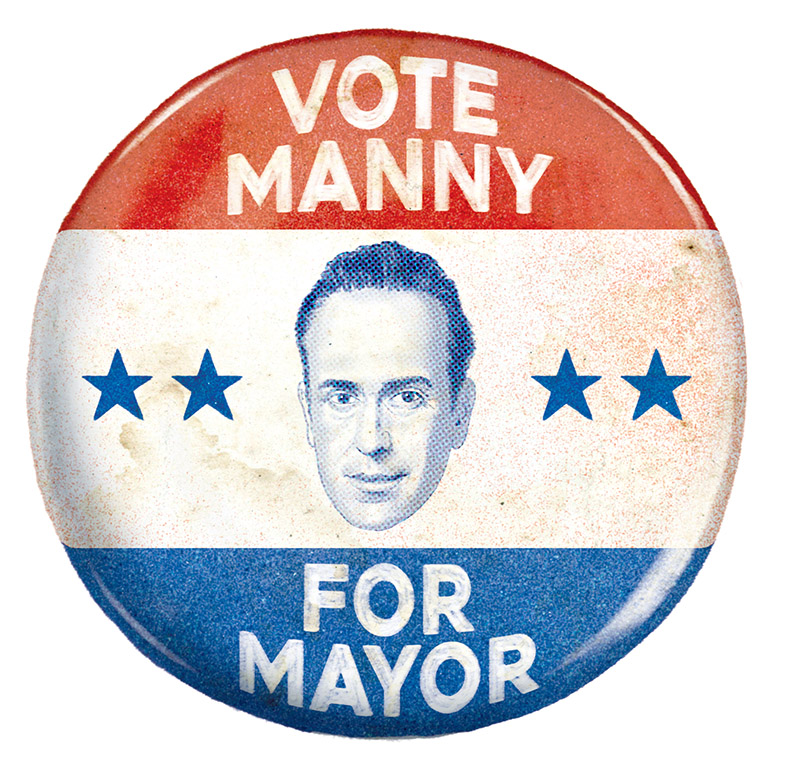
[00:46:40] Speaker C: That's my campaign button.
[00:46:42] Speaker A: Troubled men. Red Vines.
[00:46:43] Speaker C: Wow. Oh, my God.
Look at that.
[00:46:47] Speaker A: Oh, wow.
[00:46:48] Speaker C: And there's two of them.
[00:46:49] Speaker A: There's two of them.
[00:46:51] Speaker B: Yeah, yeah.
[00:46:52] Speaker C: Licorice for all my friends.
[00:46:54] Speaker A: Yeah, man.
[00:46:55] Speaker C: Wow.
[00:46:55] Speaker B: Gotta be a thousand licorice stickers.
[00:46:58] Speaker C: Oh, my God.
What is the. It's gotta be. If it's from New Jersey.
[00:47:02] Speaker A: It's not, though, because I looked at it. That's why it foxed me out. It's from somewhere in California. It's.
[00:47:08] Speaker C: Oh, my God.
This is insanity.
[00:47:12] Speaker A: Yeah, yeah. It's.
I have to look at the.
[00:47:15] Speaker C: We don't have time. Yeah, yeah, yeah.
[00:47:17] Speaker A: I'll get. We'll get down to it. But yeah. And this came New Jersey came to Manny Chevrolet care of Trouble Men Podcast
[00:47:24] Speaker C: to Snake to wait to open them UPS.
[00:47:30] Speaker A: It's FedEx.
[00:47:31] Speaker C: Okay. So, yeah, Dave called me yesterday and said that the day from the clampire. Said that they tried to drop off a package. Package. But no one was here because of
[00:47:41] Speaker A: course, you know, we've had that happen before and it didn't turn out so good.
[00:47:45] Speaker C: Yeah, exactly.
[00:47:47] Speaker A: Can you come pick it up at the FedEx?
[00:47:49] Speaker C: Yeah, yeah, I know.
[00:47:51] Speaker A: Yeah.
[00:47:53] Speaker C: Year of diversion for that.
[00:47:55] Speaker A: Turned out a lot different.
[00:47:56] Speaker C: Yeah, yeah, exactly.
[00:47:58] Speaker B: Well, look at this.
[00:47:59] Speaker C: This is insanity. We're gonna have to. I'm gonna have to research this more.
[00:48:02] Speaker A: Yeah, yeah.
[00:48:03] Speaker C: This is crazy. Going nuts.
[00:48:05] Speaker A: I know, I know, know. I know.
[00:48:06] Speaker C: I just can't believe my pictures on here.
[00:48:09] Speaker A: Right on the label.
[00:48:10] Speaker C: Yeah.
It says Trouble Red Vines, Troubled, Troubled men.
[00:48:15] Speaker A: Yeah, yeah.
[00:48:16] Speaker C: Look at that. New Orleans Trouble man. It's got a cut. Look at that. This is a cocktail glass.
There's.
[00:48:23] Speaker A: When they have the, the trouble.
The logo there, the lightning bolts.
[00:48:28] Speaker C: And they got all the nutritional facts for this licorice. Right?
[00:48:31] Speaker D: It's.
[00:48:32] Speaker B: It's amazing. How would they have known in the factory where they make all this?
[00:48:37] Speaker C: This is insanity.
[00:48:38] Speaker A: Well, you know, apparently we're the Troubleman podcast.
[00:48:41] Speaker C: We're big in Serbia, though.
[00:48:42] Speaker A: Yeah, yeah, we're. We're getting some penetration here, as we like to say.
[00:48:46] Speaker C: Oh, my God. We got. Well, you gotta take a picture of it.
[00:48:49] Speaker A: Oh, yeah, yeah, yeah, yeah, yeah.
[00:48:51] Speaker C: Oh, definitely. All right, well, that's great. Thank you. Red Vines.
[00:48:55] Speaker A: Yes, yes.
[00:48:56] Speaker C: I've always been a. You know, I used to love Red Vines as a kid. Cuz you'd bite both ends off and you would sip your soda. Oh, yeah, with the, with the, with the, with the, with the Red Vines straw.
[00:49:06] Speaker A: You might have mentioned Red Vines at some point. Maybe they're really digging into the Troubleman podcast. I don't know. But.
[00:49:13] Speaker C: But you know, it's not signed by anybody. It's beautiful print, right? Whoever wrote this card, it's beautiful print.
[00:49:19] Speaker A: But it's on Red vine stationary.
[00:49:21] Speaker C: It is on Red vine stationary.
Wow, this is getting big.
[00:49:25] Speaker A: I know, I know, I know.
That's a great birthday present.
[00:49:29] Speaker C: Yeah, thank you, Red Vines. Keep them coming.
[00:49:32] Speaker A: And you know, the, the Troubleman podcast is a listener supported operation and we do have the, the PayPal and Venmo links in the show notes of every show. We also have the Patreon links. We have the Troubleman Podcast T shirt links. If you're Going to give those for holiday gifts. You should jump on that now. Also, follow us on social media, Instagram, Facebook and rate, review and subscribe to the podcast wherever you're listening to it. Give us five stars. Cost you. Nothing helps us a lot. And you know, I'll be out, you know, playing around different places still. Back at the. The Carousel Bar with the iguanas every Sunday from 7 to 10. The beautiful hotel Montley on Royal street and the French Quarter, New Orleans. And that's enough of that. Back to our guest, the great Mr. John Magni. So when last, when last we left you, John, you were talking about you're playing with the band here, but I want to get to you the beginning of Little Queenie and the Percolator. So I know just to kind of skip ahead, you and Lee meet and you're playing as a duo at Tipatinas.
[00:50:41] Speaker B: Yeah, go on. And, and actually before Tipitina's open, which I think is early 1977, okay. It was called the 501 Club, right. It operated for maybe a year before that. And it was the same people, yeah, that fabulous faux team whose aim was to give all the old R B people, especially festival, a place to play.
[00:51:08] Speaker A: Right.
[00:51:09] Speaker B: And I always thought that their pure intention of that just their, their musical support was what it made, what made it a great club. Yeah. Because what happened is that like me and Little Queenie and bands like the Radiators and stuff, we were drawing on the old traditions of those people and, and writing, doing original music with it. Right.
[00:51:38] Speaker A: In that style.
[00:51:39] Speaker B: Yeah, yeah, yeah, yeah, yeah. So me and Lee actually. Clark Vreeland.
[00:51:44] Speaker A: Clark Vreeland, yes.
[00:51:46] Speaker B: Told Lee to go check me out because she was, you know, we're just this incredible songstress and she had been backing herself on guitar, but she wanted to grow her fingers, fingernails real long.
[00:51:59] Speaker A: Okay.
[00:51:59] Speaker B: So she didn't know how to play guitar anymore.
[00:52:02] Speaker A: Right.
[00:52:02] Speaker B: Because you know Lee, okay. When I first got to know her, she was still living at. In Metairie at her parents house.
[00:52:10] Speaker A: Okay.
[00:52:11] Speaker B: And I guess she was 19 then.
And. But six months before I saw her then she was a, like a Joni Mitchell folk singing, guitar playing girl with long blonde hair.
[00:52:24] Speaker A: Right, Right.
[00:52:25] Speaker B: But she had just changed her style to where she dyed her hair bright red.
[00:52:32] Speaker A: Right.
[00:52:33] Speaker B: Shaved off her eyebrows at the pixie cut kind of. Yeah. And then it grew real long fingernails, real bright, brightly colored fingernails. So she didn't want, she wanted to be a lead singer and I wanted to back up a great singer. She was just Great. From the first time that I met her, you know.
[00:52:52] Speaker A: Yeah.
[00:52:54] Speaker B: So we started as a duo and. And. And at the 501 Club and into Tipitina.
And while we were there, then we built up a band. We had got bass player and drummer. Bass player John Mer and drummer Alan Pakara.
And Lee was really a jazz head. You know, she. She always. That was her ultimate goal, was to be a great jazz singer. But I was more of a. I was more of a bar room player. So we kind of melded together with that. I like rock and roll and RV and stuff, so I pushed that side of it, so that's kind of what we're doing. But we started. It was sort of like a piano trio, but then we all always had a sax player.
And being in New Orleans, if you can get great sax players there, many of them.
[00:53:49] Speaker C: Who did you get?
[00:53:51] Speaker B: We got Earl Turbinson.
[00:53:53] Speaker A: Oh, holy cow.
[00:53:54] Speaker D: Yeah.
[00:53:55] Speaker B: We got Freddie Camp, who played with Fats Domino.
[00:53:59] Speaker A: Yeah, man.
[00:54:01] Speaker B: Just.
Yeah, just. Actually, we. We kind of had them satisfied, fair, maybe different. Every gig. Right.
[00:54:08] Speaker A: Rotating.
[00:54:08] Speaker B: And that was cool because they didn't have to learn anything, right? Just.
[00:54:12] Speaker A: Just play on top.
[00:54:14] Speaker B: Play a solo, play along, you know.
[00:54:16] Speaker C: Right.
[00:54:17] Speaker B: And then. Okay, so we went up where there was. There was a guy who went to Tulane here. His name was Michael Reinert.
[00:54:26] Speaker C: Okay.
[00:54:27] Speaker B: He became a music lawyer person and stuff. But when he. So as happens, he graduated from Tulane, and then he went back up to New York City. But he got us up there in New York City, played a place called Kenny's Castaways, which is down in the Village.
[00:54:48] Speaker A: Right.
[00:54:49] Speaker B: And we. We actually are.
Freddie Kemp was supposed to go with this, but couldn't make it at the last minute. Okay. So we went up there and. And we got a guy. The guy who played for Blood, Sweat Tears, his name was Fred Lipschiss, came down and sat in with us, and we just had.
By then, we kind of had our repertoire together.
And you were right in songs with Lee, y'.
[00:55:23] Speaker C: All.
[00:55:23] Speaker B: Yeah, yeah. We're always writing songs. And then we. We would take other old songs and interpret. Sure. You know, because she likes. Sing like Bessie Smith songs, you know, along with. We did like let's Spend the Night Together by the Stones. Just, you know, whatever seems fun.
[00:55:44] Speaker A: When I was a kid, I was too young to be seeing y' all at that time, but I was already hearing about the. The legend of this band, you know, and so anyway, I just insert myself in. You go ahead.
[00:55:58] Speaker B: Well, it was confusing because there was really a lot of Talent there mainly because of Lee, you know, little Queenie. And so we, we did this gig and it really had a great time. Gig at Kenny's Cathay. And the New York Times music writer, his name was John Rockwell.
[00:56:21] Speaker A: Okay.
[00:56:22] Speaker B: He wrote this, he. This glorious review of us and mainly Queenie.
And this will show you where Lee was at. He told her, he said she, she could be the next Janis Joplin. And she's like, I don't want that.
[00:56:39] Speaker A: That. Yeah, yeah, yeah.
Turned her nose up at that.
[00:56:43] Speaker C: Turning 27 too when that article came out, right?
[00:56:46] Speaker B: Huh? Yeah, I don't know. Yeah, but. Okay, I don't want to dwell on this part too much, but it, it sort of speaks to why it didn't last.
[00:56:58] Speaker A: Okay.
[00:56:59] Speaker B: Is that. Then we decided, we came back to New Orleans, we decided we're going to go full out R B review type band.
[00:57:08] Speaker A: Right.
[00:57:09] Speaker B: And we had a. We decided we'll have guitar. We had Emily Remmeler for a little bit.
[00:57:14] Speaker A: Yes, Emily Remmer, who. Yeah, a fantastic jazz player. But could such a lyrical player could play anything. I mean. So I played at that time before she joined your band. I was. She was playing in my father's band as a sub for Steve Mazachowski.
[00:57:32] Speaker B: Really.
[00:57:32] Speaker C: And.
[00:57:33] Speaker A: Oh yeah, and then she was playing in a band that I was in like a, when I was in high school, a. Like a wedding band, you know, Carrie Bouquet and the Townsman. It was a, it was a, a trumpet player and a three piece rhythm section. And at that time she was. It was just the guitar, guitar, bass, drums. And I played so many gigs. Well, I was studying with Matt Zakowski at the time and when he brought her down, so I knew her from being Steve's girlfriend. And then she. I played all the these gigs with her and I was still studying with Steve.
[00:58:02] Speaker B: Oh, well then you know. You know Emily Rimmeler. Yeah.
[00:58:06] Speaker A: And so I remember when she got into your band, you know, and, and, and yeah, incredible man. She was able for a while. Go ahead, go ahead.
[00:58:14] Speaker B: No, I was gonna ask you. So your dad was a musician?
[00:58:16] Speaker A: Yeah, my father, saxophone player, band leader, singer, you know, had. Had a lot of people when they first got to town. He had uh. Uh. So Ricky Sebastian, I know you know him because he was Lee's boyfriend at one time.
[00:58:29] Speaker B: Yeah.
[00:58:29] Speaker A: When he got to town, my father hired him as a drummer and he played my father's band for, you know, a good long time. Mazikowski played my father's band for a good long time.
Oh, that's all kind of people went through. Through that band, you know. And so I was the band boy before I started playing. And yeah, I. That's how I got together.
[00:58:52] Speaker B: I kind of say you're almost a generation behind me, so.
[00:58:56] Speaker A: Yeah, yeah, yeah, exactly. Yeah. But anyway, so I was aware of. Of your band from, you know. Yeah, Emily.
[00:59:02] Speaker B: Yeah.
[00:59:04] Speaker A: In that band. And then when Emily I guess got. Got hired away by the great guitars or something, she went out on the road and that's when Tommy Malone takes her place. Right.
[00:59:14] Speaker B: There was another person in between that was Sonny Landreth.
[00:59:18] Speaker A: Oh really?
[00:59:18] Speaker B: Believe it or not.
[00:59:19] Speaker C: Oh, I didn't realize.
[00:59:21] Speaker B: Lasted for maybe three months at the most.
[00:59:25] Speaker A: Wow.
[00:59:25] Speaker C: Right.
[00:59:25] Speaker B: Yeah. So then, then we got Tommy Malone, you know, real incredible guitar player, singer and. And expanded from just having a random sax player to having trombone and sax and then having horror charts.
[00:59:43] Speaker A: Right.
[00:59:44] Speaker B: And so we, at this time it was like we had started a buzz in New York.
[00:59:53] Speaker A: Okay.
[00:59:53] Speaker B: With the, with the record people.
[00:59:55] Speaker C: And you're stationed in New York now?
[00:59:57] Speaker B: No, no, you're not at all.
[00:59:58] Speaker C: Just that article.
[00:59:59] Speaker B: That article got a typical New Orleans bands that makes an article about. Oh, the article.
It was the New York Times.
[01:00:08] Speaker C: It gave the buzz.
[01:00:09] Speaker B: Yes.
[01:00:10] Speaker C: So everyone wanted you to come out there.
[01:00:12] Speaker B: Yeah. And there was a new place that opened. It's called the 80s and it was. Cuz it was in 80 or maybe it was late 79, but it must have been 80. Okay, okay.
We.
We went up there. I'm going to be brief about this, but yeah, there was a room full of record company companies, A and R people waiting to see what this was.
And my girl Lee snorted something in the back room that she thought was just a line of coke.
[01:00:48] Speaker A: Huh. It was not.
[01:00:50] Speaker B: Turned out to be something sure. Stronger to where when we did our little intro tune when she came out, she went to grab to the mic stand to be able to stand up and was just horrible. Oh man. And that blue. It wasn't only that. I mean we didn't get a. A deal but the guy, John Rockwell actually made a retraction in the New York Times.
[01:01:20] Speaker A: Oh geez.
[01:01:21] Speaker C: God.
[01:01:21] Speaker B: So when we went to fail, we were, we were epic about it.
[01:01:25] Speaker C: We didn't.
[01:01:25] Speaker B: We didn't mess around. Then we had this band together. I'm going to go back to now over to the Ron C and jazz poetry.
[01:01:33] Speaker A: Yes, yes.
[01:01:34] Speaker B: Because that involved this song, My Doll in New Orleans. Right.
[01:01:40] Speaker A: Great song.
[01:01:40] Speaker B: At the same time that we were. The percolators was kind of building and all that was going on.
We got into the jazz rocker Cheers was a really great New Orleans poet, and he started playing gigs where he had Ramsey McLean on bass, right. And Charles Neville on sax.
And at first they were just reacting to his poetry, you know, but then as it went on, some of the lyrics developed into songs.
So it'd be kind. It was cool because it would go along, be real beatnik jazz, but then it would, like, burst into a little song for a minute, you know?
And the song that just became more and more strong was this song, My Darling New Orleans.
And what's. What's really great about it is what's got a great groove, you know, Second line, sure. New Orleans groove.
But his description of New Orleans is just the best. He just. The.
All the images, great images of New Orleans and in. In.
In the lingo, right? I mean, just to say my doll in New Orleans, just to rhyme that. That's. That's. That indicates what it was, right? Right.
[01:03:06] Speaker A: It had all the iconic images sprawling.
[01:03:09] Speaker B: My sprawling hometown, my prowling hometown. You know, frog legs dance on Dixie kegs. You know, just jazz bands and ceiling fans playing Mardi Gras in my ear.
And then it had the. The riverboats, the old folks. But then it got a little political, like the politicians done gone fishing Left my city up for grabs, Right? Now the pockets gonna skyrocket Getting fatter than the crabs.
[01:03:46] Speaker A: Right, right. Yeah, yeah, yeah. The word play is great. Now, that's a band I saw a lot. The jazz poetry band.
[01:03:52] Speaker B: That's right. You were hip to that even as a teenager.
[01:03:55] Speaker A: So when I was in high school, because y' all would play a lot of even like, municipal basketball gigs, daytime stuff, and also club gigs. But I was. I was old enough to be getting into clubs. Underage. But, you know, and so I saw that band a whole lot, man.
[01:04:11] Speaker C: Yeah.
[01:04:12] Speaker B: And.
[01:04:12] Speaker A: And it was so cool because it was. I mean, I remember things where Ron would be, like, taking suggestions from the crowd of a subject of.
And the band would improvise behind him, freestyling poetry on top of the stuff, man. But the band was very cool. The band was swinging. I remember seeing you guys at, like, the Contemporary Art Center. That's when CC would have gigs, you know, down. They had a theater downstairs, you know,
[01:04:40] Speaker B: and the guy that you mentioned earlier, Ricky Sebastian. Ricky Sebastian was our drummer, right. And actually how it happened is Ricky and Lee Harris were going together at the time.
And so Ricky got in. He got Lee, and then Lee got me in.
And this song, My Doll in New Orleans, that at the same time, we had Built up the band to be like R B band. So we go and made a.
What. What? Their. Their jazz improvisational piece.
We formed it up into a radio single.
Right, right. You know, try to tighten it up.
[01:05:23] Speaker C: Right.
[01:05:24] Speaker B: And got. Yeah. All the horn charts. And so I had recorded it that way and.
Oh, yeah, you said it's okay to say things like this. Once again, paid. Paid for by drugs.
[01:05:40] Speaker A: Okay.
[01:05:41] Speaker B: Our Lee's boyfriend. Then the next one was Frank Quintini.
[01:05:48] Speaker A: Oh, I know Frank Quintini. Sure.
[01:05:51] Speaker B: Okay. This may be an aside. I need to find Frank.
[01:05:56] Speaker A: I'm not sure if he's. If he's. Is he still.
[01:05:59] Speaker B: Well, no, he's dead. But I'm sorry.
Luck finding him in this song. Now going to be using the tip of Tina's movie.
Me and Frank are the only ones that own the recorded copy.
[01:06:17] Speaker A: Oh, okay.
[01:06:19] Speaker B: So anyway. Okay. I should have got to that later, but that's all right.
[01:06:23] Speaker C: And Lee's gone too, right?
[01:06:25] Speaker B: Yes. So of the people involved with that, the three writers, Ron Kuchia, Charles Neville and Ramsey Penn, clean. Only Rams is alive. Right. And of the side that produce, which would be Lee and Frank and me, only I'm still going. Right, right.
[01:06:46] Speaker C: Well, after this show, we.
[01:06:48] Speaker A: Yeah, yeah. Ramsey's still somewhere. I think Ramsay's still across town. He's. He shows up at Rams.
[01:06:55] Speaker B: Ramsy just called me a few minutes ago.
[01:06:57] Speaker A: All right, well, you can't. Can't get rid of that guy.
No, I love.
I love Ramsey.
[01:07:04] Speaker B: Yeah.
[01:07:06] Speaker A: He keeps a low profile around town.
[01:07:08] Speaker B: Yeah, yeah. Oh, he never goes out of his house.
[01:07:11] Speaker A: Right. I know. I said. Last time I saw him was at a funeral, and I hadn't seen him before that for 20 years.
[01:07:17] Speaker B: Right, right. Yeah.
[01:07:18] Speaker A: But so. So, so we're kind of. Kind of getting towards the end here.
[01:07:26] Speaker B: Okay. I wanted to, if you. You don't mind, continue about this thing, about this song. My darling New Orleans. My darling New Orleans. Right.
It has been getting a little bit more attention over the years to where you could call it a New Orleans staple.
[01:07:41] Speaker A: It was. To me, it was an instant classic.
[01:07:44] Speaker B: Yeah.
[01:07:45] Speaker A: Because it had all the musical elements and it had all the im. The. The imagery, the lyrics.
[01:07:51] Speaker B: Yes. And. And, But. And in more than that, found its voice in Lee Harris. Right.
[01:07:56] Speaker A: Yes.
[01:07:57] Speaker B: The local YAT girl that could. But they were like literate and did crossword.
The New York Times crossword and pen. You know, like that. Sure, sure. And she knew all. She read all the poetry and stuff, so she was very articulate. Right. And still raunchy. You know? Yes, like a New Orleans girl.
[01:08:18] Speaker A: Right, right.
[01:08:19] Speaker B: She delivered it perfectly.
And now I have. There's a movie going about Tipitinas and in talking about the song as I am now, you know, raving about what a jam it is, the producer of the documentary, John McHugh, is going to make it kind of the feature song.
[01:08:45] Speaker A: Nice. Yeah, nice, man.
[01:08:48] Speaker B: And that's why I'm trying. I got to find the estates of Frank with titty and Italy Easy.
[01:08:57] Speaker A: Right, right, right.
[01:08:58] Speaker B: And then the writing side is taking care of, you know, Ramsay, Charles and Ron. Right, right, right.
[01:09:05] Speaker C: But so is this documentary being made as we speak, or is it planned well?
[01:09:12] Speaker B: Oh, it's, it's.
[01:09:13] Speaker C: Or is it in the can, as they say?
[01:09:15] Speaker B: It's not quite in the can. I think it's probably 90 in the can.
[01:09:20] Speaker C: Okay.
[01:09:20] Speaker B: And this guy is bona fide. He is John McHugh. He did.
[01:09:24] Speaker A: Yeah, I know that name.
[01:09:25] Speaker B: He did. Well, he went.
[01:09:27] Speaker C: There was a John wayne movie called McHugh Now. Yeah, detective. Oh, I do hardcore Detective in the early 70s. 70s, right.
[01:09:36] Speaker D: I remember.
[01:09:36] Speaker B: I bet it wasn't Mech.
[01:09:38] Speaker C: I think Lalo Shiffrin did the music.
[01:09:40] Speaker A: I bet you're right.
[01:09:41] Speaker C: Yeah.
[01:09:42] Speaker A: McHugh, Manny knows about movies, yeah?
[01:09:45] Speaker B: Oh, yeah.
[01:09:45] Speaker A: He knows about movie soundtracks too.
[01:09:49] Speaker C: Yeah.
[01:09:49] Speaker B: Oh, well, that's what, that's what Jonathan McHugh did and he told me some of the movies he did the other day. You should look him up. He's. It's, that's all big time stuff, Matthew. Like MH u G H mc Hugh.
[01:10:07] Speaker C: Oh, okay, okay, right, right. Like Hugh Grant.
[01:10:11] Speaker A: Right?
[01:10:11] Speaker B: Exactly. Yeah.
[01:10:12] Speaker C: Was the stupidest guy I've ever met in my life.
[01:10:15] Speaker A: You know, he's made a lot of bad decisions.
[01:10:17] Speaker C: Made a lot of bad decisions.
[01:10:19] Speaker A: That guy, for a good looking guy, made a lot of bad decisions.
[01:10:23] Speaker C: Real bad.
[01:10:25] Speaker A: We don't know to go. We don't have enough time to go into all of that.
[01:10:28] Speaker C: Okay.
[01:10:28] Speaker A: But, but so, so it's the, the, the film is, is nearly completed and.
[01:10:34] Speaker B: Yes.
[01:10:35] Speaker A: And they're gonna, they're gonna feature My Darling New Orleans.
[01:10:38] Speaker C: Yeah.
[01:10:39] Speaker A: In the film. That's, that's fantastic.
[01:10:41] Speaker B: Yeah, it really is.
[01:10:42] Speaker C: And what's next for you?
[01:10:44] Speaker B: You did a gig last night for me.
[01:10:46] Speaker A: Well, let me, let me.
[01:10:48] Speaker C: Okay, go ahead.
[01:10:49] Speaker A: So, so you came back to New Orleans. You, you haven't played here in many years, as far as I know.
You know, we, we, we'd see you out there in, in Colorado when the Iguanas would play out there. So we, we played with Your band at different times. Three twins, you know, even. Even played with you when the. When the Sub dudes reformed. Playing out on the road with y' all and. And, you know, so. I've never left you, John. I've. You.
[01:11:16] Speaker B: I know.
[01:11:17] Speaker A: I've always been right there.
[01:11:19] Speaker B: I know that's right, but.
[01:11:22] Speaker C: Because he needs a paycheck.
[01:11:25] Speaker A: It's fellowship is what drives me.
And the music.
The. The fellowship is second. The music is first. And I'm such a fan of your play and your songwriting. You're singing just your whole vibe, man.
[01:11:39] Speaker B: And I've always thought you were like a reincarnate, reincarnated beatnik. Okay, remind me.
[01:11:46] Speaker A: Beat Nick. Right on. I'll take it.
[01:11:48] Speaker B: I like it.
[01:11:49] Speaker A: So we ran into each other in. In Fort Collins when the Iguanas played there at the end of our last tour.
You came to see us.
You were just visiting. We said, well, John, you have your accordion. You said, no, I didn't bring it in. And we said, well, but you're coming from a gig, so you have it in the car, right? You said, yeah. And your wife. Your wife goes, I told him to bring it in, John. Go get your fucking accordion. So you did, you came, you sat in with us for the. For late at night.
And then we did Woolly Bully after that. It was a huge hit. You brought down the house, you know, local guy and, you know, sitting in with us, and you. You said something so sweet. You turned around after. After the first tune, you turned, got on the mic and you said, you know, I hope you guys. To the arts. I hope you guys appreciate what a spot sexy rhythm section this is right here.
Sexiest rhythm sections ever. He didn't mean the way we look either. He meant the way we play. But as a result of that, you. I. I asked you about coming to New Orleans and doing this podcast, and you said, well, actually, I'm coming to. To do this. This interview, and maybe I'm going to do a gig at Chicki Wawa. Then that. If that evolved, then you called me, you're texting me saying, hey, would you play on this gig at Chicki Wawa with me?
[01:13:07] Speaker B: Yeah.
[01:13:07] Speaker A: So we did that gig last night. It was a huge success. Totally packed out on a Monday night. Now, everybody that heard about that gig or saw that gig was like, well, I hope John will do more of these, like, at least once a year or something. You can. Or twice a year you can come down and I see. Yeah, okay, good, good, good.
[01:13:30] Speaker B: And. And some of these things just happened, like I felt like I was pulled down here.
[01:13:35] Speaker A: Yes.
[01:13:35] Speaker B: And that's why I haven't played much. Not because I. I actually have visited here kind of once yearly. But last time I came, I didn't. Didn't play. And then the time before that, we did a little Queenie thing down at the George Wein Building.
[01:13:53] Speaker A: Okay.
[01:13:53] Speaker B: And I think the time before that, I was. Was doing Spencer Warren's memorial set right. At the Jazz Fest.
[01:14:00] Speaker A: Okay.
[01:14:01] Speaker B: And just kind of haven't had that pull, you know? And now, yes, it was, well, the tip of Tina's movie. Well, I'll. I'll line up a Chicky Wawas, which became the real reason, you know, and
[01:14:15] Speaker A: you could feel it last night, man, Last. I mean, that was a triumph.
[01:14:19] Speaker B: Reminded of just the love of music that New Orleans people have, right? The audience that they're like listeners. They're like.
That's their life.
[01:14:31] Speaker A: Yes, yes, yes.
[01:14:33] Speaker B: Committed listeners.
[01:14:34] Speaker A: Right. And, man, it brought them out last night, man, for them to see you. People are like, almost in tears, you know, just at the. At the.
[01:14:42] Speaker B: Me too.
[01:14:43] Speaker A: The joy of. Of yes. Still goes on.
[01:14:47] Speaker B: A real joyful thing. Yeah, for sure. Yeah. Wow.
[01:14:51] Speaker A: Well, you know, John, we didn't even get into the sub dudes, but, you know, we'll come back next time.
[01:14:57] Speaker B: We'll do that next one.
[01:14:58] Speaker A: Yeah, yeah, yeah, yeah, yeah, yeah.
[01:15:00] Speaker B: Well, man, can I just tell a quick story about.
[01:15:02] Speaker A: Yeah, yeah, we got all the time. For sure. Yeah, go ahead.
[01:15:05] Speaker B: It's just so funny. Like I say, everything.
The best things that ever happened to me were accidental, you know, not what I planned, but we were doing. We. We had also originally had the name the Continental Drifters.
[01:15:22] Speaker A: Huh.
[01:15:23] Speaker B: Which also came from Clark Freeland. Clark Freeland came up. That name.
[01:15:27] Speaker A: He's an idea guy, Clark, man, He's
[01:15:29] Speaker B: a fertile mind, huh? Yeah.
[01:15:31] Speaker A: Yeah.
[01:15:31] Speaker B: So the version we had, we were playing at Jimmy's, and it was me and Tommy Malone and Johnny Allen was sort of like our lead shouter. Call him a singer, but.
And then we had Damon Shea on drums.
Yeah, yeah, yeah.
[01:15:51] Speaker A: It's the rhythm section, right.
[01:15:52] Speaker B: And when we had played this song. But meanwhile, me and Tommy and Johnny had been writing songs together, but they were all based on singing and harmonies.
And so we played this set. Now I come back and I. I go to my wife's, who is still my wife, and, you know, like, oh, what do you think, man? What do you think? She said, well, you guys might have some good songs, but you play so damn loud, we can't hear if you do or not.
So me and Tommy went up to the bar, have, have, you know, drinking that, talking about it, and we're saying we should just go do a gig where we just play in a real subdued way.
And so that name came out and. And then I had a piano night just a few days later.
So at that gig, I just brought an accordion instead of my keyboard bank, you know, And Tommy was on acoustic guitar, and Johnny Allen was on acoustic guitar.
[01:16:59] Speaker C: Okay.
[01:17:00] Speaker B: And Steve brought this tambourine.
[01:17:02] Speaker A: Steve Amade.
[01:17:03] Speaker B: Steve Amade brought this tambourine, and he had, for some reason, got a wooden spatula from his landlady. So he's got this, like, tambourine with a head on it.
And he went in and put it on the microphone, and Sunny Schneider was doing the sound at the time. For some reason, this mic had a whole bunch of bass on it.
[01:17:29] Speaker C: Uhhuh.
[01:17:29] Speaker B: So Steve hit that little tambourine, you know, this side went boom and sounded huge.
[01:17:37] Speaker D: You.
[01:17:37] Speaker B: He could just. You could just see it coming together. And then he started, like, playing this boogie woogie pattern on his.
On the skin by. Just by. Well, one hand was tighten it up.
[01:17:48] Speaker A: Right.
[01:17:49] Speaker B: The other was hitting it. So it's like
[01:17:53] Speaker A: using his thumb to put tension on the head.
[01:17:55] Speaker B: Right? Yeah, exactly.
[01:17:56] Speaker A: Right.
[01:17:57] Speaker B: And that was like the blueprint was just born there. Right? Because. Oh. So we did the gig and everybody said that's the. Because we can hear your songs. We can hear your harmonies, hear all the vocals.
[01:18:09] Speaker A: Right?
[01:18:10] Speaker B: Yeah, man. So that's. That's where it started, man.
[01:18:14] Speaker A: What a. What a. What a kismet. They would say, you know, what a moment of grace. Moment of, you know, divine intervention.
[01:18:23] Speaker B: Yeah, yeah, yeah.
[01:18:25] Speaker A: Just good luck.
[01:18:26] Speaker B: Yeah, Right.
[01:18:27] Speaker C: Timing's everything.
[01:18:29] Speaker A: Timing is everything.
[01:18:29] Speaker C: You know, we've run out of time now.
[01:18:31] Speaker B: Yes. So we've got to say good day. That was a blast.
[01:18:35] Speaker C: That was a great show.
[01:18:36] Speaker A: So fun. So fun. We'll do it again, man. You'll come back to New Orleans and then play and we'll do another Drake, and hopefully I prove myself, you know, useful.
[01:18:45] Speaker C: Oh.
[01:18:46] Speaker B: Oh, hell yeah. No, last night was just so I, I, I couldn't come back.
[01:18:51] Speaker C: Bring some blotter sheets. Okay.
All right. Thank you very much.
[01:18:55] Speaker B: Okay. Thank you, man.
[01:18:57] Speaker A: John, as always on the. Thank you, man. As always on the Trouble Men podcast, we like to say trouble never ends,
[01:19:03] Speaker C: but, you know, the struggle continues. Good night and happy birthday, Matt.
[01:19:10] Speaker D: My darling New Orleans, My brawlin hometown your magnolia melancholy how it softly set me down in corner bars on streetcars Get a bike on river sound?
The big oaks, the old folks?
There's a must be hanging down?
My darling? New Orleans, my burling hometown?
Your kind of uncle Lion? You set me free to play the clown?
On patios?
In my funky clothes?
Sa.
My sprawling hometown? Money forces stop resources? How it often gets me down on politicians?
Dunk on fishing?
Left my city up for grabs and out of pocket?
Gonna skyrocket?
Get brighter than the cr?
We not dance? We not dance?
Oh, my darling, the wallet?
We're driving home, talking side walking? Lift my feet off the ground?
Frog legs?
Dance on Dixie cakes?
Love your sweetheart? Watermelon ace to kiss?
I'm in corruption? Blair, your mood just a swelling?
Yeah, yeah.