Episode Transcript
[00:00:15] Speaker A: Greetings, troubled listeners. Welcome to the Troubled Men podcast. I am Renee Coleman, sitting once again in Snake and Jake's Christmas Club Lounge in the heart of the Clempire with my co host, the original trouble man for troubled times, Mr. Manny Chevrolet.
Welcome, Manny.
[00:00:33] Speaker B: Thank you, man.
[00:00:36] Speaker A: Loud here.
[00:00:37] Speaker B: Yeah, it just got pretty loud here. And I dig it. I dig it.
[00:00:41] Speaker A: Okay.
[00:00:41] Speaker B: And we can do this.
[00:00:43] Speaker A: Okay.
[00:00:44] Speaker B: Under a heavy metal concert floor. We can do this show.
[00:00:49] Speaker A: Oh, holy cow.
[00:00:50] Speaker B: It's all right.
[00:00:51] Speaker A: It's one thing and one thing after another.
[00:00:53] Speaker B: So.
[00:00:54] Speaker A: So, Manny, what'd you do on your summer vacation? We coming back from a break. We were gone for about six weeks or so.
[00:01:00] Speaker B: I did absolutely nothing.
[00:01:02] Speaker A: Okay.
[00:01:02] Speaker B: Which I like to do.
[00:01:04] Speaker A: Sure, sure.
[00:01:04] Speaker B: But I did notice, you know, when I was just lying there in bed, perfectly still, watching a moth dying the lamp, I noticed if you. At our age, if you lay down perfectly still or lie down, I don't know what. What's the proper way to say it? Oh, come on, Renee. All right, all right. We just started here. I know you love this rock and roll.
[00:01:26] Speaker A: The music is going up and down. It's driving me crazy, man. I got so much going on here.
[00:01:30] Speaker B: Jesus Christ.
[00:01:31] Speaker A: Look at. Look how I'm shaking, man.
[00:01:32] Speaker B: You're shaking.
You're shaking me. Okay, calm down.
[00:01:35] Speaker C: Shaking all over.
[00:01:37] Speaker B: You're shaking and bacon. All right, you're doing something.
[00:01:40] Speaker A: Go ahead now.
[00:01:41] Speaker B: Anyway, if you lie down. Yeah, yeah, yeah.
[00:01:43] Speaker A: Lay down. Lie down.
[00:01:44] Speaker B: I don't know, for a certain amount of time.
[00:01:46] Speaker D: Lie down.
[00:01:47] Speaker B: Lie down.
[00:01:47] Speaker C: Is it lie down or lay down something down. We're professional writers.
[00:01:51] Speaker A: Well, I know, that's why I figured it's asking the right people.
[00:01:53] Speaker B: Okay, all right.
[00:01:55] Speaker A: Yes.
[00:01:58] Speaker B: Anyway, I don't know how old you people are, but I'm an old man. And I realized when I was lying down perfectly still, no pillows, just flat on my bed after about five, six minutes, you could feel the parts of your body living, you know, Then you can also feel the parts dying.
[00:02:20] Speaker A: Really?
[00:02:20] Speaker B: Yeah.
And it's kind of a scary but cool thing, you know, I realized that the right side of my body is dying. Left side's fine.
[00:02:30] Speaker A: I was gonna ask you which. Which parts were which.
[00:02:33] Speaker B: You know, the right side, I could feel, like, muscle spasms in my legs and sharp pains.
[00:02:40] Speaker C: Sharp pain. It's usually not divided that way.
[00:02:43] Speaker B: Sharp pains.
[00:02:44] Speaker D: I'm no doctor, but I think you're describing a stroke.
[00:02:48] Speaker B: I just had my annual physical just a couple days ago.
[00:02:52] Speaker D: You can have strokes after physicals?
[00:02:54] Speaker B: Yeah, no, I. You.
[00:02:56] Speaker A: I had.
[00:02:56] Speaker B: I Just saw him. So all this stuff and happened before.
[00:02:58] Speaker A: Oh, okay, okay. He. He said, as usual, he said, the staff physician, he said, keep doing what you're doing.
[00:03:06] Speaker B: And he told me to tell you something.
[00:03:07] Speaker A: Okay, what's up?
[00:03:08] Speaker B: Off.
[00:03:08] Speaker A: He said, don't believe that.
[00:03:11] Speaker B: Told me to tell you that.
[00:03:12] Speaker A: Well, you know, I noticed the last few years, you know, he doesn't want to put his hands on me. Just wants to be friends now. So, you know, it's, it's all blood work and, and that's it.
[00:03:21] Speaker B: And I asked, talk, talk, talk. I said, why don't you want to put your hands on Renee anymore? And he says it's all blood work.
[00:03:28] Speaker A: Yeah.
[00:03:28] Speaker B: You know, they don't need to go up there anymore.
[00:03:30] Speaker D: Sure.
[00:03:30] Speaker A: Well, you know, I just like.
[00:03:31] Speaker B: Because I knew you like the two fingers.
[00:03:33] Speaker A: Well, no, you know, I like. I like when they press on your abdomen. You know, I guess he still does that, you know, I feel your liver and all that, you know.
[00:03:40] Speaker B: Right.
[00:03:41] Speaker A: You know, my, my. My father in law was a physician before they had, you know, modern diagnostic things. And he was a nephrologist, you know, kidney doctor. And he was explaining to me all the things that. All the diagnostic procedures they could do without having like a CAT scan or something. You know, they could just.
[00:04:02] Speaker C: They just like poke you in the
[00:04:04] Speaker A: can, insert like a. They do like a needle biopsy or they do. They could even test like the, the makeup, the, the. The density of the kidneys just with a, with a needle coming from outside. Crazy. Anyway, modern medicine has progressed greatly, so.
[00:04:20] Speaker B: Yeah, I guess they, that's what they told Andy Kaufman.
[00:04:23] Speaker E: Sure.
[00:04:23] Speaker A: Sure.
That was tough. That was tough.
[00:04:26] Speaker B: Well, so, so school's back. Yeah, school is back.
[00:04:30] Speaker A: You're back at school.
[00:04:32] Speaker B: Well, I've, I never left school. It's just. The brats are back.
[00:04:34] Speaker A: Right, right. The brats are back.
[00:04:35] Speaker B: See them all here?
[00:04:36] Speaker A: Oh yeah.
[00:04:37] Speaker B: There's a lot of them here right now.
[00:04:38] Speaker A: A new crop of mush minded young, scary.
[00:04:44] Speaker D: It's bleak.
[00:04:45] Speaker B: It's bleak.
[00:04:45] Speaker C: Are you molding them like clay?
[00:04:48] Speaker B: I try. I just look at them and stare. What the is wrong with you? There's got to be something wrong with you. You know, that's the first day.
That's every first week. Yeah.
First week into the second week and the freshman class, you know, they. I, I don't know. I could go on and on about it, but we've talked about it over the years.
[00:05:09] Speaker A: I've covered this.
[00:05:10] Speaker B: Yeah, we talked about.
You were on your tour.
[00:05:12] Speaker A: I was out on tour. I Was out.
[00:05:14] Speaker B: Where did you go first?
[00:05:15] Speaker A: I was out on a tour with the Iguanas for two weeks and, like, started off in Tucson, then went to Santa Fe and all through Colorado.
Really beautiful country. You know, I love the desert for short, brief periods and, yeah, Tucson, it was like 106 degrees in the shade.
You know, I stayed in my room until the sun went down. It was still, you know, still like, you know, 98 degrees at night. But played a beautiful former Benedictine church that had been converted into like a 200 seat theater kind of thing. Sold out.
Tremendous.
All those shows were great. You know, we hadn't been out there in a long time, but it was great to get back there now. You know, you always talk about how I say on. I talk about gigs. They're all great. They're all great. Well, we play. Played one in Colorado Springs that was not great.
We drove all day to get there, Got there just in time for a sound check, Did a sound check, pushed our stuff to the back. The opening band did a sound check. They started playing. We went over to the lodge area and got some food. We're eating, listened to the band. Way in the distance, and I'm looking over the mountains. I can see rain over at the mountains. I'm like, hmm, looks like rain over there. Then the rain is getting closer. Then it starts to sprinkle where we are. Then it starts to really, really pound the rain. Then the wind comes up. We have to move inside to get out from under the veranda there, eating our food. Well, in the end, there was so much rain. They had a video monitor that was up next to the portable stage that they set out there on the sand, right on this lake. And the sand liquefied. The feet that the video monitor was sitting on sunk down into the sand. And then a big wind gust blew the whole thing over. It was like 10 by 12ft, smashed into a thousand pieces.
All the.
[00:07:21] Speaker B: It was your video monitor?
[00:07:23] Speaker A: No, no, no. It was there. You know, part of the production with the gig.
[00:07:27] Speaker C: Was that like quicksand? Is that how quicksand works?
[00:07:29] Speaker A: Well, I don't know. I mean, this was just regular sand. But I mean, it got quicker. It got quick. Yeah, it quickened. It quickened? Yes, there was a quickening, as they say.
And anyway, the whole gig got canceled. We just had to go over there and pick up a check.
So, you know, the guy was like, I bet this is the easiest money you ever made. And we thought, no, we had to get our equipment out and set up. And now I Have to go dry out all the merch and all of our equipment. One time years ago, we got. We played the. The Texas State Fair, and it got rained out before we even arrived. So all we had to do was show up, pick up the check, get back in the car and drive away. Anyway, so that was a. That was a washout. But.
[00:08:11] Speaker D: But the worse the experience, the better the story.
[00:08:14] Speaker A: Okay, well, all right. Yeah, yeah. And all the. All the rest of the gigs went great. Finished up in Fort Collins, Colorado.
[00:08:21] Speaker B: John, man, Magny, you did the whole, like, Midwest, West.
[00:08:25] Speaker A: Well, it was all just. It was all Colorado. It was all western, you know, mountains and. And, you know, we're in, so.
[00:08:30] Speaker B: And you called this tour the Brokeback Mountain Tour, didn't you?
[00:08:34] Speaker A: Well, we didn't, but maybe we can call it that now.
[00:08:36] Speaker C: That sounds very romantic.
[00:08:38] Speaker A: Sure. Yeah.
[00:08:38] Speaker B: You know, I've never seen those guys.
[00:08:40] Speaker A: Never seen that movie.
[00:08:42] Speaker B: Yeah, I went and saw it once. I thought it was a Western.
[00:08:44] Speaker A: Yeah, you know, it kind of was.
[00:08:47] Speaker B: It was a western, but, you know, then all of a sudden, it's like two guys, you know, in love with each other. Right. You know, last. You know, but, you know, the last thing I want to see is a big. Going through an.
[00:08:59] Speaker A: But did they actually show that?
[00:09:00] Speaker B: No, but why not if they're gonna make them gay, you know, just go all the way.
[00:09:05] Speaker A: Well, I don't know. You know, that's a. That's a different. Different format, I think. You know, I mean, I'm sure. I'm sure there's. There's a takeoff on that.
[00:09:13] Speaker D: There's ways to see that, Manny.
[00:09:14] Speaker A: Yeah, yeah, yeah, yeah, yeah, yeah, yeah.
[00:09:16] Speaker B: Well, you would know. I don't know.
[00:09:17] Speaker C: Cowboy is probably pretty gay in a good way.
[00:09:20] Speaker A: You know, being out there in the range. I'm sure the original cowboys, you know, there was. There was some fraternal love.
[00:09:27] Speaker C: Things that bring men close together.
[00:09:28] Speaker A: Sure, sure, sure.
And then I finished that in. In Fort Collins, Colorado. Flew out of Denver the. The following day and met Sunny Landreth band up in.
[00:09:39] Speaker B: Now, who is Sonny Landreth?
[00:09:41] Speaker A: Sonny Landreth is a great zydeco slide guitar player from Laughing.
[00:09:45] Speaker B: Now. When you fly to a gig, do you have to bring your drum sets in the overhead compartments?
[00:09:51] Speaker A: Well, this was just me flying myself by myself to go meet Sonny. And I had my base. I have a case that I can check as luggage.
[00:09:58] Speaker B: Oh, okay. Where do you keep it, under your seat?
[00:10:01] Speaker A: Well, you know, I check it as luggage. So you put it under the plane?
[00:10:04] Speaker B: Aren't you Worried about the baggage handlers.
[00:10:07] Speaker A: You know, the case is well designed to where it could take a lot of throwing. It can take a lot of throwing. Yeah, because it's one of these cases, like, they. They have real heavy cases that, you know, you could jump up and down on them, but they have so much weight, if it falls over, I think that's a lot of shock to the instrument. So I use one. It's a different style. It's like a nylon case that has just kind of foam core. Weighs almost nothing without the bass in it. So it's all padding. You know, you could really throw that across the room, and it wouldn't hurt the bass.
[00:10:39] Speaker C: If you were a cowboy, could you carry it across the country on a horse?
[00:10:42] Speaker D: Are you trying to bring this back to the cowboy conversation?
[00:10:44] Speaker C: Back to cow,
[00:10:47] Speaker A: you know? Well, me being a cowboy is the first dicey proposition there, because I would not be a cowboy.
[00:10:54] Speaker B: He'd be a cowgirl.
[00:10:55] Speaker A: Yeah, sure.
[00:10:56] Speaker D: You know, trivia question. Why did Brokeback Mountain stop the New Yorker from ever doing a Hurricane Katrina cover?
[00:11:04] Speaker A: Okay, well, we're gonna. We're just gonna have to have you tell us.
[00:11:08] Speaker B: I don't know, Alex, tell us for 500. What.
[00:11:11] Speaker C: What is.
[00:11:12] Speaker D: True story. That's when it was the week that Dick Cheney shot his friend. And they made a Brokeback mounted cover of Dick Cheney and his friend.
[00:11:19] Speaker B: Oh, geez.
[00:11:20] Speaker D: And they took off William Joyce's Katrina cover to do it.
[00:11:23] Speaker C: I feel so torn, because that's really funny, but obviously, like, that gives short shrift to, like, the major tragedy of my lifetime. Besides.
[00:11:34] Speaker B: Sure, sure.
[00:11:34] Speaker A: Well, so far.
[00:11:35] Speaker C: So be fair.
[00:11:37] Speaker D: We're just starting.
[00:11:38] Speaker B: Yeah, yeah, yeah. Tonight is young.
[00:11:40] Speaker A: That's right.
[00:11:40] Speaker D: Oh, my God. I almost had the same idea that Manny did.
[00:11:43] Speaker A: Okay, well, great minds, you know. Well, so as I did have a interesting thing we played in Portland, Oregon. I haven't been in Portland in years.
And so I get to Portland. I think we're kind of a nice area, like the old town Portland, you know, hipster area. And I think, well, okay, let me see. Where. Where.
[00:12:03] Speaker C: Where.
[00:12:03] Speaker A: How close is the dispensary? So there's four. Just. There's two dispensaries within four, 400ft of my hotel. So I pick one, I start walking to it. On the way There, in those 400ft, I passed two different sets of two people sitting in an alcove, both shooting up dope.
And. And I started to realize, oh, anytime you see two people sitting next to each other in an alcove, they're always looking down at their knees. You know, they're not quite shooting up yet. They're just doing, you know, all the cooking up bit.
[00:12:33] Speaker B: So why were you going to the dispensary?
To get some heroin?
[00:12:36] Speaker A: To get some weed, you know.
[00:12:39] Speaker B: You still smoke weed?
[00:12:40] Speaker A: I'd.
[00:12:40] Speaker B: Sure, sure.
[00:12:41] Speaker A: I got, like, a few dog walkers, you know, the short pre rolls and. And a. A vape cartridge.
[00:12:51] Speaker B: Wow.
[00:12:52] Speaker D: So they combine Oregon wine.
[00:12:54] Speaker B: Now you're able to bring that on a plane product.
[00:12:56] Speaker A: Yeah, yeah. They don't care about any of that stuff on planes anymore.
[00:12:59] Speaker B: They don't care.
[00:13:01] Speaker A: Well, so what else. What else is going on?
I don't know. Well, you know, while. While we were gone. I don't know if you want to talk about this, the whole Lindsay Clancy thing. Have you.
[00:13:12] Speaker B: I don't know who that is.
[00:13:13] Speaker A: The woman that strangled her three kids.
[00:13:16] Speaker C: Oh, yeah, I followed that.
There was a mistrial.
[00:13:22] Speaker A: It was a hung jury.
Now, you weren't one of those people killed three children?
No, no, no, no, no. That were. Now, so the, you know, the idea that she killed her kids, that happens. You know, but the crazy part was all the people across the country, women across the country, doing videos of themselves strangling their kids, holding their kids and having messages like, same Lindsey. Hashtag, same Lindsay. Like, I know where you're coming from. It's like, really, really good. Everybody wants to kill their kids. They're just. I haven't.
[00:13:57] Speaker B: At one time or another. Haven't you wanted to fucking beat the shit?
[00:14:01] Speaker A: Absolutely not.
[00:14:02] Speaker B: Really?
[00:14:02] Speaker A: No. No, no, no.
[00:14:04] Speaker B: Okay.
[00:14:05] Speaker C: The Lindsay Clancy defense attorney was masterful in just showing people how to be compassionate about postpartum psychosis, which is something that is not well explored and understood.
[00:14:17] Speaker B: I totally agree.
[00:14:19] Speaker A: Okay, well, surprising take from the.
[00:14:22] Speaker B: The.
[00:14:22] Speaker A: The Troubled Men podcast.
Guest and host here.
[00:14:28] Speaker C: So sympathy between the troubled. Right.
[00:14:30] Speaker A: Well, you know, I guess there's. There's room for a variety of opinions.
[00:14:34] Speaker B: Yeah.
[00:14:35] Speaker A: Some people.
To kill their kids.
[00:14:37] Speaker B: Well, Perry Farrell said. Didn't Perry Farrell say, I don't have
[00:14:40] Speaker A: to do one of them?
[00:14:41] Speaker B: You know, some people should die. That's what.
[00:14:43] Speaker A: I guess everybody's somebody's kid, so. Sure.
[00:14:46] Speaker B: Okay.
[00:14:46] Speaker A: I get your. I get your logic.
[00:14:48] Speaker C: There's a Bunny Matthews cartoon from the era of the first Lollapalooza, where Mistress of the Segway.
Yeah, he quotes. No, I just remembered it because I was looking at it recently.
[00:14:58] Speaker B: Save your bunny stories until we introduce.
[00:15:00] Speaker A: Well, you can tell it. Can tell it now, Germaine. Yeah, sure. Yeah.
[00:15:04] Speaker C: He quotes Perry Farrell saying, I'm going to hire Elvis Costello to play so everyone can see how fat he is.
Okay, now that is just very bunny. It takes something incredibly rude and makes it a non sequitur about famous people and puts it in a cartoon. And it's offensive on multiple levels. And it's kind of funny.
[00:15:23] Speaker D: I was thinking that that kid killing segue brought me back to our old friend Chris Rose's story. I love my kids butt. Right? He had a play or a one man show or something with that title.
[00:15:34] Speaker A: Okay.
[00:15:34] Speaker C: Did Chris Rose kill any of his children?
[00:15:36] Speaker B: No.
[00:15:37] Speaker D: No.
[00:15:37] Speaker B: Did he have any children?
[00:15:38] Speaker A: Oh, yeah.
[00:15:39] Speaker D: Lots of great kids.
[00:15:41] Speaker B: Really? He's out. He's out in the woods wondering what.
[00:15:44] Speaker C: Who.
[00:15:44] Speaker B: Who the hell he is right now in the trailer going, you know. Anyway, what else is going on?
[00:15:52] Speaker A: What else is going on?
[00:15:53] Speaker B: Did you hear about Washboard Chaz getting robbed?
[00:15:55] Speaker A: No.
[00:15:56] Speaker C: No.
[00:15:56] Speaker B: You didn't hear about this?
[00:15:57] Speaker C: No.
[00:15:58] Speaker B: Oh, it's on. You can see it on. He was playing some club to. You know, the only black guy in the club playing to a bunch of old white people. And his. Someone some. Some black kid runs up and stands teals his tip jar.
[00:16:11] Speaker A: Oh, geez.
[00:16:12] Speaker B: You know, and of course, they had a gofundme for him. He had about 8 bucks in tips and they had to go fund me for him. But, you know, we'll get the money to Chaz. You know, he's a good guy.
[00:16:21] Speaker A: Chaz is a good guy.
[00:16:22] Speaker C: A beautiful Siberian husky in silver. It's a lovely dog.
[00:16:27] Speaker B: Really. Okay, okay.
[00:16:29] Speaker D: Who else has a beautiful Siberian husky? Alison.
[00:16:33] Speaker A: Oh, okay.
[00:16:33] Speaker B: All right. Is this weather hot for them?
[00:16:37] Speaker C: So actually, Manny, the Siberian husky operates like a thermos.
[00:16:41] Speaker B: Really.
[00:16:42] Speaker C: The double coat helps keep them warm in the winter, but also cool in the summer because there's something going on between the two levels. Layers of fur that regulates their body temperature. So your average Siberian husky is actually cooler in New Orleans in August than a pit bull or a Chihuahua.
[00:17:00] Speaker B: I could care less. I don't like animals.
[00:17:02] Speaker C: Siberian.
[00:17:03] Speaker D: Can you connect that to Brokeback Mountain?
[00:17:05] Speaker C: Yeah.
[00:17:06] Speaker A: Right on.
[00:17:06] Speaker B: Or Clancy. Lindsay Clancy glad she didn't have a dog.
[00:17:12] Speaker A: Okay. That would have upset you if she. If she'd hurt the dog. That would have bothered me.
[00:17:17] Speaker C: You know, I have. I have my limits.
[00:17:19] Speaker B: Okay, you have fish.
[00:17:23] Speaker C: Fish? I. No, I have no fish por.
[00:17:27] Speaker B: Chaz. You got Rob. Yeah.
[00:17:29] Speaker A: It's a shame.
Well, exciting news for the old punk rockers in New Orleans. The Normals, our greatest punk rock band, is reuniting this on this year's Red Rocker reunion so we're all very excited about it. November 14th, it's going to be the normals, red rockers, dash, rip rock.
It's going to be a whole, whole great scene. Looking forward to seeing everybody out there where tipitinas.
[00:17:58] Speaker C: Yes.
[00:18:00] Speaker B: I never thought the Red Rockers were punk. I mean they just seem kind of like new way.
[00:18:05] Speaker A: Well, they, yeah, when they first, when they were making records, I guess, you know, ultimately when they, they broke through on mtv. But they started off as, as the Rat Finks, which were like, they sounded like the Clash but even faster.
So they definitely grew out of the punk rock scene in New Orleans and they, they opened for all the.
[00:18:23] Speaker B: So they sold out.
[00:18:26] Speaker A: You know, I think they like, like many people there, they, you know, they evolved in their songwriting or you know, whatever there was, was the, the marketplace at the time.
Those guys are good, good guys, man. Made some great records. And it's always a fun band to go see the, the people that show up for that. It's a family, family reunion sort of thing. And with the, with the Normals.
[00:18:48] Speaker B: Look at these two guests both looking at their phones while we're talking.
[00:18:51] Speaker A: I know. And they're having cross conversations.
[00:18:53] Speaker D: I'm trying to figure out if I'm going to be in town November 14th. So I was asking Allison, when is words and music.
[00:18:58] Speaker C: Oh yeah, I think you are.
[00:18:59] Speaker A: That's why we only have one guest.
Can't get this guy.
[00:19:04] Speaker B: You know, I didn't want this guy.
[00:19:06] Speaker A: Sidebar conversation.
[00:19:07] Speaker B: Let's introduce them before.
Too involved in our laptops.
[00:19:11] Speaker D: This guy.
[00:19:11] Speaker B: Guy.
[00:19:12] Speaker A: Sure, sure.
Well, here.
[00:19:14] Speaker D: Tell your listeners right away there's going to be a false accusation and I need.
[00:19:18] Speaker B: Well, let's do it right now.
[00:19:19] Speaker A: Wait, wait, wait, wait.
[00:19:22] Speaker C: Defensive.
[00:19:23] Speaker A: Wait. Let me, let me introduce.
[00:19:25] Speaker B: Let's do it right now.
[00:19:26] Speaker A: Let me introduce them and then we'll, we'll get to that. Right up top. Okay. We have have, have notes here from, from the previous guests. Actually our first guest here was.
Appeared on the show what March in 2024. She came on. She's an award winning arts and culture writer, radio show host. She's appeared in her writing has appeared in the New York Times, Rolling Stone, Vice, npr, Pitchfork.
She also is a music critic for New Orleans Times Picayune and Gambit and founding program director for the Ponderosa Stomp foundation. And her collection of New Orleans hip hop and bounce oral histories Where they at was presented as a multimedia exhibition toward the toured internationally. And she's also the editor of NPR's How Women Made Music a Revolutionary history.
And so, without further ado, the great Ms. Allison Fensterstock. Welcome, Allison.
[00:20:30] Speaker C: Thank you. I promise not to interrupt.
[00:20:32] Speaker A: No, it's okay. No, it's okay.
[00:20:35] Speaker B: Shut up.
[00:20:37] Speaker A: So, and our other guest is also an award winning author, journalist, writer.
He's written for the Oxford American, New York Times, the Nation, Daily Beast. He's the author of Crazy George Harriman, A Life in Black and White, about the bio on the crazy cat cartoonist George Herriman. He's also a former editor of Gambit Weekly. And his other books include Kingdom of Zydeco, Sugarcane Academy, and My Father When Young.
And so, without further ado, the great Mr. Michael Tisseran.
Welcome, Michael.
[00:21:15] Speaker D: Thank you. Well, great to see you, Renee.
[00:21:17] Speaker B: Great to see you, man.
[00:21:18] Speaker A: And Michael has appeared.
[00:21:19] Speaker D: Great to see you, Allison.
[00:21:20] Speaker A: Twice on the show before. His first one was show number 25, way back in show 25 in October of 2018. Oh, and the last time was right when the pandemic was starting to loosen up. It was one of the first shows we were able to do back in person, which was July of 2021. That's when the. The book. Where did we do show 1818 was at the ring room.
[00:21:47] Speaker B: Oh, at the ring room. Okay. Yeah, yeah.
[00:21:49] Speaker A: Or show 25. But. But there's been a bit of an ongoing accusation that Manny has brought up several times. And, you know, Manny is. He's half Mexican. He's also half Italian. And the vendetta side really comes to the fore with. In this thing. And so maybe we should get to that right off the bat.
[00:22:12] Speaker B: How many? Well, he.
During the first annual New Orleans Book Fest at Tulane University, where I was running the bookstore at the time, me and your wife who was there.
[00:22:23] Speaker A: My wife. Okay.
[00:22:24] Speaker B: Saw him walk in giggling with some friend of his, like, girls getting their boobs for the first day.
And he grabbed a book.
[00:22:34] Speaker D: Tana Komen denies this ever happened.
[00:22:36] Speaker B: Really? Well, fuck her, too, then.
[00:22:38] Speaker D: I just made that up.
[00:22:38] Speaker B: All right, you grab the book, and you and your friend giggled like little girls with their nipples going on. And I caught you. I said, hey, where are you going with that book? And you said, whoa, I forgot my own copy. I'm doing a little lecture here. And I was like, well, you can't just fucking take the book. And you did. You tried to take the book. Admit it.
[00:22:59] Speaker D: I asked somebody who's working there, could I borrow this book for my talk and bring it to the book?
[00:23:02] Speaker B: No, you asked the wrong person. You asked a cashier or something like that.
[00:23:06] Speaker D: They said, absolutely, we're A bookstore. And we're here for the office.
[00:23:08] Speaker B: Oh, bullshit. Don't give me that fucking shit.
[00:23:10] Speaker D: And I said, well, thank you.
[00:23:11] Speaker B: You tried to stop. Steal the book. And you were giggling with a friend. I don't know who the fuck you were with, but you were giggling about
[00:23:18] Speaker A: it, you know, so ugly here.
[00:23:21] Speaker D: This is like the trial of the Chicago. You know, you're yelling at Abbie Hoffman here or something.
[00:23:25] Speaker B: Yeah. You tried to steal your own book.
[00:23:27] Speaker D: Exactly.
Exactly.
[00:23:29] Speaker E: All right.
[00:23:30] Speaker A: I like it.
[00:23:30] Speaker B: You just admit it.
All I want to hear is that you admit that you tried to take the book without paying for it.
[00:23:37] Speaker D: Manny.
[00:23:38] Speaker B: Yeah.
[00:23:39] Speaker D: As I sit here at Snake and Jake's Christmas Club Lounge in uptown New Orleans on this evening, I tried to borrow the book.
[00:23:48] Speaker B: We're not a library. We're a bookstore.
[00:23:51] Speaker D: And return it. And it probably would have been. Probably would have been returned after some pages.
[00:23:56] Speaker B: Unless I would have caught you. If I didn't catch you, you probably would have taken the book and never brought it back.
[00:24:01] Speaker A: Oh, I doubt that.
[00:24:02] Speaker D: This was Sugarcane Academy, I think, right? It was a paperback.
[00:24:04] Speaker B: I have no idea what the book was. It was one of your non best sellers.
[00:24:08] Speaker D: You can. You can get them used on Amazon now for $2.
[00:24:11] Speaker B: I don't want your book.
[00:24:12] Speaker D: This is $2 right here. I'm cash.
[00:24:15] Speaker B: All right, all right.
[00:24:15] Speaker A: Well, so he's like, what can we do here?
[00:24:17] Speaker C: And like, sort of small grievances court to bring.
[00:24:21] Speaker B: I just want him to admit it, okay?
[00:24:23] Speaker A: Just admit it.
[00:24:24] Speaker D: We need Judge Wapner. That's what we need.
[00:24:26] Speaker C: We need. Maybe you just need to get on some horses and ride off into the distance together.
[00:24:32] Speaker B: What's. Her name's a juror.
Our judge. The one who killed her kids.
[00:24:38] Speaker D: So what do you want from me, Manny? What do you want from me here tonight?
[00:24:40] Speaker B: I just want you to admit.
[00:24:41] Speaker D: Admit that I took the book.
[00:24:44] Speaker B: Yeah.
[00:24:45] Speaker D: Planning to return it?
[00:24:46] Speaker B: No, I was bring it back. He did bring it back. He said he did. I never saw it. I never physically saw him visually see him bring the book back, but he said he did.
[00:24:57] Speaker A: Well, I think that's an admission. That's the fact that he brought it back. Must have. He implies that he had taken it. So he.
[00:25:05] Speaker B: But admit. Admit that you took it without permission.
Admit that. That you were going to take it without permission.
[00:25:14] Speaker A: Okay. There you go.
[00:25:16] Speaker B: What's that? I didn't hear you.
[00:25:17] Speaker D: I said.
[00:25:17] Speaker B: Louder.
[00:25:18] Speaker D: I said I took the book without permission.
[00:25:20] Speaker B: Louder.
[00:25:21] Speaker D: I said I took the book without permission.
[00:25:23] Speaker B: There you go. That's what I wanted.
[00:25:24] Speaker C: To give him five Hail Mary.
[00:25:27] Speaker A: Glad we can.
[00:25:28] Speaker B: No.
[00:25:29] Speaker A: Glad we can finally put that to bed. That's it's been.
[00:25:33] Speaker B: Been in because that's my job.
[00:25:35] Speaker A: Manny's craw for a long time.
[00:25:37] Speaker B: You know.
[00:25:37] Speaker C: That was really emotional.
[00:25:38] Speaker A: I know, I know, I know, I know. I'm kind of.
[00:25:40] Speaker D: Well, the new book is a lot more expensive than the old books were.
[00:25:43] Speaker B: Well, I don't think we'll carry bigger thing.
[00:25:45] Speaker C: This book is going to be really hard to steal.
[00:25:47] Speaker D: It is. Or even borrow.
[00:25:49] Speaker A: All right.
[00:25:49] Speaker C: It's bigger than like a record album.
[00:25:51] Speaker A: Yes. Yeah, I saw it. It looks. It's beautiful. Well, so the reason you guys are here on the show this time is that you've just completed your co authors of the new Bunny Matthews book, Bunny His Life, Art and Obsessions, which is coming out this week, published by Historic New Orleans Collection. And you guys are covering the waterfront in terms of promotion. I know you were just on wwoz, I think right before you came here.
[00:26:24] Speaker B: We were.
[00:26:24] Speaker A: And I saw that you had pre taped something with your old buddy Keith Spira showing this week, I guess. And. Well, so.
[00:26:34] Speaker D: And biggest of all, we're on one of Susan Larson's final the Reading live shows, which meant a lot to both of us.
[00:26:40] Speaker A: Nice. Yeah, nice. I saw her. Her, you know, preview article on. On that.
Talking about the books. That's fan. And what a great subject. So why don't y' all tell us a little bit about. About Bunny Matthews.
[00:26:56] Speaker B: Who is Bunny Matthews?
[00:26:57] Speaker A: Go ahead.
[00:26:58] Speaker C: Who is Bunny Matthews?
[00:26:59] Speaker B: Never heard of him.
[00:27:00] Speaker D: Did you know him? You must have known him, huh?
[00:27:02] Speaker B: No, I don't know anything about him.
[00:27:04] Speaker D: You and Bunny knew each other, right?
[00:27:06] Speaker B: I. I don't. I. I would know if I knew someone named Bunny.
I probably met him at a gay bar or something. Does that sound right?
[00:27:12] Speaker C: Did you meet him when you were riding horses together in color? I'm sorry, I'm just gonna keep a very unfunny one.
[00:27:19] Speaker B: I owned a horse though, once as a kid in Mexico.
[00:27:22] Speaker A: He got hit by a car.
[00:27:23] Speaker B: He got hit by a truck.
[00:27:24] Speaker A: Truck.
[00:27:24] Speaker B: Yeah, yeah, yeah. It was a pinto horse.
It was my horse. The name was Ace.
[00:27:29] Speaker A: Good thing he didn't get hit by a pinto
[00:27:32] Speaker B: blown up.
[00:27:34] Speaker A: That would have been too ironic.
[00:27:35] Speaker B: Would have been a good scene. Yeah, it would have been a good scene. No, Bunny.
[00:27:39] Speaker C: Matt.
[00:27:39] Speaker B: Dude, when I first moved here, I don't know anything. I knew a little bit about him.
[00:27:42] Speaker D: I first moved here in the 80s and I thought that, you know, when I saw the Bunny Matthews cartoons on Everybody's refrigerators. I figured that Bunny Matthews was a wonderful female cartoonist, which I thought for years, actually, because of the name Bunny. But no, that's. That's. He's named after Will Bunn. He's Will Bunn Matthews iii.
[00:28:01] Speaker B: Right.
[00:28:01] Speaker D: And his mom called him Bunny when he was a kid.
Yeah.
[00:28:05] Speaker C: Oh, not related to.
[00:28:06] Speaker A: Okay, yeah, it's a family name now, but Michael, you mentioned that you. When you came here. Now, how did you get to New Orleans?
Refresh our listeners if they can go back and listen to that. That first, you know, Michael Tisseran goes Crazy episode back from.
From 2018.
[00:28:25] Speaker D: I was a college dropout, and I hitchhiked here to see Mardi Gras, and I got a ride, you know, with a preacher who tried to convince me not to go to New Orleans the entire, entire time and then drop me off.
No, but the guy before that tried to have his way, but.
Yeah, I just said no, not to
[00:28:44] Speaker C: make another riding on horses comment now.
[00:28:47] Speaker A: Yeah, yeah, let's. Let's move on.
[00:28:48] Speaker D: Yeah, let's move on. But.
[00:28:50] Speaker B: But nonetheless, stops, apparently, the big places to get raped. Rest stops.
[00:28:54] Speaker D: It wasn't a rest stop. It was a Motel 6. But I was. But I.
[00:28:59] Speaker C: Next.
[00:28:59] Speaker A: The next level.
[00:29:00] Speaker D: Yeah, no, it was fine. It was fine, but.
[00:29:03] Speaker A: So you came here on a lark.
[00:29:05] Speaker D: I came on a lark, Absolutely. I came here on a lark. And I remember those Bunny Matthews cartoons were everywhere at that time. They were everywhere in the early 80s, sure.
[00:29:15] Speaker A: Yeah.
[00:29:16] Speaker B: Yeah.
[00:29:16] Speaker D: He was a signifier for being New Orleans, especially for people who weren't from New Orleans.
[00:29:22] Speaker C: No. Yeah. And as we learned in working on the book, that era was. Was peak Bunny. That was when he had been, like, simmering in the kind of alternative press since the very late 60s when he was in high school, all through the 70s at the first. All weekly New Orleans had the Figaro.
[00:29:38] Speaker B: Right?
[00:29:38] Speaker A: Figaro.
[00:29:39] Speaker C: In 1982, he debuted with the comic strip Vic and Natley in a glossy insert the Times Picune had called Dixie Roto. So when Michael arrived, Bunny had been kind of sowing the seeds of bunniness.
[00:29:54] Speaker B: So how many windows was it for his little cartoons in the paper? How many?
[00:29:58] Speaker C: Well, usually a single panel.
[00:30:00] Speaker B: Just a single panel. Okay.
[00:30:02] Speaker D: Usually. Yeah.
[00:30:04] Speaker A: And. But the thing about Bunny was, you know, he.
You know, especially the Vic and Natalie. I think the first one was, like, real conversations overheard in New Orleans or something.
[00:30:16] Speaker D: That was for sure.
[00:30:16] Speaker A: For sure.
And then. And. And that was the one that was in Figaro, I believe. And Vic and Natalie was like.
[00:30:23] Speaker B: Like, it was like conversations like, do you know how to spell right? Kind of stuff like that.
[00:30:26] Speaker A: Right, right.
[00:30:27] Speaker D: Yeah. He'd go to Schwegmans and, you know, talk to people about, you know, hear people talking about air conditioning and, you know, how come it's so hot in Schwegmann's but it's so cold at Whitney bank and things. Things like that. And they have all these. Any conference or like you said the beer line at Jazz Fester one time he went. Went to a.
He'd go to events. Sometimes he went to a time where it was that second Jazz Fest cartoon he did with.
[00:30:51] Speaker C: Oh, yeah, he went to the.
[00:30:53] Speaker D: It was like a promo. A Jazz Fest promo event.
[00:30:55] Speaker C: Jazz Fest month out press conference, which I feel like we've both been to a million times, which is always very, very boring.
And I assume in the 70s it was probably marginally more exciting, but by
[00:31:08] Speaker D: definition we had George Weinem was. Was giving the talk and. And Bunny was joking about the fact that Schlitz Beer was the sponsor of Jazz Fest and talked about cool cigarettes and made a couple cigarette jokes. So early, early on, he was doing.
Who else? Has anybody else ever done a George Wein cartoon, you know, in New Orleans?
[00:31:27] Speaker A: Yeah.
[00:31:28] Speaker C: Probably invented complaining about Jazz Fest.
[00:31:31] Speaker D: The Jazz Fest founder, the great leading light of American.
[00:31:35] Speaker B: We both talked to each other at Jazz Fest at Tony Bennett.
You remember that? We were there and I just quit smoking and you were smoking.
[00:31:43] Speaker C: He's probably smoking.
[00:31:44] Speaker B: And I bu.
[00:31:47] Speaker C: I didn't know, though. I don't think I knew.
[00:31:49] Speaker B: Yeah, yeah, it was fun. But Tony Bennett was fabulous. Tony Bennett was amazing. Yeah, it wasn't. I think it was Tony Bennett solo wasn't with Lady Gaga before.
[00:31:58] Speaker D: I was at that.
[00:31:59] Speaker B: I don't know.
[00:32:00] Speaker C: Yeah, I don't think.
Well, no, they did a Tony Bennett.
[00:32:03] Speaker B: Oh, they did. They did. I saw both. I saw both there. And the funniest thing is when, you know, Lady Gaga would go do a costume change and Tony Bennett would say, lady Gaga, Everybody buy her record. She really needs some money.
Oh, he was fast.
[00:32:22] Speaker D: And that was the good Tony Bennett you just did there, too.
[00:32:26] Speaker B: Yeah, I've seen him million times.
[00:32:28] Speaker D: The Italian. And you came out in that.
[00:32:32] Speaker C: The important thing to say about Bunny at Figaro, though, is he started as a writer. He started as a music critic when he was probably like 21, 22, like 1973, 74, trying to write like Dave Marsh or Hunter Thompson or any of those alternative press, you know, whack a doodle music writers.
And then his editors found out he could draw.
And that is where the Overheard in New Orleans for sure came out. There was a cartoon running in the Village Voice called Stan Mac's Real Life Funnies, where they would send a cartoonist out to overhear stuff and draw a cartoon about real life in New York, which was almost kind of distant, I think, in its place perspective, you know, it wasn't. Do you feel like that way about Real Life Funnies?
[00:33:22] Speaker D: I think it's a. Well, Stan Mack was, I think, a little bit more. Oh, he still is. He's still making Real Life Funnies today.
Nor for online now, but Stan Mack was a lot more particular. He would bring a notebook and make sure he got all the words right. I think Bunny would sort of say, hey, what'd you hear over at Schwegman's today? And. And fill up his cartoon with that. But sometimes Stan Mac would go to like, a Republican convention and spend a few cartoons talking about that, the way Bunny went to the Jazz Fest promo night. But some of them are pretty intimate. I'd say some of the Stan Mac stuff is pretty intimate. Stan Mac did it for decades and decades.
[00:33:55] Speaker A: But, I mean, Bunny was beloved by New Orleanians because he was the first person that I ever remember seeing, you know, chronicling this working class vernacular that like those. Vic and Natalie, that's like all my relatives that grew up in St. Roch and the Ninth Ward, you know, they all talked like that. And to see someone, you know, using that kind of language and representing these people, it was immediately loved. You know, like, nobody thought, oh, he's making fun of us. He's like, oh, no, he's representing us.
[00:34:35] Speaker D: I just. I just watched a clip of Bunny talking to Pete Fountain, and Pete Fountain said the same thing. That's my family there. But when he was in the Times picu, there was a battle within the Times picu and by some people that thought he was punching down and making fun of these folks and things like that.
[00:34:50] Speaker A: Yeah, no, we didn't feel like that.
Representing that class of people. No, none of us felt like that.
Because it was always with love that he.
[00:35:03] Speaker D: Yeah, that's what Steve Armbruster said. One of Bunny's friends said. You know, Bunny recognized that their DNA is his DNA, you know, that he felt that connection with those folks and.
Yeah, same thing.
[00:35:14] Speaker C: But he always just. He had such, like, a sharp, perceptive eye and ear for the way people behaved, which I think also served him really well as a music critic. Like someone that was observing art and observation scenes and listening and was able to write about things that were going on. He did the same with the whole society he was living in and the society he thought was disappearing, like the YAT accent and the YAT references and the pronunciations and the slang.
[00:35:42] Speaker A: Now you're using the term yat now for the troubled nation outside of New Orleans. A yat is a catch all term that it comes from idiot people saying where yat? Like where yat, babe. And which is a, you know, a phrase that's ubiquitous phrase down, you know, in certain, certain sectors. So it just got shortened to calling someone a yat. And I was reading today that Bunny thought that that was a derogatory term, actually.
[00:36:12] Speaker D: Yeah, he didn't like. He didn't like to be called. He didn't like when Vic and Natalie were called yats.
[00:36:16] Speaker A: Yeah, yeah.
[00:36:17] Speaker C: But they also, I mean, I think this is something that evolved over the years, but. Because when you read those early Figaros, which is something I think is so fascinating and weird, all these kids, right. Figaro started in the early 70s, everyone that was writing for it, they were all in their early 20s at the time. They're all boomers and they're obsessed with the New Orleans of the generation before them, the New Orleans of their parents and the way they talked and the places they shopped and the food they cooked and the music they listened to.
And that was yattiness. And they have so many articles that are headlined how to speak yet. Or like YATS of the Ninth Ward. Or there are some early cartoons he drew that are clearly like the origin of Vic and Nat. They're not called Vic and Nat yet.
[00:37:06] Speaker B: Right.
[00:37:07] Speaker C: You know, and their headlines like, you know, this is a typical yat.
[00:37:11] Speaker A: Yeah.
[00:37:12] Speaker C: So he was, he was kind of fascinated.
[00:37:14] Speaker D: But they look like. Yeah, they look like Vic with that either bulbous or pointy phallic nose and Barbara with the cat eye glasses, cigarette
[00:37:22] Speaker C: hanging out of Vic's mouth.
[00:37:24] Speaker D: And the stubble and the white hood. Stubble.
[00:37:28] Speaker C: Well, we get there later.
[00:37:29] Speaker D: The white hoods come later, I guess.
[00:37:31] Speaker B: So. Yeah.
[00:37:33] Speaker D: He actually did some great white hood cartoons for Gambit during the David Duke Dave Treen election.
[00:37:39] Speaker C: These are some of Michael's.
[00:37:40] Speaker D: These are my favorites. I'll jump into that in a minute.
[00:37:42] Speaker C: Talk about those.
[00:37:43] Speaker D: Yeah, he did. He did this one cartoon that Gambit wouldn't run because the headline was why David Duke should be elected. And it was the week of the election. And I think Gambit figured rightly. Most people don't even read the cartoon, they just see that headline and Think. Oh, Gambit thinks David Duke should be elected.
[00:37:58] Speaker A: Right, right, right, right.
[00:37:59] Speaker D: But the whole thing was like a parody of a South African folk tale about the Jefferson Connors, meaning Jefferson Parish people, and how they built Jefferson Parish all with their own white hands and dug ditches that only lily white sewage flowed through. And it was really great and really sharp. And Bunny really didn't care if you didn't get the joke, you know, I mean, he was going to layer it all the ways that he wanted to layer it and that he thought was appropriate for the subject. And if it went over half the viewers heads or went over Manny's head, it wouldn't bother him.
[00:38:33] Speaker A: Right.
[00:38:34] Speaker C: I think the reference would have been clearer at that time in the early 90s, when you were much closer to the, you know, the peak of the apartheid era and awareness. But, I mean, Bunny always wanted to be a political cartoonist, an editorial cartoonist, and no one ever quite trusted him with that job.
[00:38:53] Speaker A: He was too much of a scamp.
[00:38:55] Speaker C: But he insisted on doing it whenever he could squeeze it in. And that's. That's what he did with those David Duke cartoons and. And with his post Katrina cartoons, which are some of my favorites. Like in the late.
The late part of the aughts Decade from 2005 to 2009, it was that. That black humor that he put in those Vic and Natalie cartoons in Gambit, where.
God, what's one of the best ones?
[00:39:24] Speaker D: My favorite is that Mardi Gras, Back to Normal, where Vic and Natalie are at a Mardi Gras parade, is the first Mardi Gras, I think, or second after Katrina. And everything is death around them. The float is number 13. There's skeletons around. Everything is a reminder of death. And they're smiling and they're saying, back to normal.
[00:39:43] Speaker B: Right, right.
[00:39:44] Speaker D: You know, and it's just. It's perfectly, wonderfully ironic.
[00:39:48] Speaker A: Everything's totally fucked up. Back to normal.
[00:39:50] Speaker D: Yeah, yeah, right. And you see. Right. You see all kinds of clutter all around them, too.
[00:39:54] Speaker A: Sure, sure. And as you were saying, Allison, he wasn't just a cartoonist. He was a writer, a music journalist. Interviewed tons of musicians, everybody from, you know, Cab Calloway, Professor Longhair. He was good friends with James Booker.
[00:40:14] Speaker D: Bob Marley.
[00:40:15] Speaker A: Yeah, yeah. Now he. He hung.
[00:40:17] Speaker D: Hung with him down in Jamaica.
[00:40:19] Speaker A: Yeah.
[00:40:19] Speaker C: That's like one of. I think.
[00:40:21] Speaker B: What was his real name, though?
[00:40:23] Speaker D: Bob Marley.
[00:40:24] Speaker C: Bob Marley.
[00:40:25] Speaker B: No, Bunny.
[00:40:26] Speaker C: Will.
[00:40:27] Speaker A: Will.
I think we covered William Bond Matthews. Yeah.
[00:40:30] Speaker D: Will Bun Matthews iii.
[00:40:33] Speaker C: Fun with two.
[00:40:34] Speaker B: Let's take a break.
[00:40:37] Speaker A: It is actually time to take A break now.
[00:40:39] Speaker B: Tell, tell the nation Trouble nation, you know the drill. We be right back down the road.
[00:40:45] Speaker D: Come on.
[00:40:46] Speaker E: John Cole Quadna.
He was loaded, loaded as could be.
He was knocked out, Knocked out. Loaded right now.
And he wobbled and wobbled all over the throne.
He said that six months is a heavy sentence.
He said one year is a whole lot of time.
Whole lot of time.
Born. He was born on Ponderosa
[00:41:26] Speaker C: 7A.
[00:41:27] Speaker E: One year, one year, one year and 99.
One year, one year, 1 year to 99.
I said it was frisky.
Makes me frisky and water makes me dry
[00:41:52] Speaker A: My woman don't let me get
[00:41:56] Speaker E: lonely she give me hair on hair on hard before I die
[00:42:04] Speaker C: she gives
[00:42:05] Speaker E: me hair on she gives me hair on long before I die.
[00:42:15] Speaker A: And we're back.
Back with Mr. Manny Chevrolet.
[00:42:18] Speaker B: That's him.
[00:42:19] Speaker A: I am Renee Coleman, back with our guest guests, Ms. Allison Fenster Stock and Mr. Michael Tisseran. And both of you are familiar with the show. You know that it's a listener supported operation. We have the PayPal link and the, the, the what do you call it? Venmo.
[00:42:38] Speaker B: Venmo.
[00:42:38] Speaker A: Venmo link in the show. Notes of every show.
And the support has been nil recently.
[00:42:48] Speaker B: But I blame you for that. Well, I think I'm pretty lovable.
[00:42:52] Speaker A: I blame myself.
I think you are. I think you are. I may be in a minority, but,
[00:42:58] Speaker B: but people love us because we got sent some Bosco.
[00:43:02] Speaker A: Yes.
[00:43:02] Speaker B: Yeah.
[00:43:03] Speaker A: Yeah. Well, you're letting it out.
So we got a package at the bar. It was just sent directly to Manny Chevrolet. I, I, it comes from the, from the, direct from the factory, from the Bosco factory in New Jersey. It's six bottles of Bosco. This can only come from the great Eddie V. Yeah. Thank you, Eddie.
[00:43:22] Speaker B: V. Eddie. I love you, Eddie.
[00:43:24] Speaker A: You know, we looked in that we were.
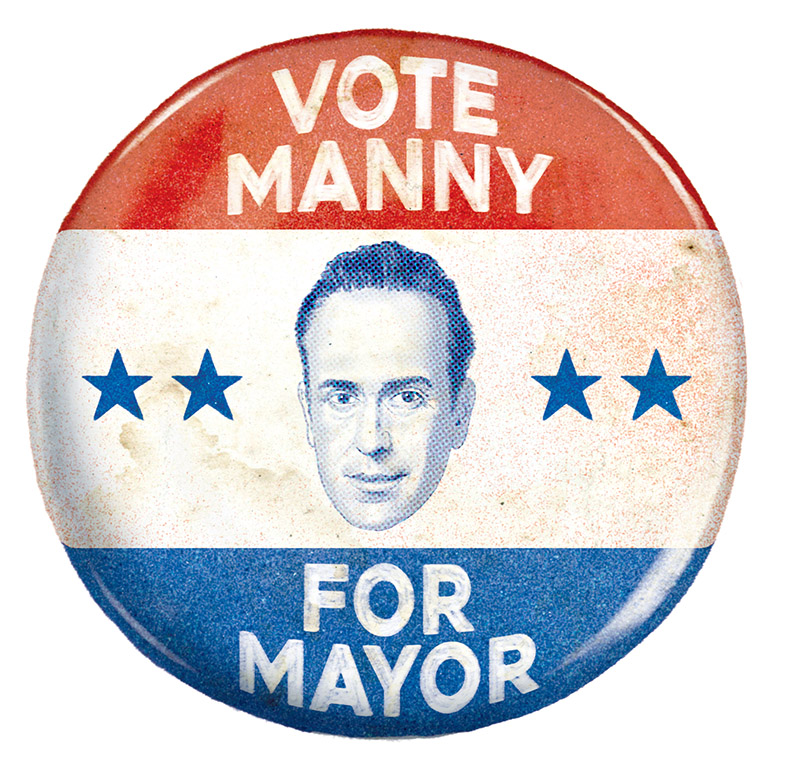
[00:43:25] Speaker B: If you want to run for mayor of your town, I'll vote for you.
[00:43:28] Speaker A: There you go. All right. Yeah, yeah, yeah. The troublemen are 100% behind you, Eddie. And you know, we thought there might be a card. You often include a, some, some, some correspondence.
[00:43:41] Speaker B: But there was some weird powder I think, though.
[00:43:43] Speaker A: Yeah, I think it might be anthrax. I don't know.
We'll see.
[00:43:47] Speaker B: He's a good guy.
[00:43:48] Speaker A: He's a good guy. Yeah, but, uh, six, six new bottles of Bosco, man. It's a lifetime supply for me.
[00:43:53] Speaker B: Well, that's at least, uh, six months.
[00:43:55] Speaker A: Yeah, that's what I said. A lifetime supply.
[00:43:58] Speaker B: Well, yeah, I don't have much time.
[00:44:00] Speaker A: Left.
I don't think any of us. I think AI Is going to kill us all by the end of the decade. That's what I hear.
[00:44:06] Speaker D: Ten years.
[00:44:07] Speaker A: That's. No, no, no, no. By the end of this decade.
[00:44:10] Speaker B: That's four years.
[00:44:10] Speaker A: Four years.
[00:44:11] Speaker C: It was 10 years from, like, 20. 24.
[00:44:14] Speaker A: Oh, okay.
[00:44:16] Speaker B: All right.
[00:44:16] Speaker A: Let's. Let's not quibble about now.
[00:44:18] Speaker B: What is AI? I don't understand.
[00:44:21] Speaker A: Artificial intelligence. And I always say this Troubleman podcast is produced with. With no artificial intelligence.
[00:44:28] Speaker B: No intelligence at all.
[00:44:30] Speaker A: No intelligence at all.
[00:44:31] Speaker C: What is Bosco?
[00:44:33] Speaker B: Bosco is a great chocolate syrup.
[00:44:35] Speaker A: Bosco is.
[00:44:36] Speaker B: You're from the East Coast. You never had Bosco.
[00:44:38] Speaker C: I was just giving you a chance to explain.
[00:44:41] Speaker A: Well, we've talked. The trouble is well familiar with Bosco. It's. Bosco's like Hershey's syrup, but better. It's. It's thicker, it's grittier here, and it really stands up to the milk or the ice cream, whatever.
[00:44:54] Speaker B: And it's good on the nipples.
Really good on the nipples.
[00:44:58] Speaker C: Your nipples.
[00:44:59] Speaker B: Anyone's nipples.
[00:45:00] Speaker A: Okay.
[00:45:01] Speaker E: All right.
[00:45:01] Speaker B: We could do them on yours right now.
[00:45:03] Speaker A: Matters not. All right, well, let's. Let's.
[00:45:05] Speaker C: Let's finish one of each of us.
[00:45:06] Speaker B: Okay?
[00:45:07] Speaker E: All right.
[00:45:07] Speaker A: I like to share and share alike.
Besides the venmo and. And PayPal links, we have the links for the Troubleman podcast T shirts. Again, if you. If you're gonna give those for the holidays, you better get on it, man. It's a. You know, it's. It's a long, long process.
[00:45:22] Speaker B: You gotta get in the queue.
[00:45:23] Speaker A: Yeah, yeah, get in the queue.
[00:45:24] Speaker B: Get in the queue.
[00:45:25] Speaker A: And also follow us on social media, Facebook, Instagram, rate, review, and subscribe to the podcast wherever you're listening to it. Give us five stars. Cost you. Nothing helps us a lot.
And I'm sure I've given y' all stickers before, but here's. Here's some fresh stickers.
[00:45:43] Speaker C: Wow.
[00:45:43] Speaker D: Free sticker for Michael and Allison at Troubledmen Podcast.
[00:45:50] Speaker A: Yeah, yeah, yeah.
[00:45:50] Speaker C: Sticker is so troubled. I love it.
[00:45:53] Speaker A: Yeah, yeah, yeah. And what else? What are we doing? Oh, I have dates coming up. You can find all those on Renee Coleman Facebook page. One date I want to talk about is the great Ed Volker from the Radiators, has a project Zico Perido, which is Ed, backed by all the Iguanas. And we have one of those coming up on a day after this podcast comes out on. On September 25th Friday, Ed Volker shows
[00:46:22] Speaker D: up in the bunny book, too. By the Way.
[00:46:24] Speaker C: Oh, and Ed Volker lent us some beautiful images.
[00:46:27] Speaker A: Oh, really?
[00:46:28] Speaker C: Yeah.
[00:46:28] Speaker B: Yeah.
[00:46:29] Speaker A: I. I'm. I'm not surprised. I bet those guys were. Were tight. Well, you know, they were. But besides all the cartoons, you know, Bunny did lots of liner notes and for. For local records and, you know, cartoons. Everywhere. There's still lidenheimer bread trucks are driving around with his. The Vic and Natalie on the side, eating poor boys. Now, when you. When you do all these interviews, please adopt my thing. Like Tom Fitzmorris. Say poor boy. Don't say po boy.
Po boy is like. If you're illiterate, it's called a poor boy.
[00:47:10] Speaker D: How do you spell it, Renee?
[00:47:11] Speaker A: P O, O, R, B O Y. Poor boy.
[00:47:14] Speaker C: Is that how you grew up pronouncing it with the ribbon, a poor boy?
[00:47:18] Speaker A: Yeah, Poor boy sandwich.
[00:47:20] Speaker C: Because I moved here in 1996, and it definitely. The R had been removed.
[00:47:25] Speaker A: Yeah, no, we.
[00:47:26] Speaker B: It's.
[00:47:26] Speaker A: And Tom Fitzmorris would point out, it's like po boys.
[00:47:30] Speaker B: Did Bunny remove it?
Remove the R?
[00:47:34] Speaker C: Stickler for the R. All right.
[00:47:36] Speaker A: See, it's like real New Orleans.
[00:47:39] Speaker C: Yeah, but Bunny was. He used the O. Apostrophe boy.
[00:47:44] Speaker D: I believe so.
[00:47:45] Speaker B: Yeah.
[00:47:45] Speaker A: Okay.
[00:47:45] Speaker D: Yeah.
[00:47:46] Speaker A: All right.
[00:47:46] Speaker B: Well, before we go, move on your book. I haven't read it. I probably won't read it. But anyway.
Who are.
[00:47:56] Speaker D: That's why I'm gonna steal it from you. That's why I'm gonna steal it from you.
[00:48:00] Speaker B: Why. Who are. Who. Who are this couple? How do you.
[00:48:03] Speaker C: As your attorney, I cannot advise you to talk.
[00:48:06] Speaker B: Who is this couple that he discovered? Natalie.
[00:48:10] Speaker D: Vic and Natalie. So Vic. So. So Vic and Natalie are characters that emerge. We were talking about the. The for sure cartoons that Bunny did for Figaro newspaper, which was a whole cast of New Orleans characters that he would see in the line at Schwegmann's or at Jazz Fest or on the streets.
Right. So they started coming. They started showing up.
[00:48:32] Speaker C: Yeah. He was theoretically transcribing real things he heard in conversation in New Orleans on the streetcar and at a nightclub and. And, I don't know, at the deli and wherever.
[00:48:45] Speaker B: So he had a lot of free time, it sounds like.
[00:48:47] Speaker C: Well, it was. His job was to go around. Creative guy, I believe we saw an invoice he submitted that he got paid, like $25 a week, big money in 1974.
[00:48:59] Speaker B: Sure.
[00:49:00] Speaker A: I think my father was only making $12 a week then, but.
[00:49:03] Speaker C: So he would take these theoretically real conversations, and he would have to draw the people that were Saying them.
And I think that, you know, the drawings were his exaggerated imaginations of the typical New Orleanian housewife or bar patron.
[00:49:21] Speaker D: And early on, they were drawn with real thin, thin lines. Sort of like maybe like what Jules Pfeiffer was doing in the Village Voice.
Except those lines are really tight and angular. And his were like big blobs, like
[00:49:34] Speaker C: a Gahan Wilson, like. Like a big blue bee.
[00:49:37] Speaker D: It'd be a blob with a. With a pointy nose and some pointy ears and some cat eye. Pointy glasses coming out of a woman's.
[00:49:43] Speaker C: On a woman's face boundary of their skin and lots of.
[00:49:47] Speaker D: Lots of droplets of spittle coming out of their mouths and their. Poor boys. Poor, poor boys.
[00:49:52] Speaker A: Okay, well, let's get into the book at this point. So Vic, you guys.
[00:49:55] Speaker D: And Vic was named after Victor Sciro, the mayor.
[00:49:57] Speaker A: Victor Sierra. I did not realize that. Whose portrait is there in Galliar hall if you.
I used to play Galliar Hall a lot as a kid.
[00:50:05] Speaker D: Bunny said that Vic Scarrow was his hero ever since he went on TV during a storm and said, don't believe any rumors unless they came from me.
And that's why I wanted to make him his hero.
[00:50:15] Speaker A: Classic New Orleans speak.
[00:50:16] Speaker D: And Natalie, he said he wanted to use that name because the name itself has this sort of laziness of enunciation that he wanted to convey. It's Natalie, right? It's not.
[00:50:30] Speaker C: It's Nat. Apostrophe L, Y. Natalie.
[00:50:33] Speaker D: It's Natalie. Not like Natalie Harp, but Natalie.
[00:50:35] Speaker B: Did Bunny ever get married Multiple times.
[00:50:38] Speaker C: Three times.
[00:50:39] Speaker B: Three times. Who are his wives?
[00:50:42] Speaker D: Go ahead with your first one. You interviewed the first one?
[00:50:45] Speaker C: No, I love the first one. The first wife was named Charlotte Murray Fremo. She was his co worker at the Mushroom 2, which is a story that even though the movie Mushroom right off Tulane campus on Broadway in Feret, still exists, they used to have a Mushroom two, which was more of a head shop.
[00:51:03] Speaker A: Where was that?
[00:51:04] Speaker C: It was on lower line, like, right. I think between Ferrette and Zimple.
[00:51:09] Speaker A: Okay.
[00:51:10] Speaker D: And Bunny not far from here.
[00:51:11] Speaker C: And Murray, as they called her. Her first name was Charlotte, but everyone called her Murray. They worked there together that had the jazz and the reggae and the. The bongs, and they fell in love at the age of like, 20. They got married, they moved in together, and apparently they spent their evenings smoking lots of weed and drawing. And they started an illustration company together called Local Talent. They did. Before Bunny actually drew cartoons for Figaro. They did editorial illustrations and Advertisements for health food stores. Like the first Whole Foods on Esplanade. Before it was actually the monolith of Whole Foods.
[00:51:50] Speaker B: Sure, yeah.
[00:51:51] Speaker C: Yeah. They did the ads for the mushroom.
[00:51:53] Speaker B: That marriage lasted what, two years?
[00:51:55] Speaker C: Oh, I mean, two months. Probably not even that. I mean, when I. When I spoke to Marie, she said she loved Bunny, but they were tiny babies, and the whole thing ran about 18 months.
[00:52:07] Speaker B: Like meeting.
[00:52:09] Speaker C: Meeting to divorce.
[00:52:11] Speaker B: Second marriage.
[00:52:12] Speaker D: Second. Second marriage with Ly.
L. L. Ly Actually. Actually related. Ly Saxon.
[00:52:20] Speaker C: Yeah. Related to Lyall Saxon.
Guy folklorist.
[00:52:24] Speaker B: No, no, no, no. Recorder.
[00:52:26] Speaker C: No, just. I think Lyall is like a.
[00:52:29] Speaker D: She also was an artist name.
[00:52:32] Speaker C: A unisex name.
[00:52:33] Speaker B: I have no idea.
[00:52:34] Speaker C: I think it is. Renee is a unisex for sure.
[00:52:37] Speaker B: I'm not part of that community.
All right. I don't know what the LGBQ WI fi.
[00:52:43] Speaker C: Not to mention riding horses, often to the pintos.
[00:52:47] Speaker A: I've only been on a horse one time, and that was one time. That was enough for me. It was one time too many, frankly. My wife has been trying to get me on a horse forever, and. And I did it. And I'm like, are you.
[00:52:57] Speaker B: You guys are kinky. You know, they're kinky.
[00:53:00] Speaker D: Anyway, so Lyle was a great artist in her own right. She got actually more sales than some of the shows she would do with Bunny at first. And then Lyle was also the mother of Bunny's two sons, who are part of this book.
[00:53:11] Speaker A: Yes.
[00:53:12] Speaker D: As well.
[00:53:12] Speaker A: Let's get to the book.
[00:53:13] Speaker C: And there's also. If I was going to say there's a wonderful picture in the book that was actually in the.
[00:53:20] Speaker B: That was the birth.
[00:53:22] Speaker C: Yeah. It just gets right up in there. It's like.
[00:53:25] Speaker B: I would love to see. I'd buy it if I could see that.
[00:53:28] Speaker A: Okay. All right. Maybe the next. Maybe they'll do a Volume two.
[00:53:32] Speaker B: Yeah.
[00:53:32] Speaker C: The photo is in the historic New Orleans collection because it's a photo of Professor Longhair performing at Tipitina is taken by Michael P. Smith, the famous chronicler.
[00:53:43] Speaker A: Oh, yeah.
[00:53:43] Speaker B: Now, what did the P stand for in Michael P. Smith?
[00:53:46] Speaker A: I'm guessing Patrick. I don't know. Just. Just guessing. I don't know what it is.
[00:53:50] Speaker C: Yeah. Michael Patrick is a very common Irish name.
[00:53:52] Speaker D: Maybe it's just the letter P. P, Like Master P Could be.
[00:53:55] Speaker A: Well, you know, like. Like Walker Houston is Walker P. Houston.
[00:53:59] Speaker D: Right.
[00:53:59] Speaker A: Doesn't actually have a middle name.
[00:54:02] Speaker B: It could stand for puta.
[00:54:03] Speaker C: About my husband. Lefty is. His middle name is W.
Again, does not stand for Anything. And that gets passed down in the family.
[00:54:12] Speaker B: I know what it stands for. Go ahead with your story.
[00:54:15] Speaker E: Oh, no.
[00:54:15] Speaker C: So the end of it is that we found this photo, and it was in the collection because it was an important, important photo of Professor Longhair taken by an important photographer. But it turns out in the front row of that photo is Bunny and Lyle making out at Tipitina's in 1976.
[00:54:35] Speaker A: Very sweet.
[00:54:35] Speaker C: And then we showed it to Bunny's son, Jude, and we're like, look at your parents. And he was like, oh, I've seen that photo. Like, someone told me that was the night I was conceived.
[00:54:44] Speaker D: Oh, wow.
[00:54:45] Speaker A: Okay.
[00:54:45] Speaker C: And I did think, has he ever been to.
[00:54:47] Speaker A: And I was like, could be.
[00:54:49] Speaker C: He's never been the same since he was conceived.
[00:54:51] Speaker B: Yeah, yeah, yeah. Anyway, I have to look at that photo. Yeah, yeah.
[00:54:54] Speaker D: So that was a lovely marriage that did not end well. But then he ended up meeting the love of his wife. Well.
Well, the marriage with Debbie ended well, except they both got brain cancer.
[00:55:04] Speaker B: But.
But at the same time.
[00:55:07] Speaker D: But they. Pretty. Pretty close.
Yeah. The ending. The ending of the book is. Is there's a lot of sadness and tragedy as well as the triumph of art over life.
[00:55:16] Speaker A: I'm glad that you bring up the book, Michael, because that's. I've been trying to get to that for about 15 minutes.
[00:55:21] Speaker C: Did you know that we wrote a book?
[00:55:22] Speaker A: Well, I see the book sitting here, and it's a beautiful book. So. It is. Well, from the. The COVID is beautiful.
[00:55:29] Speaker D: You can judge that book by its cover, I think.
[00:55:32] Speaker A: I think you can. Many times. You can, in spite of, you know, everything that's been said about.
But it's a coffee table book. It's produced by the historic New Orleans collection written by you two. Now.
[00:55:47] Speaker D: And I should say, even though she was not one of Bunny's wives, she was one of Bunny's paramours. Georgia Scott Paramore, who is the designer of this book.
[00:55:56] Speaker A: Oh, okay.
[00:55:57] Speaker D: She actually. As well as being a subject that we interviewed, but she designed the book and made.
[00:56:01] Speaker B: So Bunny got around.
[00:56:02] Speaker C: Well, this was actually a very New Orleans.
[00:56:04] Speaker D: Yeah. I think he was a serial monogamist. Yeah.
[00:56:06] Speaker C: The historic New Orleans collection said, oh, we have several book designers we work with.
We're going to ask this designer, Georgia Scott, you know, because she's free and can take on a project right now. And we're like, okay, great. They called her and they're like, oh, Georgia says she actually lived with Bunny from 1982 to 1985. Like, okay, so that is sort of the smallness of New Orleans.
[00:56:28] Speaker A: Yes, yes. It is a very interesting, insular community, which. And Bunny's art is very insular.
New Orleans. It's a reflection of the insularity of New Orleans.
So what I want to ask is, how did you two wind up as non New Orleans, as non natives? How did you wind up getting the call to write this book?
[00:56:55] Speaker D: Are you asking is that as a New Orleans native, they needed the money?
[00:56:58] Speaker A: It's a bit accusatory. Yeah, yeah, yeah. Slightly. Only slightly. No, I don't care.
[00:57:03] Speaker D: Well, Bunny. Bunny. Bunny was from Monroe, Louisiana.
[00:57:06] Speaker B: Sure.
[00:57:07] Speaker D: So.
So. So there.
[00:57:11] Speaker A: You don't. That didn't. No, I'm.
[00:57:13] Speaker B: I'm.
[00:57:13] Speaker D: No, I. I knew.
[00:57:14] Speaker A: It's a good question. It's like, how. How did you wind up getting the call to do.
[00:57:19] Speaker D: Allison and I have been talking for a long time, and the conversation was always, why isn't there a great Bunny Matthews book? And Bunny was still. Bunny was still living when we were kind of having that conversation with each other.
[00:57:31] Speaker C: But he was also. It was at a point in his life where you could tell that he was diminishing because the cancer he had had spread to his brain.
[00:57:41] Speaker A: He'd been fighting it since, like, 2016 or something.
You know, it was an ongoing.
[00:57:48] Speaker D: Multiple surgeries. Exactly.
[00:57:50] Speaker C: He announced the diagnosis, I think, in 2015, and he got diagnosed because his symptoms had gotten to the point where I think he fell down going to the mailbox once. He had, like, tremors in his hand. He couldn't draw anymore.
[00:58:06] Speaker D: There's some night at Bayona, I think, right when they realized that things weren't going well for them.
[00:58:11] Speaker C: Yeah. I think it was like he had spent a weekend in Quarter because he had been living on the North Shore, and he and his. His wife Debbie had come to the Quarter to have, like, a weekend.
And from what we were told, like, he. Bunny felt like he was wasted, drunk, and had not drunk anything because he didn't really drink. He smoked a lot of weed, but he didn't drink.
And he fell down walking through the Quarter, so knew something was up. Yeah, he had. He had central nervous system lymphoma that had spread to his brain and was affecting all kinds of dexterity stuff and balance and probably also behavior and inhibitions and things like that. And there's no way of knowing how long it was.
[00:58:57] Speaker A: It had been in effect before he even realized that was happening.
[00:59:00] Speaker D: When I was at Gambit, when I was editor at Gambit, I wanted to bring Bunny back into the paper and. And so he started doing some cartoons at that time. I thought Vic and Natalie were a little played out. I was seeing them in the TV Focus.
And so he was doing other cartoons for Gambit during that time.
But Allison's friendship with Bunny was deeper.
But we both knew him as a friend.
[00:59:26] Speaker C: I met his son Jude before I met Bunny, because Jude and I are the same. Same age.
[00:59:32] Speaker A: Okay.
[00:59:32] Speaker C: So when I graduated from Tulane in 2000.
[00:59:36] Speaker D: So you were conceived that same night?
[00:59:38] Speaker C: Yes, but just. And it's a spark lit up the heavens. I was conceived in Queens, New York, and Jude was. No, I'm actually six months older than Jude. I figured out, because he was at my house on my birthday for that interview. On his birthday, for the Anti Gravity interview. Anyway, I met Jude first. We sort of ran around in the same social circles and saw the same bands.
And then I started working as a music writer for Gambit.
So I met Bunny through, like, music stuff because he was still going to a lot of shows.
[01:00:11] Speaker B: He would still.
[01:00:11] Speaker A: You'd still see Bunny all the time.
I remember, like, you know. Yeah, like. Like, you know, when. When. When Offbeat would have, like, Jazz Fest, like, previews of every band, and they'd have different writers write on different bands. Bunny. I remember he wrote one for the Iguanas one time.
[01:00:31] Speaker C: I mean, that was when he was the editor of Offbeat. So could.
[01:00:35] Speaker A: It could have been.
[01:00:35] Speaker D: I was gonna ask you about that, Renee. Did he ever cover. He wrote about the Iguanas? Did every cover in Depth. Any band that you were part of?
[01:00:41] Speaker A: Well, I gotta say, the first Geraniums record, Little Houses in Space, that.
[01:00:47] Speaker B: That I.
[01:00:47] Speaker A: Me, Malcolm Burns, Jeff Treffinger and. And Brendan Gallagher and Brent Newman, AKA Glenn Styler, is the drummer on. And he reviewed that record for Offbeat. And it was such a glowing review. We're like, wow, that's pretty cool. He's like. This is like the New Orleans version of the band, you know, it was his take on it, you know, and.
[01:01:14] Speaker D: Wow, that's when he loves something. He made a real. I mean, we talk about him being snarky and contrarian, but he also expressed effusively his love for something that he loved. He did not hold back.
[01:01:26] Speaker B: Yeah, man.
[01:01:26] Speaker C: And that was also. That was so important to me in the late 90s and the early 2000s as, like, a transplant and a college student reading Offbeat, when Bunny had total free raid and learning about New Orleans music through him.
[01:01:43] Speaker B: Right.
[01:01:44] Speaker C: I mean, I'm not sure if I would have been sucked in to stay here without that yeah, because it was this perfect balance of, like, incredibly deep, unimpeachable, like, knowledge and credibility, but also, like, contrarianism and snark and no Kool Aid drinking, which, like, I just felt like if there was someone like Bunny here who loved this city but could also make fun of it that way, there could be a place for me, too.
[01:02:16] Speaker A: Yeah, no, that's because as what you're talking about, like, you know, drinking the Kool Aid, I mean, you know, like, I'm from New Orleans. I love New Orleans music. But, you know, it's like the thing of, quote New Orleans music, even that is kind of makes my skin crawl bit.
[01:02:33] Speaker B: A little.
[01:02:33] Speaker E: Little bit.
[01:02:33] Speaker A: You know, it's like. Yeah, I get sick of, like, what. You know, the. The stereotypical thing of that is the
[01:02:40] Speaker D: Bunny's on your side.
[01:02:41] Speaker A: Yeah, yeah.
[01:02:42] Speaker C: Worship. That's the thing that I love the most. I think about reading him as a music writer and trying to get that into the book. I hope I did. Was.
I think one of his core beliefs that was like. Was like, you. True love can never be blind love. Like, if you're gonna really love something, you have to be willing to criticize it and trash it and throw it in the garbage and make fun of it and look at it from, like,
[01:03:09] Speaker B: just like, if you really hate something, you have to do the same thing.
[01:03:12] Speaker C: Yeah, well, that. I don't know. If you really hate something, you don't
[01:03:15] Speaker A: have to love and hate as much.
[01:03:17] Speaker C: Attention.
[01:03:18] Speaker D: One of the stories we tell in the book is an article that he wrote for Wavelength magazine where he. It was a sort of an essay about. What are you having there, Manny? What are you eating there? Is that a poor boy?
[01:03:29] Speaker A: Some pork, I think.
[01:03:30] Speaker D: Some pork, yeah. But he tells the story of the professor Long Hair Banner at Tipitinas and says. And I'm paraphrasing here, it should be ripped down and thrown into a trash can and burned. And I'll supply the lighter fluid.
And now, so. And the point he's making. And he goes on to make this point. Point is, these early musicians were all about freshness and improvisation. And by sort of turning them into museum pieces, we're losing the essence that is at the heart of their music. Now, I could have written that, you know, these musicians were about improvisation and by losing. But. And that would be. And that'd be boring.
[01:04:12] Speaker C: Set it on fire. Throw it in the garbage.
[01:04:14] Speaker D: Say, in the most incendiary literary way. Exactly, exactly. And, you know, Wavelength, you know, readers did not care for his advice about the Professor Longhair Banner, even though his point was really sound and that happened a lot of times where he would say things in a really incendiary way. But if you take the time to read through what he's saying, it actually makes a lot of sense and it's pretty inspired.
[01:04:39] Speaker C: That's why I feel like it's so valuable that writing from the end of the 90s until Katrina and Offbeat, because Bunny got to see this whole generation of bands that were his kid's age, like the Bingo show and the morning 40s and electrical spectacle, and he loved them.
And he just enthused so much in those pages. And, you know, like, from that he was a true lover of art. He was a true lover of music. Like, he cared if you were making good work and he would trash you if you were doing something cheesy.
[01:05:17] Speaker B: Right.
[01:05:18] Speaker C: Or redundant or like reduplicative or ridiculous.
[01:05:21] Speaker B: Right.
[01:05:22] Speaker C: Because he cared.
[01:05:24] Speaker A: And Bunny was, you know, he was. He was really, besides being a great journalist and, you know, cartoonist, he was a fine artist as well. You know, he had the fine artist sensibility. And. And, you know, fortunately, he was not someone who was ignored during his lifetime. He was revered. He got plenty of, you know, cac, had plenty of.
[01:05:49] Speaker D: Arthur Rogers was his big champion. He had shows at Arthur Rogers Gallery. But, yeah, he got. He got that kind of fame and recognition. But we also. In New Orleans, right. We tell the stories famous in New Orleans, right?
[01:06:02] Speaker B: Yeah.
[01:06:02] Speaker A: Yeah.
[01:06:02] Speaker D: But we do tell the story of how he tried to expand and there was an deal for an animated. A national animated series. This is, you know, when Simpsons was making it big, and he tried to create a New Orleans Simpsons, basically. And he also tried. He had a. He had a two book deal, possibly with a major publisher, and it all kind of fizzled out. He never really reached outside of New Orleans. And maybe this book will give him a little bit more of that reach.
[01:06:25] Speaker C: I hope so, because I also, to me, I feel like for a long time, like it was in the 70s and the 80s, he was like, willfully, deliberately blocking people from appreciating his work. He was setting up this very Gatekeepy, sort of secret password.
[01:06:42] Speaker A: Yeah.
[01:06:42] Speaker C: Thing where he was like, I'm not gonna go right for Rolling Stone and I'm not gonna make cartoons that you can understand unless you understand a YAT accent.
[01:06:50] Speaker E: Right.
[01:06:51] Speaker C: And a million.
[01:06:51] Speaker B: So he didn't want to make money.
[01:06:53] Speaker C: Well, he was. He was kind of saying, like, I'm so great, you have to come.
[01:06:58] Speaker A: Come to me.
[01:06:59] Speaker B: Great.
[01:07:00] Speaker A: Oh, yeah.
[01:07:00] Speaker C: Yes. We wrote A whole book about him.
[01:07:02] Speaker D: So I think at his greatest he was really great. Yeah, yeah.
[01:07:06] Speaker C: But then I think there was a point in the 90s, which is the period Michael's talking about where he was and his kids were like getting into middle school and maybe he was a little bummed out that fame had not like, penetrate pay for their education.
Well, I think they went to like, public schools in New Orleans.
[01:07:25] Speaker D: So on the North.
[01:07:26] Speaker B: He was on the North Shore. Yeah, he was on the North Shore.
[01:07:29] Speaker D: He's on the North Shore for high school,
[01:07:33] Speaker C: Jude. Well, they went to like, they went to elementary school in New Orleans. They went to middle school and high school.
[01:07:40] Speaker D: Yeah, Bunny. Bunny was actually. He was kid scout master alongside the other parent in that school, Ellis Marcellus. So Bunny and Ellis Marcellus were co scoutmasters.
[01:07:50] Speaker A: I could see those for sure.
[01:07:52] Speaker D: No, that was over at Audubon.
[01:07:54] Speaker C: That was before they moved.
[01:07:55] Speaker A: I could see those guys getting along great.
[01:07:57] Speaker D: Man, I would have loved to get more stories about that.
[01:08:00] Speaker C: But yeah, I think by time the 90s rolled around and people had not sort of like unlocked his maze and discovered how amazing he was, he was like, okay, like, I guess I'll try to make a Simpsons. You know, I'll try to do an Art Crumbs trading Cards. And it just didn't happen. It didn't work. And it was.
[01:08:22] Speaker B: Because it wasn't that funny.
[01:08:24] Speaker A: Oh, it was very funny. It's just sometimes these things don't translate if you don't already know the vernacular.
[01:08:31] Speaker B: Yeah.
[01:08:32] Speaker D: One of my favorite series of cartoons in the early Vic and Natalie's in the Dixie Rose photo magazine is during the World's Fair.
And this goes on week for several weeks. This little series of Vic and all of his friends at the Vic and Natalie's Bar are trying to figure out how to get rich at the World's Fair they're going to make.
[01:08:50] Speaker A: Which everybody was doing.
[01:08:51] Speaker D: Everybody was doing.
[01:08:52] Speaker A: I remember in 1982 I was getting in a. I was my second year of music school in college. And I remember everybody thinking, man, just two more years. We just hang on till the. Till the World's Fair gets here. We're all going to get rich.
[01:09:12] Speaker D: He did that. They were. It was oyster shells, right? They were going to paint oyster shells. And if they.
[01:09:16] Speaker C: And if we sign and number them,
[01:09:18] Speaker D: we could charge three more bucks a shell.
[01:09:21] Speaker C: And he came back. I think that was so prescient, like the, the selling of the New Orleans culture joke.
He came back to that again and again. Like, I pulled that offbeat cartoon for our slideshow, that's Vic and Natalie with signs behind them saying, like, $10 cover charge, like $5. One crawfish.
Like all these exorbitant inflated prices for their bar.
And it's the. It's the April issue of Offbeats, the Jazz Fest issue. And the caption is just like, well, people expect this, this time of year, right?
And it was just, you know, Bunny,
[01:10:02] Speaker A: he was aware he was self lampooning. Yeah, yeah, yeah, he had.
[01:10:05] Speaker C: And he had also.
I think the key thing is he had been there at the inception of the invention of this saleable, magical culture, and now he was making fun of it.
[01:10:21] Speaker B: Right.
[01:10:22] Speaker A: Well, he was the ultimate contrarian, you know?
[01:10:24] Speaker C: Yes.
[01:10:25] Speaker A: And. And I actually, I read it. The. The Times Picayune interview today that you guys did a couple of days ago.
[01:10:32] Speaker B: And.
[01:10:33] Speaker A: And. And you were talking about. Allison, you were talking about the.
The, you know, the latter part of his life and some of his contrarian instincts and pen. And maybe as you alluded to earlier about the. The, you know, behavioral aspects of the disease process and talk about that a little bit.
I don't know. You were saying. You were saying, like. Well, you know, some of the things he did, you know, at the end. Well, I remember when. When I first got on social media for this podcast that's. I was never on before, but Bunny was still alive. He was still active on social media. Social media. And he would often post photographs of scantily clad women and, like every day and. And he would occasionally get kicked off or suspended or something, and then he'd come back.
[01:11:25] Speaker C: It was terrible for our research because Bunny was so prolific on Facebook, but he kept getting his accounts deleted because he would, like, break the Facebook rules.
So then he would start another account.
[01:11:42] Speaker B: So why was he doing that?
[01:11:43] Speaker A: Adult women?
[01:11:45] Speaker C: No, he did. He had several private groups.
[01:11:49] Speaker D: Lots of Vargas girls. Lots of that kind of stuff. Lots of 50s cheesecake stuff.
[01:11:53] Speaker A: Yeah, yeah, yeah, yeah. Nothing, nothing gross.
[01:11:55] Speaker C: Like fine art moods. I remember he posted in the dirty
[01:12:00] Speaker B: pictures, so he was lonely.
[01:12:02] Speaker C: The COVID of Easter, the Patti Smith record where you see her armpit hair and her nipples and the undershirt.
[01:12:11] Speaker A: He got suspended for that?
[01:12:13] Speaker C: Well, no, my point was for. Well, the thread about our research and the Facebook account sort of was.
Bunny did so much on Facebook, but we could not use the history of his posts for the book, except for his very last account, because 10 years worth of accounts were shut down by Facebook.
[01:12:35] Speaker A: You can't even access them.
[01:12:36] Speaker C: No, they don't exist anymore. Like, I can't Even look at the messages we sent to each other at the old account.
So we only really have actually the account from, what was it, the last two years of his life or three years, when he is kind of at his most adult, which is such a shame, because he did at the beginning, before he had diminished mentally.
He used Facebook like a substack, like a personal publication. He wrote lengthy posts. He posted amazing songs. He loved using YouTube in the early days of Record Collector YouTube, which you guys know, like, people with very rare records would just record the whole song, the record spinning, because it's not on Spotify, it's not on Amazon.
You just have to. You play your record, you record it on YouTube and you upload it. And Bunny would find those and repost them. So we had these, like, wonderful times on the Internet, sharing old songs and sharing cool art.
And then he really started to lose it, and losing it made him angry because his sharpness was always his thing. He could always rely on being smart.
[01:13:53] Speaker D: There's something sort of sad and appropriate that social media was kind of where he spun out and had his last act, because he was a creature of alternative media. And it was things like Craigslist and social media that did in the alternative media that had birthed Bunny in the first place.
[01:14:10] Speaker E: Right.
[01:14:11] Speaker D: So it's really a cycle of media as the story of a cycle of media that we're telling the story of here in this book as well.
[01:14:16] Speaker A: Interesting.
[01:14:17] Speaker C: That's really good.
[01:14:19] Speaker D: I should have written that in.
[01:14:20] Speaker C: I feel like we have not articulated that yet.
[01:14:22] Speaker A: We have talked about meeting of the minds between the authors here. It's like the. The glinting of the. In the eye. I like that.
[01:14:28] Speaker B: All right, are we done? I got to go.
[01:14:30] Speaker A: Well, I got to say just to. We are kind of on the downslope of the.
[01:14:34] Speaker D: We're co authors. The same with it. You guys are co podcasters. We're. We're trying to be co authors.
[01:14:38] Speaker B: Gotta be at work at 8 o'. Clock.
[01:14:45] Speaker A: Well, so the book comes out this. This week. It'll be out when this. When this podcast comes out. It will have been out for four days, but.
[01:14:54] Speaker D: And the show will still be up at the HNOC for. For months and months.
[01:14:58] Speaker A: A whole year, I think.
[01:15:00] Speaker D: Yeah. Until through next Jazz Fest.
[01:15:01] Speaker A: Yeah. Yeah.
[01:15:02] Speaker C: And we're gonna do some more crazy over Jazz Fest because Bunny's relationship with Jazz Fest is a whole other podcast.
[01:15:11] Speaker A: Sure, sure. And I heard as we.
[01:15:13] Speaker B: Eight months away. Good luck with that.
[01:15:15] Speaker A: As we showed up, Dave Clemens, the Clemperer the emperor of the Clempire is. Was talking about having a book.
[01:15:24] Speaker D: We're gonna do something. We decided that tonight, right? We're gonna do something here.
[01:15:28] Speaker A: It's a beautiful coffee table book. What is that? 300 pages? Something like that.
Beautiful reproductions.
[01:15:35] Speaker B: Do we get any free copies?
[01:15:37] Speaker D: If you buy a poor boy at Melba's this Sunday, you can get a free copy with your poor.
[01:15:42] Speaker B: Steal one if I want.
[01:15:43] Speaker A: Yeah, that's what I was gonna steal one. That's what I was gonna say, man. Yeah, but so everybody check out this book. It's so again, the Historic New Orleans collection is publishing this and, and they have a full program and, and the, the whole thing is there for. The exhibition is up for a whole year. Well, thank you so much, Allison and Michael.
[01:16:06] Speaker D: Thank you. We'll be doing a bunch of stuff through the year and catch us on our, on our socials and my website, michael tisserin.com. i'll have all those dates as well.
[01:16:15] Speaker C: No website. But thank you for letting us trouble you again.
[01:16:19] Speaker A: Oh, man, this is, you know, this is my, my wheelhouse, baby. Like New Orleans shit, man.
[01:16:23] Speaker B: This is.
[01:16:24] Speaker D: You know, I can't speak for him. I wasn't that close of friends with Bunny, but I think he would absolutely love being on this show.
[01:16:29] Speaker C: Oh, he would have loved being on this show. And he would have gotten in like a giant fight with you.
[01:16:34] Speaker A: Look, when, when, when.
[01:16:36] Speaker D: And this guy who's already left when
[01:16:37] Speaker A: I first started, man, he's gone. Yeah, yeah.
People go, does it. Is that, is that okay? I was like, don't worry about it. He does that all the time.
I wish I could do that, but
[01:16:48] Speaker C: you know, and I vote for, for him for mayor every time.
[01:16:50] Speaker A: I know, I know, I know.
As you said that, it just took me somewhere else.
[01:16:56] Speaker D: Allison, you were talking about what a good book it was and why everybody should buy it.
[01:17:00] Speaker A: I think yes. Yeah, yeah, yeah. And how smart we are and how smart you are.
And cute. Yeah, yeah.
And I'm so happy that this book came out. I mean, you know, Bunny is Saint Bunny, you know, I know. You know, he's a beloved character. He really has someone who understands what New Orleans is and can represent that to other people.
[01:17:26] Speaker D: He deserved a monograph. He really did deserve this kind of treatment. I'm glad that HNOC agreed with us on that fact.
[01:17:32] Speaker C: We couldn't have just done an art book and we couldn't have just done text.
It had to be this. It had be to be the full length biography with all the art yeah. Like to even get halfway towards understanding him.
[01:17:47] Speaker A: Absolutely.
Well, man, again, thanks so much. Manny. Manny.
I can do it without him. Well, again, thank you so much. And everybody, check out the book. It's Bunny Matthews, His Life, Art and Obsessions.
[01:18:05] Speaker D: It's great to see you again, Renee.
[01:18:07] Speaker A: You, too. And. And you, too, Allison, and you, too. Thank you.
[01:18:10] Speaker C: And you, too, Michael. It's.
[01:18:12] Speaker D: It's always good.
[01:18:12] Speaker A: As always on a troubleman podcast, we like to say trouble never ends.
But the struggle continues. Good night.
[01:18:21] Speaker E: Tonight Tell me everything tonight?
There's something sweet about the moonlight Tell me everything tonight.
Tomorrow may not be what we had bargained for Perhaps we should have chose the other door.
I'll help you sweep up here, Then you can mop the floor with me.
But tonight Tell me everything tonight?
[01:19:22] Speaker C: Money?
[01:19:24] Speaker E: What's a couple of grand between good friends for a little swindle?
Should I? Friendship?
But tonight Tell me everything tonight?
There's something sweet about the moonlight?
Tell me everything tonight.
I've been on some blenders running end to end maybe tomorrow.
I'll begin again.
But tonight Tell me everything tonight?
There's something sweet about the moonlight Tell me everything tonight.