Episode Transcript
[00:00:01] Speaker A: Inside the feral zone.
Greetings, listeners. Welcome back. Inside the Feral Zone. I'm Renee Komen, operating under cover of darkness from Snake and Jake's Christmas Club Lounge in the heart of the Clempire.
Now, many of you may know the Feral Zone is the sister podcast, the Troubled Man Podcast. It appears in this space from time to time, and this is one of those times.
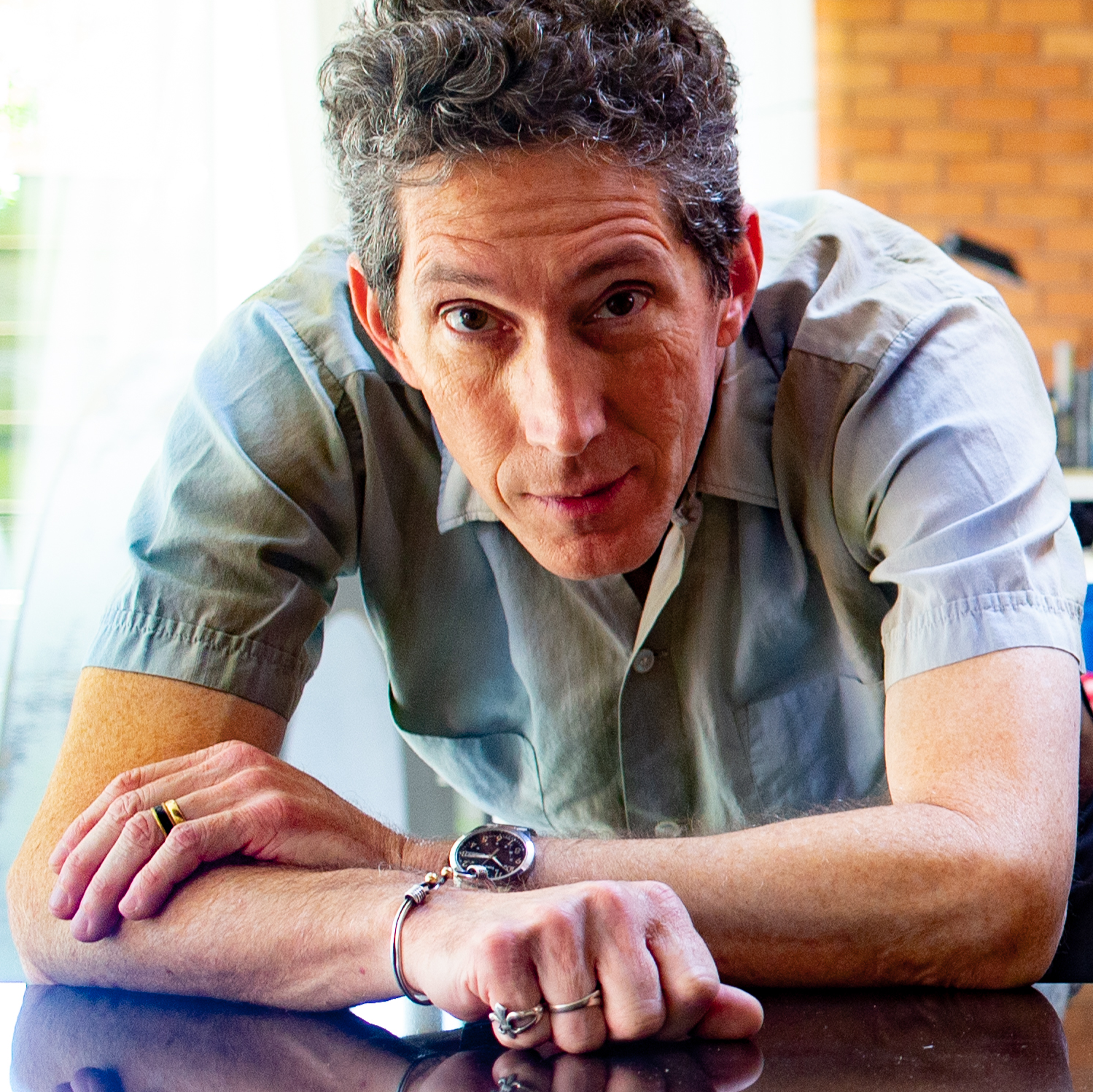
We have a very special guest here tonight. She wasn't even supposed to be in town tonight, I guess through some unusual circumstances. We have the pleasure of her company here at the. At the Christmas Club Lounge. She's a terrific, critically acclaimed songwriter, singer, guitar player, authority, memoirist, founding member of bands the Last Roundup and the shams. She's released 10 solo albums beginning with 1996's Diary of a Mod Housewife. One of my favorite titles of record ever.
Also, she released three records with her husband, the great Reckless Eric. And her first book, Girl to City, was about her time living in New York City during the punk rock heyday of the late 70s and 80s. And her new memoir is Girl to Country, which covers her time living in Nashville, just came out and her latest record is the excellent Hang in There with Me.
And she's been in New Orleans for the Folk alliance conference, I believe. And she has a performance tomorrow at the Great Nolan Acular Studio There gallery with run by our former guest, Anthony Del Rosario, another great name. Well, we'll get into all that and much more. But without further ado, the great Ms. Amy Rigby. Welcome, Amy.
[00:02:03] Speaker B: Hi. Hi, Renee.
[00:02:05] Speaker A: Hey. It's been a while.
[00:02:06] Speaker B: I know it has. It's nice to be here.
[00:02:09] Speaker A: Yes. Yes. Good to have you back. So as I was saying, you were actually scheduled to be playing in Memphis tonight.
[00:02:15] Speaker B: Is that it? Memphis was going to be. Last night.
[00:02:17] Speaker A: Last night and tonight was.
[00:02:18] Speaker B: And I was just going to be. I was just going to be driving.
[00:02:21] Speaker A: Oh, okay. Okay.
[00:02:23] Speaker B: I actually thought of stopping in McComb on my way. That was kind of going to be my pilgrimage. How often do I get, you know, to go by there?
[00:02:33] Speaker A: And do you have some history with Macomb?
[00:02:36] Speaker B: Just the Lynyrd Skynyrd.
[00:02:37] Speaker A: Oh, okay.
[00:02:38] Speaker B: Crash site. That was kind of my.
[00:02:41] Speaker A: I don't think I've ever been.
[00:02:42] Speaker B: Wanted to pay my respects.
[00:02:44] Speaker A: Okay, nice.
[00:02:45] Speaker B: But, but, but yeah, the. The Memphis show got canceled because of the ice and snow.
[00:02:51] Speaker A: Man, when I saw the news, I was so glad that you didn't try to go drive up there. I saw reports of people who were on I55, like within. I don't know, 20 miles of Memphis and stopped dead on the highway for like six hours.
One mile from an exit that had a VFW warming station and they couldn't even move one mile in six hours.
[00:03:17] Speaker B: And actually yesterday was my birthday.
[00:03:20] Speaker A: Oh, yes, I know. Happy birthday. That would have been a terrible way.
[00:03:24] Speaker B: Really, really sad way to spend my birthday. And Sunday was supposed to be Oxford or just to the west of Oxford, Mississippi, which we waited till like Saturday afternoon to just go, you know what? This is not a good idea.
[00:03:39] Speaker A: No.
[00:03:39] Speaker B: And it was a terrible ice storm there.
I don't know, like, unexpected. But anyway, hopefully they've got their power back on and everything. My. My house concert hosts, Tim and Susan Lee, they had no power. They. Their greenhouse got smashed by a falling tree.
They really had. Yeah, like a hard, you know, just like a hard couple days. So I'm glad I just stuck around.
[00:04:05] Speaker A: Yeah, yeah, yeah. Sat down and as it turned out, you know, because we were going to try to do this during the daytime and then I saw, oh, wait, she's not going anywhere. We could do this, the actual ground zero here. And you were saying that you'd been here before Snake and Jake's ages ago here in the Clempire.
[00:04:22] Speaker B: Long ago. Yeah. And my daughter lived in New Orleans for one year and we came to Dave to see if he had any places she could rent anyway.
And at the time, Dr. John was looking for a roommate.
So that almost.
[00:04:46] Speaker A: Your daughter, Dr. John could have been cohabitating.
[00:04:49] Speaker B: Yes, exactly.
[00:04:51] Speaker A: She would have learned a lot.
[00:04:52] Speaker B: She would.
[00:04:53] Speaker C: She.
[00:04:53] Speaker B: It would have been a memorable experience.
But for some reason that didn't work, didn't pan out.
[00:04:59] Speaker A: Oh, well.
Well. So you were at the Folk Alliance.
How was that?
[00:05:04] Speaker B: Well, it's. It's hard to explain. I mean, sometimes it's like a living hell and other times it's very entertaining. It's, it's. And I feel very glad that I went.
But it's a strange thing. It's not like south by Southwest or one of those music conferences that it's not open to the public.
It's kind of private and kind of like a conference of all these folk musicians and the people who love them. People like promoters who put on festivals and house concerts and people who play folk music on the radio, labels, and everybody kind of plays for each other.
The main gist is like these hotel room shows from midnight to three in the morning. And so there's corridors that are like covered with posters for all the acts that are playing and all the artists and just, you know, Some of the rooms have amplification. Some of them are just totally acoustic.
[00:06:13] Speaker A: What hotels are you doing? The Aladdin.
[00:06:14] Speaker B: It's just one. It's just one hotel. The Sheraton.
And. And it's kind of an old hotel at this point. It's from the early 80s, so the. And. And it's quite tall.
And there's a lot of problems with the elevators. Was kind of.
[00:06:30] Speaker A: I.
[00:06:30] Speaker B: And from what people have said, this is kind of a common thing with folk alliance because there's a certain period of time where everyone's trying to get right.
[00:06:38] Speaker A: Right.
[00:06:38] Speaker B: You know, where the. Yeah. Where the shows are. And so that part of it just really kind of makes your head start to spin. I. I found myself walking down, like, many, many flights of stairs and, you know, following, like, these young folk musicians and. And kind of going like. I feel like I'm in that movie, the Poseidon Adventure. I'm just realizing they didn't really know, like, what the hell I was talking about, because they've probably. I don't know.
[00:07:07] Speaker A: Yeah. So I would have gone with Towering Inferno.
[00:07:09] Speaker B: There you go.
[00:07:11] Speaker A: Similar time frame.
[00:07:12] Speaker B: Right, right. I think. I think Poseidon Adventure had more of an effect on me. You know, that whole, like, where Shelley Winters swam.
[00:07:19] Speaker A: Sure. Yeah. Oh, it's a big scene. Well, you know, I was just on the. The Big Easy cruise, and that's the second music cruise I went on. The first one was the. The only. I think the one and only Broadway cruise that was like that similar kind of thing where they had a bunch of Broadway acts.
[00:07:35] Speaker B: Oh, my God.
[00:07:36] Speaker A: I was there as talent is because I was in a band with one of the marquee Broadway acts that they had.
Michael Server.
[00:07:46] Speaker B: Oh, yeah, yeah, yeah.
[00:07:47] Speaker A: Super talented, very successful. So I play in his band Loose Cattle, and we were on with that. And. And I had this overcoat that I lost the buttons on and I needed. I was gonna. It was gonna be cold because we were leaving from New York and it was, you know, like November or something. I don't know, sometime in the winter. So I needed new buttons. So I thought, oh, I'll get red buttons. Because, you know, red buttons was in the Poseidon Adventure.
[00:08:16] Speaker B: Now, that's something I did not remember.
[00:08:18] Speaker A: But it's coming back along with Ernest Borgnine, and it was chock full of stars.
[00:08:24] Speaker B: It really was.
[00:08:26] Speaker A: But anyway, so I wore that same coat with the red buttons on this. This cruise here.
I. I wore it this time. I tell people that story, and they. Some people get it, and some people just kind of Pretend to get it or think I'm insane.
[00:08:41] Speaker B: I'm so glad to be reminded of Red Buttons. I've forgotten all about him.
[00:08:45] Speaker A: Sure. Well, you know, the last guest we had here on the Feral Zone, it was a drummer, and we were talking about people he'd played with, and he said, well, one of the. And he, like, he backed up Liza Minnelli a few times, backed up Sammy Davis Jr. But he said one of the. The biggest ones was Red Skelton. He said, I backed up Red Skelton with just he and I. And he told me. He went. Did this mime routine. And he told me ahead of time, here's what I want you to do on the drums to accompany when I do this move. I want you to do the sound. So he went out and just the two of them.
[00:09:16] Speaker B: Oh, my God.
[00:09:17] Speaker A: I thought, wow, that's pretty cool.
[00:09:18] Speaker B: What a memory.
[00:09:18] Speaker A: Yeah. Yeah, it's incredible.
All right, well, let's get back into some background on you. I know you're not from New Orleans. New Orleans.
Where did you grow up?
[00:09:30] Speaker B: Well, I grew up in Pittsburgh, Pennsylvania.
[00:09:33] Speaker A: Okay.
[00:09:34] Speaker B: And it. In the 60s and 70s and when it was still. I mean, nowadays, everybody loves Pittsburgh. Like, if I ever post a photo when I'm in Pittsburgh and everyone's like, I love that town.
And when I was growing up, it was just so. It wasn't reviled, but. But it was so.
It was a joke. It was a punchline of a joke.
[00:09:59] Speaker A: Because, like, the post industrial age, or.
[00:10:02] Speaker B: The industrial age, the industrial.
[00:10:04] Speaker A: Okay.
[00:10:05] Speaker B: The pollution was so bad that, you know, they say that, like, businessmen would carry a second white shirt to work with them because by the middle of the day, their first one would be so covered with soot because the air was just so dirty. Wow. And.
And yeah, it's just like a funny location in the. In the mountains in that corner of Pennsylvania. But. But now, you know, it. It. They did. You know, once the steel mills shut down, it cleaned up and it's become kind of like a cool place with a lot of chefs have moved there that couldn't afford to move to some of the bigger cities. And, you know, they've tested driverless cars there, which is. The roads there are insane.
It's really complicated. You mean, just so complicated.
[00:11:01] Speaker A: That's what I remember being. It's like, you know, bridges everywhere, nothing goes through. You can look and see something, and you can't get to there.
If you can fly, you should be all right.
[00:11:11] Speaker B: Yes. There's like a thousand. They say there's more Bridges than there. Than Venice. Wow. And just a ton of tunnels. And it's just like very, very steep hills that kind of then do, like, hairpin turns. And it really is. It is kind of crazy, but in that. But in that way, it has a charm about it.
But. I moved from there to New York City in 1976 to go to art school.
[00:11:39] Speaker A: Okay, so you're just fresh out of high school.
[00:11:42] Speaker B: Yeah, I left high school a year early, so convinced my parents that that was a good. A good thing.
[00:11:49] Speaker A: Okay.
[00:11:49] Speaker B: I just felt really ready to go to New York. I knew that I wanted to do. I loved fashion, music, art, and I think, you know, I was really influenced by watching that TV show, that Girl.
[00:12:04] Speaker A: Sure.
[00:12:04] Speaker B: You know, like, Marlo Thomas. Marlo Thomas. And. Yeah, just.
And all the, you know, the Odd Couple and, you know, where they'd be, like, walking down Park Avenue and. Yeah, all those. All those shows and movies. Butterfield 8 with Elizabeth Taylor in the back of a taxicab in a slip and a fur coat. You know, all of that, like, you know, just made me want to go there. And, yeah, art school seemed like a good way to go.
[00:12:32] Speaker A: So you went there to study illustration.
[00:12:35] Speaker B: Illustration, yeah.
[00:12:38] Speaker A: Had you been doing that for some time? I imagine you had since you had.
[00:12:41] Speaker B: I had. I had from a young age.
One of my teachers had said, like, oh, Amy's an artist. You know, like. And so I think.
And my. I have four brothers, but my brother that's just a year younger than me, he also was, like, heavy into drawing and painting, and so we were the artists and the family. And he did actually follow me to Parsons.
Like, he. He came a couple years later.
[00:13:09] Speaker A: Oh, that's where you went to study? Oh, you're bearing the lead. Okay.
[00:13:13] Speaker B: Oh, yeah.
[00:13:14] Speaker A: That's very prestigious, huh?
[00:13:16] Speaker B: What's that? Yeah, Parsons. Yeah, Parsons was where.
Where we both went. And.
But it was also, you know, it was 1976, so it was kind of a hotbed. Hotbed at the time. Although, you know, back then, it was kind of hard to really know exactly. I saw. I found a copy of Roxine magazine and the Giant Eagle in Pittsburgh.
And, you know, my older brother got, like, Cream and Circus, and so, you know, and I was into, like, mostly into Elton John, but, you know, I like David Bowie and.
[00:13:54] Speaker A: Right.
[00:13:56] Speaker B: But rock scene was kind of more crude. It seemed more homemade, and, like, the. The pages were more, like, black and white and.
[00:14:04] Speaker A: And more of a fanzine style.
[00:14:07] Speaker B: And it just seemed so strange that it ended up in. In the supermarket in Pittsburgh.
[00:14:11] Speaker C: But.
[00:14:12] Speaker B: And it had, like, the Ramones and Patti Smith and. And this.
This column by a guy who called himself Doc Rock, who was Lenny K. Oh, okay. But, yeah, so just. Yeah. These interesting characters.
So that. And that was all seemed to be centered around New York. So I was kind of intrigued now.
[00:14:35] Speaker A: Had you. Had.
Had you been hearing any of those bands already? Okay.
[00:14:40] Speaker B: No.
[00:14:41] Speaker A: Just saw the pictures and what looked like a window into.
[00:14:45] Speaker B: Yeah. And so when I got to New York, the dorm. I lived in the dorm at NYU because Parsons didn't have dorms yet. And we were just a couple blocks from the Bowery. But we were told by the student advisors, like, don't go anywhere.
That was the cut off.
[00:15:10] Speaker A: You weren't supposed to.
[00:15:11] Speaker B: Supposed to actually go east of 4th Avenue.
So of course, that's where I wanted to go.
[00:15:17] Speaker A: Sure.
[00:15:17] Speaker B: To find, like, what are they keeping from us? I wanted to see what's going on over there. And, yeah, I talk about this quite a lot in my. In my book Girl to City. I met this guy Bob at an NYU dorm mixer.
He was an NYU student, and he was wearing black jeans when I met him. And I just was like, where do you get black jeans?
[00:15:44] Speaker A: It was not a thing that people had.
[00:15:46] Speaker B: You could find. And there was this shop called Trash in Vaudeville on.
And anyway, so he kind of talked me through it, like, we're gonna go to cbgb. And, you know, it was just kind of like you needed a Sherpa because it's. It just was hard to know even how to find this place.
And I would have been too intimidated to walk in there by myself.
So anyway, Bob grew up on Long Island. He'd come into shows in the city for years, and he kind of knew the ropes, so he was like my guide to all of that.
[00:16:23] Speaker A: So you were going there early on?
[00:16:26] Speaker B: Yeah, it was 1976. And so, yeah, it was really. It wasn't even. The crop of British bands hadn't even started coming yet. It was all sort of, you know, the Ramones, Blondie Patti Smith, New York Dolls or Heartbreakers. Suicide. Yes, suicide. Television. Yeah. And then I remember when the. When the Dead Boys came from Cleveland, that was kind of. And the first time they came, they all had kind of long, shaggy hair and looked kind of more like 70s as we knew it.
[00:16:57] Speaker A: And then.
[00:16:58] Speaker B: Then they came back and they'd all, like, cut and spiked their hair and were wearing, like, dog collars and. Yeah, just. They had kind of gotten the whole.
[00:17:07] Speaker A: Gotten the memo.
[00:17:08] Speaker B: Yeah, gotten the memo. The aesthetic different.
And so, yeah, I Mean, back then, there just wasn't so much going on. Each thing that happened seemed to be, like, a very vivid moment. Like, you could almost count on one hand the records that came out every week. You know, like a 45.
And so I remember, like, going and getting anarchy in the uk, like, from Bleeker Bobs and, you know, jumping on the dorm room beds, like, just going crazy and. Yeah, and every gig seemed that way, too. Seemed like a total event.
[00:17:47] Speaker A: Yeah, yeah, yeah. Well.
And New York was still totally bombed out.
Had blocks with no buildings or the.
[00:17:54] Speaker B: I mean, I was lucky because the dorm was on quite a nice. Like a West Village kind of.
Even though it was east of Fifth Avenue, it was still very kind of like brownstones and kind of elegant almost.
[00:18:08] Speaker A: Okay.
[00:18:09] Speaker B: But then. Yeah, as you got, like, further east, it became much more.
I mean, I have pictures of blocks that I lived on that I just can't believe how terrible they look. And no wonder. My parents would. Like, some places I live, they literally wouldn't even get out of the car when they'd come. You know, they just, like, would kind of drop us off. And then, like, they must have had.
[00:18:34] Speaker A: Tremendous confidence in you or tremendous disregard to allow. Allow you to. To deposit their young daughter up there.
[00:18:44] Speaker B: I think I was just so willful. They really didn't have a choice.
[00:18:48] Speaker A: Okay. I like it.
It's a good quality.
So how'd you find Parsons? I mean, did you enjoy that? Is. What I mean is you liked studying there? I. I did some good teachers.
[00:18:59] Speaker B: I loved Parsons. The. The teachers were really good. And I was studying fashion illustration, which was kind of, at that point, a dying art, because that was sort of the heyday of really great fashion photography. Like Helmut Newton. And, you know, that all kind of was coming, just really coming on in the late 70s, and fashion illustration was kind of dying out. But at the same time.
Yeah, I just love. I loved the drawing and I loved the models we'd have. You know, sometimes they'd be clothed, sometimes unclothed. But I love drawing clothes.
And my instructors were just all. You know, they all worked in New York City. They drew for, like, Women's Wear Daily. And there was one.
Some of them were more like fine artists. Like, there was a woman called Katerina Denzel.
She was German, and she had, like. I just remember, like, she had, like, big, big eyes with, like, black lines around them and a real, like, severe bob haircut and.
And, yeah, she was just very cool.
You know, I'd never really met any artist before.
[00:20:18] Speaker A: Yeah.
[00:20:18] Speaker B: Living in Pittsburgh I didn't. I did go, like, when I was in grade school, they would choose, like, two kids from the whole school to go to the Carnegie Institute Saturday drawing sessions that, like, Andy Warhol had gone to. It was kind of like a big honor. You'd be with kids from all over Pittsburgh. So I got chosen to do that, but I didn't feel comfortable with that. And I just remember there being like a. It felt like there was a still life up on a stage that we were all supposed to draw. And it just felt kind of like, I don't know, stiff or something. I didn't. I didn't really.
[00:21:01] Speaker A: Couldn't connect with it.
[00:21:02] Speaker B: Couldn't connect with that. And you're just kind of like in a dark theater with a bunch of strangers, you know, and that. So that I didn't really.
I don't think I really, like, kept that up. But. But, yeah, being in New York. York, and having, like, actual working artists teaching us and.
Yeah, encouraging. Encouraging us and, you know, but at the same time, like, you know, I was 17, 18. I had boundless energy to, like, go out at night to the clubs.
[00:21:34] Speaker A: And now were you brushing up against any of the Warhol people? Any of the Factory crowd?
[00:21:41] Speaker B: Well, I remember seeing andy Warhol at CBGB's, and that was like a really big moment for me to, like, see him, like, in the flesh. He was there and we had.
I think it was. It felt. At that time, it didn't feel like the. I felt like the older kind of more fashionable people went to Max's.
[00:22:04] Speaker A: Okay.
[00:22:04] Speaker B: And CBGB was a little more. More like, democratic and like, a little like.
Yeah, just felt like the. The kind of like everybody could. Everybody's clubhouse. Right, Right.
[00:22:15] Speaker A: So were you. Were you staying away from Max's, or did you eventually start getting.
[00:22:20] Speaker B: No, I definitely went to Max's because there would be. I remember seeing suicide there and. Yeah, people would. People would. I don't think they were, you know, loyal to one or the other bands would play one. They.
The other and. And then they also had gigs at nyu.
The, like, the student center. I saw a bizarre.
Bill was.
I don't know if it was bizarre, but there was. It was Professor Longhair opened for Link Ray.
[00:22:54] Speaker A: Wow.
[00:22:54] Speaker B: It was like a straight. There were strange kind of combo like that.
[00:22:58] Speaker A: Well, when you think about, you know, coming off like, the. The Bill Graham era. Bill Graham always programmed like that, you know, like.
[00:23:05] Speaker B: That's so true.
[00:23:06] Speaker A: Real, you know, contrasting things, but. But things that would seemingly be a contrast, but then you put them Together and go, oh no, I see the through line completely.
[00:23:15] Speaker B: Totally. They comp. They did complement each other.
And so there was. So there were like bigger shows like that that maybe had like, I don't know, 300 people or.
[00:23:27] Speaker A: Well, you know, one, one thing that, that, you know, people kind of forget about that early punk rock era was, you know, people think of punk rock, you know, in hindsight as kind of a uniform. You know, like, like the Rolling, like the Ramones and then everybody that imitated the Ramones. But that's not what the scene was like. The Ramones were one band amongst. Among many who all sounded different.
[00:23:53] Speaker B: It's so true. There was no kind of single aesthetic.
[00:23:58] Speaker A: Right.
[00:23:58] Speaker B: And that was part of what was great was it felt more like a freedom. Yes. I wanted a black leather jacket, you know, because it looked really cool. And I found one for $3. There was this thrift store called the late show on St. Mark's Place. And I found this leather jacket and it was just like such a treasured possession. But, but, but I think when the bands started coming from England, from the uk, it seemed like they had this whole other kind of really like wild aesthetic that was different. Like the, when the, the Slits started seeing pictures of the Slits, these three women, and they just kind of like wore, I don't know, really just kind of unusual pairings of like dresses but with pants and they have like really matted looking hair.
Just be.
Just be really kind of creative looking and you know. And then the Clash were doing their like hand painted shirts, you know, with like spattered painting. And so people seem to just be expressing themselves with their clothes. And I did really, really. I, I love that. That was, that was a big, A big attraction to, to like X ray specs. When, okay. When Polystyrene, when they came and played at cbgb, it was just such a big event.
And because they, you know, they had that song the Day the World Turned Day Glow. And they seemed to be into like colors and pop kind of colors. And it wasn't all black. It wasn't all kind of.
Yeah, it just seemed kind of more like modern art and, And Polly Styrene had a. I just remember her carrying a lunchbox, you know, or a purse.
[00:25:45] Speaker A: Nice.
[00:25:47] Speaker B: And having. And she had braces and. And she smiled, she smiled on stage and it was like, oh, are you allowed to do that?
[00:25:55] Speaker A: Right, right, right.
[00:25:57] Speaker B: And I remember Perubu and David Thomas wearing like.
I remember. Yeah. My.
[00:26:02] Speaker A: My.
[00:26:03] Speaker B: One of my Parsons roommate's boyfriend who was sort of like. He, he Was, you know, a real.
He knew a lot of music, and we kind of. He was like. He's wearing a wide tie, you know, just like, he.
[00:26:17] Speaker A: He made Transgressive.
[00:26:19] Speaker B: Yeah. Because. Because everyone was starting to wear these skinny ties.
[00:26:22] Speaker A: Yeah. Yeah.
[00:26:23] Speaker B: But it was kind of like.
And you wondered, like, is he doing it on purpose? Or did nobody tell him in Ohio that, like, you know, but it didn't matter. It just was like, he's got the confidence to, number one, be really kind of overweight for the time and just, like, cavorting on stage and also be wearing, like, a wide tie and almost like a business outfit.
[00:26:48] Speaker A: Right.
[00:26:49] Speaker B: Yeah. So all of that kind of stuff. Stuff was just. It was really. Yeah. It didn't feel like cookie cutter. It didn't feel like. Like you had to do it a certain way. It felt like it was freedom.
[00:26:59] Speaker A: Yeah. Yeah. Well, so is this inspiring you to. To get involved with music, seeing all this?
[00:27:06] Speaker B: It did inspire me and my brother and a group of friends.
We.
We decided to make our own club.
[00:27:15] Speaker A: Oh.
[00:27:16] Speaker B: Which.
Which was kind of. I think we just wanted to make a place where we could dance because we were, you know, a lot of. My, like, Bob and our, you know, a couple friends were all. Everyone was into playing records, so kind of DJing.
And so we wanted to build this place where we could all just, like, play records and dance.
And so we found this space on St. Mark's Place, this basement, and we all kind of worked together to fix it up. Like, we.
I just remember, like, hanging Sheetrock and stuff. None of us knew. So there were one or two people who seemed to kind of know what they were doing. And one guy, Perry, had a pa, so.
But for the most part, yeah. We were just all kind of pitching in to fix up this place, and we were gonna. We made it like a social club. So you.
We didn't have a liquor license or anything. You just paid $3 to drink all the beer that you could, you know, as a member of the.
[00:28:23] Speaker A: Right, right, right. Private club. Yeah. You don't need a liquor license. Yeah.
[00:28:25] Speaker B: Yeah. And even. And we made it be like it was.
Really. The point was that it wouldn't be elitist and it wouldn't. Like, we. I think all of us who'd been working for weeks and weeks to fix the place up, we all made ourselves pay the $3 to get it.
Just so that there was no kind of. Yeah. So that it was all, like, equal. And. And that. And that was like, such an event when that place opened. Like, I remember Larry Rivers, the paint, the painter being like out on the sidewalk trying to get in. And it was like, oh, my God. Now, you know, like, that's like. He's like a New York legend, you know, and he's like an older guy. Well, he probably just wanted to be around all the young women, but. But, you know, but, but, yeah, just like everybody out there clamoring to get in.
[00:29:12] Speaker A: That's so cool.
[00:29:13] Speaker B: But it had no.
It was kind of like an unfinished basement with kind of like a dirt floor. And so by the end of the night, like, all the beer that we'd been drinking had like, you know, spewed all over and the floor was just gray slime.
And the next day, like Sunday, like walking around in the East Village, you'd see people with gray caked gray slime on their pants. And just. It just felt like we'd really, like, done something. We'd made our marks and it was just. It was cool. So. But it didn't last very long in that spot. It kind of like neighbors complained and then we had to kind of keep finding different places to have it. And eventually a friend, A friend, Angela's sister Hilary, worked at this downtown lunch spot down in Tribeca that was struggling to find customers. And she talked the owners into like, letting us put the club in the place called Tier three and that. So that became this kind of legendary downtown club that. I mean, it just was sort of magical, really, because there was no, you know, there was nothing like corporate or even like any kind of plan about it.
At first she just paid the bands, like, all the money that came in at the door. There was no effort to kind of make money. And then I think the owners kind of realized, like, oh, wait, we should.
[00:30:46] Speaker A: Have bills to pay.
[00:30:47] Speaker B: We should be taking a cut of that.
[00:30:49] Speaker A: Was there a name to the club?
[00:30:50] Speaker B: It was called Tier Three.
[00:30:51] Speaker A: Tier Three. Okay.
[00:30:52] Speaker B: So it was a three story, like a really skinny three story building down on West Broadway and White street. And like around the corner was the Mud Club. And that was like a much more kind of. We thought of that as like the grown ups, you know, and the kind of.
A little bit more decadent. And, you know, we felt like good.
[00:31:13] Speaker A: Clean fun you guys were having sort of.
[00:31:15] Speaker B: I mean, there were a lot of drugs in New York City at the time, but.
But it felt like it was just kind of more like a fun, wholesome clubhouse. Yeah, it had a wholesomeness to it and. Yeah. And somehow Hillary, who was booking the bands, she'd been to England and she Was. Well, by that point, most of us had. Because you could go to England for free.
You could. You could. You could just, like, call up and get a courier flight to London.
[00:31:45] Speaker A: Oh, really?
[00:31:45] Speaker B: Like, if you just were ready to go at, like, 4 in the afternoon, you just call this number and they just say, like, be at the airport.
[00:31:53] Speaker A: Muling some drugs over there or back.
[00:31:55] Speaker B: Or it would be like, documents.
[00:31:58] Speaker C: Right, right.
[00:31:58] Speaker B: I'm just kidding. And.
And so. And then there was also Laker Airways that had flights for, like, $29.
[00:32:07] Speaker A: So you had gone and visited London.
[00:32:09] Speaker B: By the time I had fallen in love with a man, okay.
He was the manager of a band from England. And I had. I mean, it had turned into this whole drama and, you know, that's kind of like the story of my life.
[00:32:26] Speaker A: Okay.
[00:32:27] Speaker B: But, you know, it's always good fodder for songs.
[00:32:30] Speaker A: Sure, sure. You fall in love too easily, is that what you're saying?
[00:32:33] Speaker B: I. I mean, I just, like. I'm all in. When something happens for me, I don't question it. I just go for it.
[00:32:41] Speaker A: I think there are much worse qualities to have, Amy. I think that's. That's, you know.
[00:32:45] Speaker B: I guess. Yeah, I'm never that careful about things, but. So we'd all. We'd all been to England, but Hillary had kind of met the Slits and the Raincoats over there. And so they, you know, they were both like, all female bands that were just really just very important to, like, a young woman kind of looking at, like, well, how could I fit in here? Right? And they had their own kind of approach to playing music. Like, they weren't kind of, you know, they didn't sound like that same model of, you know, two guitars, bass and drums, which, you know, I love.
But, yeah, they just had sort of their own rhythms and stuff that just felt like, very freeing.
So anyway, once a couple British bands started coming, they all started, you know, finding out about Tier three. And it was just kind of a. It was just kind of like an easy, fun gig. At first. There was not even a stage, but. But I think, you know.
You know, and having been to England, I could see kind of had a different.
I can see why they liked it because it did feel less pro, you know, like England had. I went to see the Cramps at Ding Walls in London. My brother and I went. Went.
I think it was like 1979.
And.
And we just, like, you know, being used to going to shows in New York, like, went right up to the front of the stage, you know, to see. To See, a band that we'd seen.
[00:34:22] Speaker A: Plenty of times before, probably knew those guys, huh?
[00:34:25] Speaker B: Yeah. And very good natured. But like, when they started playing, the audience was so ferocious. We were pinned to the stage by the. The surge of the crowd. Like, I'd never felt anything like it. Like they were just much more aggressive. Aggressive?
[00:34:43] Speaker A: Well, you know, the, the Ramones talk about when the first time they went over there and they're meeting like, you know, guys from, from the scene, they're saying like those guys, they were like, yeah, you want to fight? And they're like, fight? What are you talking about? We're musicians. No, we don't fight. You know.
[00:34:58] Speaker B: Yeah, New York audiences were just much more cool and not that fierce. Kind of just like fervor that, that, that would just could.
[00:35:07] Speaker A: It's a different culture, you know, they can't let them have glass pint glasses because they'll break them and stab each other, throw them.
[00:35:16] Speaker B: Yeah, I know, I know. I don't know if it's something to do with their football, I don't know. But, but so, so, so I think they liked coming to. To tier three because it was just like a kind of creative atmosphere.
[00:35:28] Speaker A: Groovy.
[00:35:28] Speaker B: Groovy.
[00:35:29] Speaker A: Yeah, yeah, yeah.
[00:35:30] Speaker B: And yeah. Well, not mellow exactly, but just kind of more. A little more fun and charming.
[00:35:37] Speaker A: So do you start playing at this point?
[00:35:40] Speaker B: I did. I did start playing drums at that point with my brother and Bob and our friend Angela. We started a band called Stair Kits that we just rehearsed in the Parsons dorm. And also in my apart, I'd moved into an apartment on 7th Avenue and where there was even the guys from the band the Fast actually lived in my building.
To me, they were like rock stars. I see them in the hallway and, you know, they had the clothes and the dyed hair and everything.
Very intimidating.
But yeah, we started practicing and we only played a couple shows.
Strangely, this record label, Feeding Tube has just released.
We never went into a studio, but someone recorded our shows. And it's out on an LP now, which I find insane, but it's crazy, but it's actually know. I think. I think we were pretty good.
[00:36:46] Speaker A: I mean, it's held up.
[00:36:49] Speaker B: I was afraid to listen to it, but.
But I think it. It did hold up. And. And yeah, we were just. I think we were just trying to synthesize like all the. All the kind of the bands that we liked from England like Wire and Gang of Four and Susie and the Banshees and, yeah, the Slits a little and.
Yeah, just a bunch of different.
You know, whatever we could throw in there.
So anyway. But I think everybody did a band at that point. You know, I could have. And then I went to London for a year to go. I finished art school in New York, but I got a scholarship to go for one more year to Saint Martin.
And I was just. I was kind of in a bad relationship at that point with someone who was very into drugs. And I really kind of wanted to get away.
And I think it seemed like. And I made friends with some bands from London, and I just thought it seemed like a more benign place to go. So I just went there and, you know, I didn't really have any.
I didn't have any money. I mean, I lived in a squat, which was going on there then, that you could just live in a place for free and just, like, ate bread and chocolate pretty much for a year and just had that kind of, like, girl in another country kind of.
But then I really wanted to go back to New York. I heard that the Clash had played at Bond's Casino. And it felt like everything was kind of moving on without me. And I just really. I think I realized how New York had been. Even though, you know, in the late 70s, it was, you know, full of drugs, dark, dangerous, dirty. But I felt like I was always just, like, somehow protected there and, like, walked into every club for free and, you know, just, like, somehow had some currency just from starting our own club and. Whereas in London, I just felt like just another punter. Right.
And it was. Yeah, I felt. Yeah. Like, I missed. It felt like New York had a.
[00:39:09] Speaker A: You had a community.
[00:39:10] Speaker B: A community, yeah, that I hadn't really valued so much. And that's kind of the story of my life, in a way that happens to me a lot. I don't realize till after, like, what I had, but I just kind of tend to keep moving on and then look back and at least you have.
[00:39:28] Speaker A: An appreciation at some point.
[00:39:29] Speaker B: At some point, yes. Absolutely.
[00:39:31] Speaker A: Hindsight is 20. 20. Well, what a great story this is, but I think it's time for us to take a little break so we can refresh our cocktails.
[00:39:41] Speaker B: Oh, yeah, Sounds like a great idea.
[00:39:42] Speaker A: Everybody out there in the feral zone, Go get yourself another cocktail and we'll be right back.
[00:39:47] Speaker C: Okay?
20 was funny 20 was tough love, money never enough 20, 30 was a.
[00:40:02] Speaker B: Blur him we heard 30 was work.
[00:40:06] Speaker C: Learning who to be 30, 20 was a field a Field of Dreams 20 didn't fit had to let out the seas.
20 was forever 20 was friends thought we would Never get to the end of 20.
30 was the best 30 was the worst Know I was blessed thought I was cursed and 30, 40 was an anthem Kill Me 50 was a film by my queen.
Hello 60 me.
Hello 1620 was funny 20 was tough 60.
[00:41:50] Speaker A: And we're back. Back with our guest, Ms. Amy Rigby. I'm Renee Komen and here we are back still in the Christmas Club lounge and as many of you know, listening to the Troublemen podcast in the Feral Zone.
We do have a listener supported operation here and to that end we have PayPal and Venmo links in the show notes of every show and the Facebook posts.
And you know, you can support the show. Buy some cocktails and notebooks. We use a lot of notebooks. You see that, Amy? I love that we brought two of them. They're all filled. Every page is filled with stuff. It's all notes.
[00:42:33] Speaker B: Pens. You need pens.
[00:42:35] Speaker A: I like. I love pens. You know, they said, I heard Quentin Tarantino saying, and an ink pen is like an antenna to God.
[00:42:41] Speaker B: I think that's absolutely true.
[00:42:45] Speaker A: We mentioned God too much on this podcast. I do anyway, man, he doesn't like it, but I always seem to come back to that.
So. Yes.
And we also have the Troubled Men podcast T shirts and we have someone purchased one recently. So shout out to William who bought himself a Troubled Men Podcast T shirt. The links are right there in the show notes and also follow us on social media, Instagram and Facebook and rate, review and subscribe to the podcast wherever you're listening to us. Give us five stars. Cost you. Nothing helps us a lot. And also want to mention a few dates. The Iguanas continue with their residency at the Carousel Bar at the Hotel Montlian down on Royal Street. That's going on indefinitely every Sunday 7 to 10. It's a real scene down there. Also, the class tribute is happening once again. The fourth annual class tribute at Chicki Wawa, February 7th. I'll be playing at that. I had a first rehearsal today. It went swimmingly. It's going to be a great show. We're doing the entirety of London Calling and then some, some odds and ends, some Clash favorites and oddities and also advance notice. I'll be out with the Iguanas and Sunny Landreth first week of March and we're going to up to upstate New York somewhere up there. And we're playing New York City at March 1 City Winery and we'll be there all in that whole area. So you can find Those dates on iguanas.com or Sunny Landreth, Facebook, or, you know, wherever. Website. And I think I'm going to be playing bass in both of those bands on this trip once again. So I'll be. Have my hands full, but I like it like that. Back to our guest Mike is Amy Rigby.
And now you live in upstate New York now, huh?
[00:44:32] Speaker B: Well, I actually live in England.
[00:44:34] Speaker A: Oh, okay. Well, I can't keep up with you, but we did.
[00:44:38] Speaker B: And I'm thinking, I was wondering, where are you playing in Troy at the hangar? We're not playing.
[00:44:43] Speaker A: You know, it's. I could look it up on my phone and tell you, because that seems.
[00:44:48] Speaker B: Like a place that I could picture you guys.
[00:44:51] Speaker A: Let's see. I'll tell you exactly where we're playing.
[00:44:53] Speaker B: I was there for 13 years.
[00:44:55] Speaker A: Playing.
Okay. We're playing at the Homer center for the Arts in Homer, New York.
[00:45:00] Speaker B: Okay. That's a little further west, but yeah, that's not far.
[00:45:04] Speaker A: Anyway, we'll be up there and we're playing Sellersville, and then we finish it off at the barns at Wolf Trap.
[00:45:11] Speaker B: Oh, very nice. Yeah.
[00:45:13] Speaker A: So it'll be a nice little tour. So again, back to our guest, Ms. Amy Rigby. So you're in New York, you're meeting all these bands. You're. You're. And you're in a band yourself now. I think the first time we might have met was you at some point. You married the great Will Rigby, drummer in. In the dbs.
[00:45:32] Speaker B: Yes.
[00:45:33] Speaker A: And who I think is a sweetheart. And he's. Haven't been around him a whole lot, but from the. You know, he was in the Panther Burns before I was in the Panther Burns.
[00:45:42] Speaker B: Oh, wow. That's right. I forgot about that.
[00:45:45] Speaker A: How could you forget?
[00:45:46] Speaker B: I know.
[00:45:46] Speaker A: Tenure in the Panther Burns. It's like being in the marines. Once you're in, you're never out.
You could be reactivated at any moment. But yeah, Will. And so you know Alex Gillen. I was playing with Alex and he told me about this cool guy, Will. And then we played shows with the DBs up in maybe like Irving Plaza.
[00:46:08] Speaker B: Oh, I remember those gigs. Yep.
[00:46:10] Speaker A: Yeah, yeah, yeah. I think Monday. That might have been the first time we met.
But, you know, Will had been down here. I think we actually played as a trio, me, Will and Alex. An impromptu trio at the world's fair site in 1984. This is before Alex and I were actually out on the road with this thing. We were just hanging around here playing on Bourbon Street.
[00:46:34] Speaker B: I think that was probably right around when. When. Well, Will. Will. And I got together probably around then.
[00:46:40] Speaker A: Okay.
[00:46:41] Speaker B: He'd been very nicely supportive of. I had this country band called Last Roundup.
And like New York City, we called ourselves Urban Hillbilly.
And we rehearsed in. In my brother's apartment on East 13th Street.
All. Not all. We had an electric guitar, but no drum and upright bass and acoustic guitars, washboard percussion, some banjo. Yeah, we swapped off a lot of instruments, but yeah, kind of like a honky tonk sound. My brother and I had both started writing songs separately. We never wrote together, but we each had our songs that we'd bring in. And Will, I can't remember how he heard us, but he.
The dbs had a rehearsal studio up in the music building.
Famous dumpy, like big, big music rehearsal space up on 8th Avenue. And he offered. They had, I think like a real. A reel to reel, like a recording machine that he offered to record us on.
And so I think it was a four track machine.
And he. Maybe it was.
Maybe it was eight, I can't remember. But he got us up there. And so that was kind of our first demos.
My brother and I had yet to. We eventually got one of those Tascam Porta Studios. That's just like a cassette, right? Yeah, yeah. And we started doing a lot of recording with that, but Will was really instrumental in like helping us kind of get into a studio. And so then that was when we kind of like eventually got together, you know, through making recordings together. Sure. And so we got married in 1985 and started coming at that point. The DB's had Jimmy Ford as their manager. New Orleans guy.
And so former guest of the Troubled Men podcast. I can imagine him being very.
[00:48:48] Speaker A: Oh, yeah.
[00:48:48] Speaker B: Very entertaining.
[00:48:49] Speaker A: Oh, yeah.
[00:48:50] Speaker B: And. And that was sort of the New Orleans connection. And we started. I came to Mardi Gras and they. They did rehearsal. They got a bass player from.
From here.
[00:49:02] Speaker A: Yeah. Jeff Benotto.
Yeah, yeah, yeah.
[00:49:05] Speaker B: From Emory. Yeah. And so we, you know, I think just spent quite a lot of time coming. Coming down right. To New Orleans. And yeah. Eventually Last Roundup went on to make an album with Rounder.
We went out to Springfield, Missouri and recorded with the great Lou Whitney.
[00:49:25] Speaker A: Oh, yeah.
[00:49:27] Speaker B: And that was. And then did a tour of the whole country and. Wow. And I know we came. We played somewhere and we played on wtul.
Met Kelly Keller.
[00:49:44] Speaker C: Sure.
[00:49:44] Speaker A: And that was the patron sand of the Troublemen podcast.
[00:49:48] Speaker B: Oh, okay. That's.
[00:49:49] Speaker A: And I always say, you know, no matter how much fun you're having, if Kelly were there, you'd be having between 40 and 70% more fun, minimum.
[00:50:00] Speaker B: Yes, totally.
She really did know how to make a party happen and connect people.
[00:50:06] Speaker A: Kelly would love to see.
She'd meet you and she'd find. She'd go, you know, you should meet this person and then tell that person that they need to meet.
She would curate friendships almost, or connections with people.
[00:50:19] Speaker B: She really did. There was a point where we tried to get her to be in the band Last Roundup because she was so cool.
And, you know, this is like, I don't know, just like shake it, shake a Morocco. It doesn't matter. You'll just, you know, you'll just really add things.
But that just wasn't. That wasn't.
[00:50:37] Speaker A: Didn't appeal to her.
[00:50:38] Speaker B: That wasn't her. But.
But anyway, so, yeah, Last Roundup came. Came through a few times.
New Orleans and.
And then, yeah, but I. I got pregnant and had a baby in 1988. My daughter Hazel, me and Will's daughter Hazel. And so that. That kind of made things a little more complicated for touring. And I kind of gravitated to my female friends, the Shams. We formed this all girl trio.
It just felt like I needed the support of my female friends having a baby. Yeah, they were very tolerant of having my daughter in a little. In a little baby seat on the table in the middle of us when we'd rehearse singing. And. And yeah, it just felt, you know, that just felt like a natural thing. We'd all take. We'd tour with my daughter in the van with us, and we'd all take turns like, walking her around motel parking lots at night because she'd be.
Couldn't get her to go to sleep. And so, yeah, it was. It was very, like a very supportive atmosphere with the other two women, Sue Garner and Amanda Richard, and again through Kelly Keller. I know we came and played down in New Orleans and we toured and made one album for Matador and. And I had at that point started making my own kind of solo demos and just eventually felt like I wanted to. I don't know, maybe it was something about being a mom.
And I came up with that idea, Diary of a Mod Housewife. Just like I wanted to write about what it was like to be trying to have a family and a life and play music and so that turned into my solo.
[00:52:39] Speaker A: Yeah, and what a great title that really encapsulates the whole ethos that you're operating under.
[00:52:48] Speaker B: Yeah, I loved that film, Diary of a Madhouse that I seen on, like, Million Dollar Movie, like when I was in New York City and.
Yeah. Back when. Even, like, pre dvd, pre vhs, pre dvd. Yeah.
[00:53:07] Speaker A: You just have to see it. It's on. You have to watch it through the.
[00:53:10] Speaker B: Listings and be like, oh, my God, it's on. I gotta see it again.
[00:53:14] Speaker A: And that record wound up being highly critically acclaimed. It's like, right out of the box.
[00:53:20] Speaker B: I mean, it was kind of amazing how it. You know, I guess I just felt that, like, even when I came up with the title, I thought it's like, this is like the Zeitgeist. This is like our lot. And not just me.
[00:53:33] Speaker A: Yeah.
People of our age.
[00:53:36] Speaker B: People of our age. And I don't know, I mean, it's something that. I don't know, you can try to catch the vibe of what your peers or, you know, or people are doing and feeling and thinking. But I don't know, like, it just. It. I. I feel really lucky that I, you know, that I had that, you know, probably.
Yeah, maybe I've hit on things a few times since then, but never that. The impact of that was really just something. I felt like it was something really special.
[00:54:12] Speaker A: Yeah, absolutely. No, just. Just seeing that before I even heard it, I was like, oh, that's brilliant.
I could.
I could almost tell what it was going to sound like beforehand. It's like, oh, no. It's something that comes out fully formed almost.
[00:54:26] Speaker B: Right. I just wanted the music to be kind of almost familiar. Feeling of all the influences of pop and rock and country, you know, from the 60s, 70s, 80s, you know, like all the eras. But the words to feel, like, just kind of real and now and just like, very plain and not, not, not contrived. Contrived? Yeah. Just feel like plain spoken and honest.
[00:54:57] Speaker A: I love the way you, like, you're singing. I was listening to your most recent record the last couple of days, and, you know, someone who just opens their mouth and sings and is not any aft.
You're not putting a lot of spin on it. You know, you're just very direct.
[00:55:14] Speaker B: Sometimes I envy. I'll hear people that have, like, a voice that sounds not so much like their talking voice. And I think, like, how do they come up with that? And I kind of envy them for that and, you know, for having this sort of instrument that they use to express that isn't just like, what they sound like when they're just talking to you, But I've never been able to do that. And it always just comes out, like, however I talk, you know.
[00:55:47] Speaker A: Yeah, yeah.
And it feels so direct and so intimate.
For the listener, you know, to hear someone do that, because there's no artifice I'm talking to.
[00:56:01] Speaker B: Yeah, that's it.
[00:56:03] Speaker A: And I think that was on Koch Records. That came out.
[00:56:07] Speaker B: Yeah.
[00:56:07] Speaker A: Well, I think around the same time the Iguanas wound up being on Koch Records.
[00:56:11] Speaker C: Oh, my God.
[00:56:12] Speaker B: I don't think I realized that.
[00:56:13] Speaker A: And I think that then at some point you moved to Nashville. And I think that's maybe the next time I run into you as we played a show together, the Iguanas. And you played a show when you were living in Nashville. And we had had a history there because we'd been on MCA Nashville early in our career and then we're off of that, but then we were back on Koch and I don't know how it was, but we played a show together.
[00:56:41] Speaker B: Was it there in Nashville? Was it. Was it.
Was it at 12th?
[00:56:46] Speaker A: And, you know, I don't think it was there, but somewhere similar to that, you know, like a 12th and Porter.
[00:56:54] Speaker B: Right, right.
[00:56:55] Speaker A: But yeah, that's like the. So we've only hung around together a handful of times.
[00:57:02] Speaker B: I know, but I feel like.
[00:57:04] Speaker A: Like we've known each other, right? I know. I feel the same way.
[00:57:09] Speaker B: I feel like I've, you know, definitely used to try to go see Alex and you and Doug play.
[00:57:16] Speaker A: Right.
[00:57:17] Speaker B: That was kind of. Yeah. Like any. Anytime I could see one of those shows, I. I would.
[00:57:23] Speaker A: That was a band.
[00:57:24] Speaker B: That was a band.
And.
And so I remember seeing you guys at the Fez and in New York City. It was kind of a nice club for a little while in. In the like, late 90s in New York City, like mid to late 90s.
And anyway, yeah, so we would cross paths and then lived in Nashville. Things went a little strange for me. Like, it's in my new book.
[00:57:53] Speaker A: Right, so your new book is Girl to Country.
[00:57:55] Speaker B: Girl to Country. Yeah, the first one was all about New York City.
[00:57:58] Speaker A: Girl to City. Yes. A wonderfully received book.
[00:58:04] Speaker B: And that one goes up to Diary of a Mod Housewife. And I thought, well, I haven't really told the whole story because, you know, I afterwards moved to Nashville and all these other things happen.
[00:58:18] Speaker A: So you were there, like, trying to be a songwriter, like, like song. You know, I could sit in a room with guys and co. Write or just. Just go around to publishers and.
[00:58:30] Speaker B: And.
[00:58:30] Speaker A: And pitch songs.
[00:58:32] Speaker B: Yeah. I think, you know, I think I really wanted to make a living somehow with music and.
And I started going down to Nashville even before I got out my first solo album, just like bringing cassettes to Publishers and, And had that, like a kind of positive response.
But then, you know, when I'd go down, they'd say, like, well, you kind of got to be here, you know, like. And I. And also, you know, I thought, well, you know, maybe New York is kind of challenging place if you have a kid.
[00:59:07] Speaker A: Right.
[00:59:09] Speaker B: But, you know, so.
And that's kind of. Yeah. The plot of the new book is that I, you know, that I. Eventually my daughter and I moved to Nashville. Will and I had gotten a divorce, but he was playing with Steve Earle, playing drums with Steve Earl.
So he was, he was, you know, had that connection. So, you know, we were, you know, it was kind of. Well, he was always on the road, sure. But.
[00:59:36] Speaker A: So it wasn't any different.
[00:59:37] Speaker B: It wasn't really. Wasn't any different. But when he would come home, he would. He could be in Nashville as easily as in New York.
So that, you know, it just felt like something I had to try. Yeah.
And, and, and it was. It was an interesting time in Nashville. It was still kind of.
[00:59:57] Speaker A: This is like, what time?
[00:59:58] Speaker B: Like the early 2000s.
[00:59:59] Speaker A: Okay.
[01:00:00] Speaker B: Yeah. We moved there in 1999.
And the early 2000s, it really was kind of the. Just the backwater that it kind of felt like it hadn't.
It hadn't. Jack White hadn't moved.
[01:00:14] Speaker A: Right, right, right, right. All the rock and roll has had discovered it.
[01:00:17] Speaker B: Yeah, it was, it was still kind of. It felt like the goose of that country music that I really kind of loved.
I. It was. It was interesting writing about that time because in writing about it, I realized like, oh, my God. In 2000, they broke ground for the new Country Music hall of Fame and Museum. In 2000, they, you know, opened the frist. Me like they, they were at that point, they were kind of pitching Nashville as like this new kind of city that was much more kind of fancy and more sophisticated than it had been. The kind of down home charm that had attracted me to it back in the 80s.
They were really kind of like moving forward with all this kind of change and kind of, you know, so, so it was. And they were still giving publishing deals to people like me.
It was, you know, it was kind of like the last gasp of the music industry.
[01:01:20] Speaker A: Well, yeah, before the Internet, CDs were coming out, so record companies were flush with cash. They were able to resell all of the catalog that they had ever made for pennies on. On the dollar. And, you know, it's like you could make something that costs 75 cents and sell it for $15. So, so you had. There's a lot of money sloshing around in the system. You could give out a lot of record deals, you give out a lot of publishing deals. It was a great time to be in the music business.
[01:01:53] Speaker B: I mean, but again, kind of like talking about like communities that existed that I didn't appreciate the laughter. It was. Was kind of like how incredible that I was able to like get a publisher. I was able to buy a house.
[01:02:06] Speaker A: Yeah, yeah.
[01:02:07] Speaker B: In Nashville, you know, because, I mean, I wasn't rich, but I, you know, like, I actually had like a monthly draw from a song publisher, you know, that enabled me to like support my daughter and keep making my records and.
And touring, but at the same time. Yeah. Trying to get songs covered by other artists and.
Yeah, it was kind of incredible that.
And it was like pre social media.
[01:02:42] Speaker A: Yeah.
[01:02:43] Speaker B: Everything was still. Everything was still very innocent. Innocent.
I mean, there weren't even like the, the, you know, website building platform, blogging platforms. None of that existed. If you didn't know HTML.
[01:02:58] Speaker A: Right.
[01:02:59] Speaker B: You really couldn't even have like a presence on the Internet. And so it was, you know, all of that was just like in the, in the early phases and so a lot of it was just time.
All that time that we spend now doing all of these kind of things.
We spent more like writing and demoing songs and, and I, and I did. Yeah, I, I enjoyed co writing.
That was a big part of Nashville life was to get together with other writers. And it was.
Maybe those weren't. I mean, some of them were really like good songs that I played at the time. Same day.
[01:03:43] Speaker A: Yeah.
[01:03:44] Speaker B: Songs that I co wrote with people and it kind of. And it was like a sort of social life as well, getting together with other writers. And so it was. And it was kind of like a magical time in that, you know, like Rosie Flores lived on my block and would babysit my daughter.
[01:04:04] Speaker A: You know, I would let Rosie babysit my children for sure.
[01:04:08] Speaker B: Yeah.
[01:04:09] Speaker A: Definitely trust her.
[01:04:10] Speaker B: It was so sweet. I know. It was just there were like, you know, other.
I think when I went there from New York, I thought, oh, I'll meet other moms, you know, that are trying to do music. And I think I realized, like, it's really not that common of a thing or at the time it wasn't. It was not an easy thing to try to do both. And that's also when I was working on this second book, I found, you know, kept coming up against that again and again, like, gosh, what the hell? I was, was. I Insane to try to, like, do all these things, you know, with. Without kind of having much support to do it or, you know, it just wasn't. It wasn't easy. It's not easy to try to make your mark in music and to try to, like, be.
Be a mom.
[01:05:01] Speaker A: Responsible parent.
[01:05:02] Speaker B: Responsible parent. And as I said in the book. Oh, while trying to look cool.
Is that too much to do?
[01:05:09] Speaker A: Well, I don't think you can help but look cool, even if you try not to look cool. Now, speaking of trying to not look cool and you know, so much of what's appealing about your music and your whole, you know, your songs is the humor that you always have in everything you do. And this is off topic, but yesterday I saw a post that you did where you were in New Orleans taking a nice leisurely walk on your day off, on your birthday. And you're talking into the phone, you're recording, and you can see that you're in the Garden District. It's very lush behind you and you're looking. And in the middle, the of you take a spill.
And it is so hilarious. Now, if you'd hurt yourself, it wouldn't be funny.
And you posted it. So I didn't feel bad about laughing about it because you saw it and you knew it was funny. But I busted out laughing. I had to go show it to my wife. When I saw it the second time with her, it was even funnier because I knew what was gonna come up.
And you notice more detail in the thing, which is that as you. And you must have tripped on a broken sidewalk is what I guess, because that's. New Orleans is filled with broken sidewalks.
[01:06:28] Speaker C: I did. It was so bad.
[01:06:31] Speaker A: Now it's to your credit that you did not hurt yourself. I have that same ability. I'm like a cat. I can fall down and not hit my face. I'll take it on the shoulder, I'll roll with it like a butterball.
[01:06:44] Speaker B: Like, I had like a fluffy coat on. And I. I didn't seem to. But.
[01:06:50] Speaker C: But.
[01:06:50] Speaker B: And, and. And two days we. Some friends and I walked to the Carousel Bar on Sunday, thinking we were going to see you, but you were.
[01:06:58] Speaker A: Out on the cruise, still out on the boat.
[01:07:00] Speaker B: But anyway. And I was. And I was admonishing them, like, now whatever you do, like, make sure you watch every step because it's very. Where these sidewalks were very treacherous. And I kind of just forgot all about that and was just like, oh, my God, one thing that I missed and I couldn't. Couldn't quite show There was a whole group of tourists, like, right across the street. And I think when you fall in public, the worst thing is, like, when, you know, having people see. I mean, thank God I didn't get hurt.
[01:07:30] Speaker A: And awful if you break something. Oh, God.
[01:07:33] Speaker B: To have them see you. But they were actually, like, just looking at this beautiful house that none of them even noticed.
And I think that's how I was able to keep smiling and laughing about it, because I didn't have to go, like, I'm okay to tell them that I was all right.
[01:07:51] Speaker A: One thing I like about it is when you go down, the phone stays right on you.
So in the background of the phone, you see the. The.
[01:08:00] Speaker C: The.
[01:08:00] Speaker A: The. The tree, see everything go sideways.
[01:08:04] Speaker B: I'm so glad you appreciate that, Renee. I. I really thought, like, that it was like gold, that moment.
[01:08:11] Speaker A: Oh, no, it's. It's such a Lucy moment. You know, I'm a huge I Love Lucy fan now.
[01:08:18] Speaker B: The only thing I will say, and this could get us to. On to maybe our last topic.
[01:08:22] Speaker C: Sure.
[01:08:23] Speaker A: Okay.
[01:08:23] Speaker B: Is that I haven't spoken to my husband. Husband yet about it, and I really don't want to hear what he has to say about me, like, possibly, you know, because I'm sure he worries about me, like, out on my own on the road, and I don't want him to. I mean, I'm sure he'll think it's funny. But also, like, I would worry about him if I thought he put himself in a sort of, you know, like.
[01:08:45] Speaker A: Come on, pay more attention, be more careful. Exactly. So I haven't today.
[01:08:50] Speaker B: I almost, like, intentionally. Intentionally didn't call him because you're hiding. Maybe, like, you know, get some more content up there, and he'll forget about it. He won't see it, and we'll move.
[01:09:00] Speaker A: On to the next thing and get lost in the shuffle.
[01:09:02] Speaker B: Exactly.
[01:09:04] Speaker A: Well, so. So your husband. So. So then the next time I see you after that is. Is the Iguanas are playing at the Memphis Overton Park Shell, which we just got booked to play in the. Again after years of not being there, and we had a night off, and we came to see. I said, oh, I know Amy. We know Amy. Let's go see Amy. And we went. It was you and. And your husband, Reckless Eric, doing the duo show, and I was blown away. It was so cool, man, the way he backed you up. And then you backed him up and you had some drum machine stuff on some things, and it was just so cool. And, you know, the way you've wrapped this pop folk, indie thing into all the influences that you've had, the way. The way you guys. And Eric is such an angular, powerful performer and great producer. Like, you know, he. Did he record your. Your latest record?
[01:10:00] Speaker B: Yes.
[01:10:00] Speaker A: And produce that?
[01:10:01] Speaker B: Yeah.
[01:10:02] Speaker A: So my wife and I are listening to it today, and she goes, wow. Who produced this record? I said, reckless Eric. She goes, oh, yeah.
I said, everybody loves Eric.
[01:10:12] Speaker B: Oh, he's got such a. He's got such a great approach to recording. And I mean, you know, sometimes it drives me crazy because it's very layered and it's very. It's like a painter and it's kind of. It's not linear. It's very, like. It takes a while sometimes. It doesn't always have to, but it takes a.
He's, like, deadly honest about everything and won't let things go that, you know, you might kind of.
[01:10:41] Speaker A: He's an artist.
[01:10:42] Speaker B: He's an artist. And that's, you know, that's another big part of my new book is us getting together and me just going like. You know, just seeing him playing solo and just going like, there's an artist.
It's all just, like, uncompromising. It's just a man with a vision and an unwavering, you know, kind of belief in what he's doing that, you know, just isn't tainted by anything and just, like. I don't know, it's pure and. And. And just like, had such a huge impact on my life.
So I can't remember where we were going with this.
[01:11:27] Speaker A: Oh, well, this is.
[01:11:27] Speaker B: No, no. So we got. So. Okay, I know that the High Tone. You came to see us.
[01:11:32] Speaker A: Yeah, yeah.
[01:11:32] Speaker B: High Tone. And it's one of Eric's proudest moments that you told him that he was a good bass player.
[01:11:40] Speaker A: Oh, nice.
[01:11:41] Speaker B: Yeah. No, no, he thinks you're a great bass player.
[01:11:44] Speaker A: Oh, wow. He even knows who I am.
That's shocking.
[01:11:47] Speaker B: No, no, I mean, he's. You know, he's seen you play.
[01:11:50] Speaker A: Really?
Wow. I feel better about myself.
[01:11:56] Speaker B: No, I mean, it just meant so much to him for you to come up and tell him that and.
Because I think, you know, he. He had. He had his great career as, you know, a kind of pop.
You know, pop.
Make maker of these pop songs.
But I think, you know, when he made the. Those records for Stiff back in the 70s, I think, you know, he would sometimes feel, you know, like his skills as a musician would be denigrated and kind of like, oh, well, we'll get someone who really knows how to do that. You know, to come in and play a guitar. You know, like, he was, you know, I feel like it. And he was only in his mid-20s, and it had a kind of a bad effect, you know, like we, you know, I don't know, like, that was the pop. That was the downside of that kind of music business we're talking about.
[01:12:49] Speaker A: Right.
[01:12:50] Speaker C: Where.
[01:12:50] Speaker B: Where, you know, people didn't get paid what they were earning. And they were also kind of, you know, made to feel like they're just sort of a cog in a. You know. Is it a cog in a wheel? Yeah, that they're. That they're. That they're not an artist. That they're just kind of like, oh, you know, like, oh, don't worry.
[01:13:07] Speaker C: You're.
[01:13:07] Speaker B: Your head about that. We'll. We'll figure all that out, you know, just like show up and sing your song. And. And so I think when. When somebody, you know, like, like, you know, just reinforces that idea that he's like a really powerful musician, it's like, it really means a lot.
[01:13:27] Speaker A: Oh, man, I'm so glad.
[01:13:29] Speaker B: Yeah.
[01:13:30] Speaker A: You know, what I, What I thought you were going to say is, I remember talking to you all that night and, and maybe it was in that same conversation where I was already complimenting him, where I said, yeah, you know, when I was hanging out with Alex Chilton, I was. We were talking about the English artists, you know, back in the day, and you're like, who'd you like? And he goes, yeah, you know, a lot of stuff I really didn't care too much for. He goes, you know, who I really liked was that reckless Eric guy.
And I was like, oh, yeah, Yeah.
[01:13:57] Speaker B: I think that's one regret that, that, you know, like, that we both have that He.
I think the one encounter he had with Alex, it was, you know, like they kind of came at it, like, cross purposes or something.
[01:14:10] Speaker A: Yeah, yeah, that's easy to have happen.
[01:14:13] Speaker B: You know, and, and, you know, and I guess they were both kind of cantankerous in their way.
[01:14:18] Speaker A: Sure.
[01:14:19] Speaker B: But.
But I think only in retrospect does he kind of see like, you know, that. That, like, Alex was kind of for him and, and how, you know, like how they were kind of two peas in a pod.
[01:14:32] Speaker A: Right, right, right.
Looking at your whole career, you know, your.
[01:14:36] Speaker C: All of your.
[01:14:36] Speaker A: All of your.
Your. Your books, your records, you know, and it brought us just to kind of wrap. Wrap this all up, was thinking today, you know, I have a long history with you, a history with Tav Falco. That goes way back. And the panther burns, that whole aesthetic. And. And I had Tav on the podcast a couple of years ago, and when I had Tav on, I was talking about, you know, my admiration has grown for him so much over the years, you know, and. And all the stuff he's done. And I think his greatest achievement is himself as an artist. And he said, you know, Renee, that's the artist's greatest creation, is his own vision.
[01:15:18] Speaker B: Wow, that's. I think that's really.
I mean, I think if. If you can keep going that. I mean that. I think that's the thing. It's like you can't stop because that is.
[01:15:31] Speaker A: What alternative do we have?
[01:15:33] Speaker C: Stop?
[01:15:34] Speaker A: What do you mean? What will we do?
[01:15:38] Speaker B: I know, because I think I've. I posted the other day, some guy at the Focal Lines thing was just like, oh, like a younger guy sitting next to me at the bar, and he said, so, do you. Do you still tour and all that?
And I said, yeah, you know, oh, God love you. And I felt it was kind of like a Southern person saying, oh, bless your heart, like, sort of. I couldn't tell what he meant, like, but, like, whether it was kind of like, oh, isn't that cute?
[01:16:11] Speaker A: Right, right, right.
[01:16:12] Speaker B: But I don't know, like, you know, maybe. Maybe it meant, like, you're. I couldn't do that. I couldn't do what you do, but, you know, like. Like, good for you. Okay. So I think I'm gonna take it to mean something like. Like that, like, good for you for. For doing that. And.
[01:16:29] Speaker A: And I think we are showing the. The younger artists the path. This is. This is it. This is what you have. You chose this. This is what we do.
[01:16:39] Speaker B: Yeah, that's true.
[01:16:40] Speaker A: You're watching it. And look, all of my heroes die on tour or on stage, you know, but, like, the way I want to go is if it's not on stage, you play a show, you go back to your hotel room, and then they find you.
[01:16:59] Speaker B: And then, I guess, I mean, that's.
[01:17:00] Speaker A: That's. That's. To me, that's. That's it. That's.
[01:17:03] Speaker B: You know, I was on stage with David Olney when he died.
[01:17:08] Speaker A: Yeah.
[01:17:09] Speaker B: And. And that was. I mean, you know, I guess as. As time. I mean, it was very traumatic.
[01:17:14] Speaker A: Oh, sure. Yeah.
[01:17:15] Speaker B: But as time has gone by, and that was six years ago now. It was January of 2020, and we were, you know, doing an in the round type thing, but I guess as time has gone by, maybe I've started to feel like well, that, you know, people have told me he wanted to. He had said he wanted to die on stage like Johnny Guitar Watson. Yeah, man. So I guess, you know, and also, I think part of what made me very upset was that his. That his wife was there, but then she got back in touch with me and. And was so sweet and said, you know, like, I'm glad I was there. I wouldn't have wanted to hear about what it was. At least I know what it was like. And so anyway, like, I think, you know, maybe it is. Maybe it is the way.
[01:18:05] Speaker A: That's the way out, baby. That's the way out for an artist.
[01:18:09] Speaker B: And also, I'll say, like, he couldn't have looked. It couldn't have been more like grace than it was. So. So, you know, it was like a kind of a beautiful things. And sometimes I feel like I had his hand on my shoulder just like, you know, like, it's okay. That was okay.
[01:18:29] Speaker A: Wow, Amy.
[01:18:31] Speaker B: Wow. It's cosmic.
[01:18:33] Speaker A: This has been a great one, man.
Well, everybody, you know, check out all of Amy's records. You know, the. The last record one. Hang in there with me. And the. The most recent book just came out, girl. The Country.
[01:18:46] Speaker B: That's the one. Yep. And. Oh, thanks, Renee, for having me. This was great.
[01:18:51] Speaker A: So much fun.
[01:18:53] Speaker B: I feel like we've been having a conversation for years, but maybe we never really have.
[01:18:57] Speaker A: It's just kind of, in a sense, we have.
All right, well, be safe out there. And as always, I am Renee Coleman, signing off from inside the Feral Zone.
[01:19:08] Speaker B: Good night my heart away a million.
[01:19:12] Speaker C: Times Spent my life making rhymes Here I'm doing it again I lost my shirt and stuck my neck on the block like other folks take a walk hello. I'm doing it again I should be kicking back instead of gearing up to taking off another crack I'm too old to be so crazy.
And here I'm doing it again I face the future and I say so what? Can you trust my gut? Good God, I'm doing it again I still like someone.
[01:20:02] Speaker B: Try what I already.
[01:20:03] Speaker C: Did I'm old to be so crazy the definition of insanity, according to Alberty, is to repeat the same action, restricting it all to a different lady. That sounds a lot like me. The only satisfaction is in a little more traction I tell the world to show me what it's got can't help but stir the pot and here I'm doing it again Give me another rabbit the brass ring I'll gamble everything Hell yeah, I'm doing it again Blah, blah blah. Blow against the wall, I won't stop kicking til I've risked it all. I'm too old to be so crazy.
This way of life, it never made much sense. But in my own defense, I didn't choose it, just hit me. I tried a thousand times to give it up, Fall down and fuck it up. You can call it a victory dream.
Trust the mystery, Be so crazy.
To be so crazy.
A million times. Spend my life making rhymes. You want to do it again?