Episode Transcript
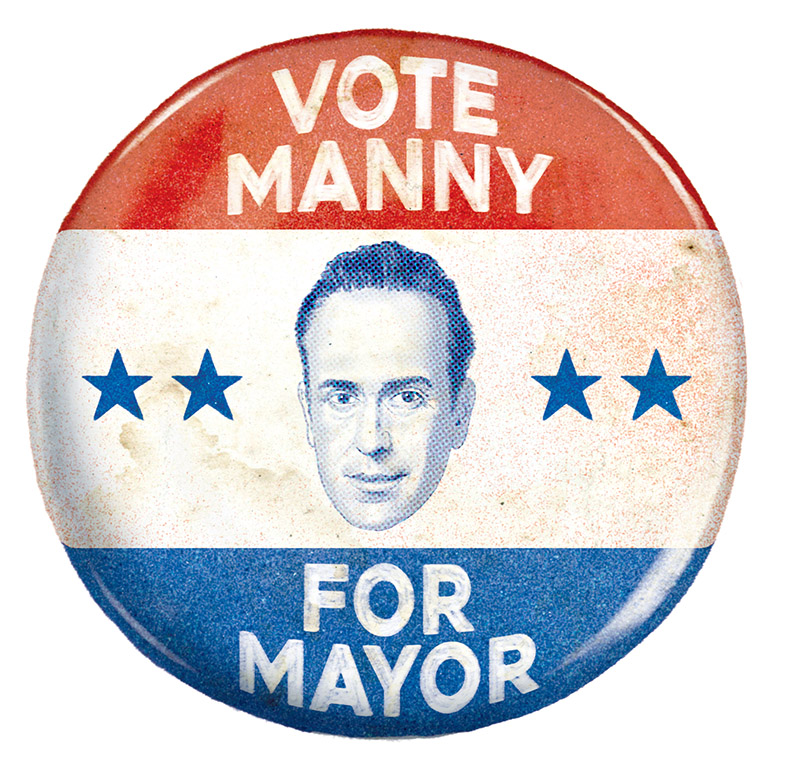
[00:00:15] Speaker A: Greetings, troubled listeners. Welcome back to the Troubled Men podcast. I am Renee Coleman, sitting once again in Snake and Jake's Christmas Club lounge in the heart of the Clempire with my co host, the original troubled man for troubled times, Mr. Manny Chevrolet. Welcome, Manny.
[00:00:32] Speaker B: Hey, man, how are you?
[00:00:34] Speaker A: Oh, I'm doing better than some people, man. We saw across the street they got a whole scene out there, huh?
[00:00:38] Speaker B: Yeah, it's tough crack horse.
[00:00:41] Speaker A: That's tough, man.
[00:00:42] Speaker B: In the clampire.
[00:00:43] Speaker A: It's tough.
[00:00:44] Speaker B: You know, people got crack horse in the clamp.
[00:00:46] Speaker A: People hear that. That Dave's a soft touch. They just. They come around like. Like lost kittens, you know?
[00:00:53] Speaker B: Yeah.
And instead of killing them or dropping them off on the side of the road, he feeds them.
[00:00:59] Speaker A: Yes, yes.
[00:01:00] Speaker B: Then they populate.
[00:01:02] Speaker A: Right, right.
[00:01:03] Speaker B: And then you got a lot of crack whores around.
[00:01:05] Speaker A: Oh, well,
[00:01:08] Speaker B: anyway. Yeah, so that's what's going on. Right. Right as we speak.
[00:01:12] Speaker A: Right outside it's Tiki Tuesday.
Inside we have Juan, a recent newlywed Juan behind the bar.
Congratulations, Juan.
[00:01:23] Speaker B: It was a party too.
[00:01:25] Speaker C: Congratulations.
[00:01:26] Speaker B: Yeah, yeah, it was a party, man.
[00:01:28] Speaker A: That's what you were saying, man. It's encouraging. Young love, you know, I like to see people, you know, it's.
[00:01:35] Speaker B: How old is one? Well, I don't be in the 60s.
[00:01:38] Speaker A: He's my age.
[00:01:39] Speaker B: Yeah.
[00:01:41] Speaker A: I don't know, you know, it's not
[00:01:42] Speaker B: like your kid trying to keep a
[00:01:43] Speaker A: positive spin on it,
[00:01:47] Speaker B: but the only thing young about Juan is that he still wears diapers. That's the only thing young about him.
[00:01:53] Speaker A: Okay.
[00:01:55] Speaker B: All right.
[00:01:55] Speaker A: Well, we're all gonna get there one day. Hopefully. Hopefully.
What's going on? What's going on?
[00:02:02] Speaker B: Absolutely nothing.
[00:02:03] Speaker A: Absolutely nothing.
[00:02:04] Speaker B: It's just a lot of work. I'm working a lot.
[00:02:07] Speaker A: Yeah, no, it's weird because usually your, your, your job gets busy right at the beginning of the semester.
[00:02:12] Speaker B: Yeah, well, yeah, it does that too,
[00:02:14] Speaker A: but this time it's something unusual.
[00:02:17] Speaker B: Well, it's new. It's new things that are happening.
[00:02:20] Speaker A: New processes.
[00:02:22] Speaker B: Yeah. New mechanisms, new systems. The corporate machine is grinding you to a pulp. Yeah, it's, it's. It has to do with the.
The rental of books.
[00:02:36] Speaker A: Okay.
[00:02:36] Speaker B: The rental of digital content.
It's just, it's now become where beginning and the end of the semester is really, really busy.
[00:02:47] Speaker A: Gee. So you just get about two weeks in the middle where you're, you're.
[00:02:50] Speaker B: Yeah, it's about a month. About a month maybe, you know, so, yeah, it was. It's very busy right now. And then they'll be graduating in about a week or so.
[00:03:02] Speaker A: Yep.
[00:03:03] Speaker B: And the two lane green wave. I'll do my favorite thing. I'll wave goodbye.
[00:03:08] Speaker A: That's your favorite part of the wave.
[00:03:11] Speaker B: The wave goodbye you.
And then a new, a new, a new breed, a new batch of will come in in August.
[00:03:22] Speaker A: Right.
[00:03:22] Speaker B: And the parents will come in and you know, these people are paying 90 grand a year to go to this school. So they think that, you know, they think they can, you know, the men, women and students are all Karens now. Oh, yeah, yeah.
[00:03:37] Speaker A: You know, they'll complain about the prices of books.
[00:03:39] Speaker B: Well, they complain about anything. It's just like, you can't have these books delivered to my, my kids dorm room. I said, no, I can't have your kid. Come and get the book. Stop spoiling them. Yeah, you know, it's too late.
[00:03:54] Speaker A: They've already spoiled.
[00:03:55] Speaker B: Yeah, they're spoiled rotten brats, you know, Anyway, so that's been going okay. All right. And, and then our war, this war is going on that our fearless leader has no clue what to do. The art of the deal does not, you know, it does not apply to war.
[00:04:14] Speaker A: He's now started a pissing contest with the Pope.
[00:04:17] Speaker B: Yeah, I saw that too.
[00:04:20] Speaker A: And then, and then I guess people have been up in arms because as part of his ongoing conflict with the Pope, he, he created an AI image of himself kind of in a Jesus character healing someone who looks remarkably like Jon Stewart.
[00:04:36] Speaker B: Right. Yeah. I don't, I don't know if he's doing this on his own or he's just got a group of yes. People going, you should do this, you should do that.
[00:04:44] Speaker A: It sounds like something he would do, though.
[00:04:47] Speaker B: Well, yeah, it definitely seems. Yeah, it definitely seems like something he would do. But I. Is he that smart enough to do it? To do an AI thing of him? I don't think he can do that. I think he's telling people. Yeah, because he doesn't sleep, apparently. Right.
[00:05:00] Speaker A: I guess it's all Adderall, huh?
[00:05:02] Speaker B: That's what they say, Adderall, you know, or he just can't sleep. He's done so much things in his life that he.
[00:05:09] Speaker A: I think he has a conscience. Really? Really.
I think it's the Adderall.
[00:05:15] Speaker B: I didn't know he took Adderall. Well, I mean, what is Adderall?
[00:05:18] Speaker A: Well, it's basically speed, you know, and then, you know, it's. Adderall is one of these insidious kind of substances. They, they put a lot of young boys on it, you know, like, you know, like five, six, seven year olds and they, once they get them on, on that shit, they seems like they keep them on it forever, man.
[00:05:38] Speaker B: Why would they put them on it?
[00:05:40] Speaker A: Well, because it makes them more manageable, you know, that they're hyped up. Well, well, it's, it's interesting, you know, like speed like that, it almost has a counterintuitive effect. You know, it makes you so hyper that you kind of zone into like, you know, you get fixed on something, focus. Right, right.
But it really affects brain development, man. And you know, if you.
[00:06:04] Speaker B: What is, what are. Why would you put your kid on Adderall?
[00:06:08] Speaker A: Well, if they're, they have attention deficit issues, you know, they can't pay now.
And these classrooms, a lot of. And I remember when my son was like 5, 6 years old, you put him on Adderall. No, no, no, no.
[00:06:24] Speaker B: I just knew that you just gave him speed.
[00:06:26] Speaker A: I understood. He. Yeah, I just gave him the straight crystal meth, you know, flocka, Flocka. Yeah, whatever. He preferred, you know, on any given day, but no, the person. Cause, you know, he was a spirited child. He had a lot of energy. It was hard for him to sit down and focus on something for 60 minutes, like in a classroom setting, you know, it's.
And a lot of kids are like that. And so you'd have a teacher, you know, inexperienced teacher, say, oh, you know, you should go see about having them evaluated and go, fuck you, man. No, thank you. This kid doesn't need anything except, you know, proper stimulation and management.
[00:07:04] Speaker B: And that kid's across the street right now.
[00:07:06] Speaker A: Right, right, right.
It all worked out.
No, now he's on the 28th floor of Place St. Charles. So it all worked out.
[00:07:17] Speaker B: Now is that where. I don't know, what, what would you say? 24th?
[00:07:21] Speaker A: Yeah, he's, he's working as an attorney. Successful.
[00:07:24] Speaker B: Oh, he's an attorney.
[00:07:25] Speaker A: He's. He's a gainfully employed attorney, yes.
[00:07:28] Speaker B: Really? When did he graduate law school?
[00:07:30] Speaker A: Graduated last year.
[00:07:31] Speaker B: Really?
Good for you.
[00:07:34] Speaker C: Congratulations.
[00:07:34] Speaker A: Oh, thank you, thank you.
Now it's, it's all working out for him now as some other kids. It's not working out so good for. I saw on the news, have you heard of teen takeovers?
[00:07:46] Speaker C: Yes.
[00:07:48] Speaker A: Well, I guess it's kind of Internet driven. You know, have kids, high school age kids maybe a little bit older, and they'll talk about, oh, we're going to meet up downtown some certain place and, and that sounds all well and good, but then, you know, I guess if you get enough People and you get a few bad apples or people that have. That want to hide in the masses and know, get involved in whatever.
[00:08:13] Speaker B: That's been going on forever, man.
[00:08:15] Speaker A: It has, it has.
[00:08:16] Speaker C: But I think, but the next level,
[00:08:17] Speaker A: I think this is. Yeah, this is kind of Internet fueled, you know, where it. They can. It's like the flash mobs that they used to have, you know, that they. That was kind of Internet driven, except this is like with a more of a criminal mayhem element to it.
[00:08:30] Speaker B: Oh, they've been doing that in LA since the 70s, man. They just, you know, a bunch of pack of kids and they'd bum rush the doors man of places and they'd start robbing and stuff and the employees could only stop. So.
And the other ones get away with it. So. So, so it's on the Internet now?
[00:08:47] Speaker A: Yeah, yeah, well it's organized on the Internet and promoted.
Yeah. Anyway, well, it's just. I think something. There was one showed up in. In Detroit over the weekend.
[00:08:57] Speaker B: Detroit, man.
[00:08:59] Speaker A: You know.
[00:09:00] Speaker B: You ever been to Detroit?
[00:09:02] Speaker A: I have.
[00:09:03] Speaker B: Detroit sewer. That place is, you know, Detroit worse than this place.
[00:09:06] Speaker C: Some of it.
[00:09:07] Speaker A: Detroit has some cool aspects to it.
[00:09:09] Speaker C: Yes, it does.
[00:09:09] Speaker A: The one thing that's. That I could never get over. It's so cold, man, I couldn't handle that.
[00:09:15] Speaker C: You got to be there, you know, late spring to early fall.
[00:09:19] Speaker A: Oh no. Oh man.
[00:09:20] Speaker C: Then it's great.
[00:09:21] Speaker A: Yeah, I mean it's a. If. If it wasn't for the cold, it'd be a good place to do some urban. I mean some modern homesteading. You know, you can go get land for cheap and you got to figure out what you're going to do for money.
[00:09:33] Speaker C: But I have some people close to me that did that.
[00:09:34] Speaker A: Yeah, no, it's kind of a vibe to it for sure.
Well, that's about all I have.
[00:09:42] Speaker B: Well, I. I've been. I've been noticing lately and this has been going on for years, since day one.
You know, people are giving birth at home.
[00:09:53] Speaker A: Uhhuh.
[00:09:53] Speaker B: You know, giving the birth at home
[00:09:56] Speaker A: with a midwife or something.
[00:09:58] Speaker B: I don't know what that means. I don't. What is a dua?
I do. La. Yeah. What's a doula?
[00:10:05] Speaker A: D O U L A Just another name for a midwife.
[00:10:07] Speaker B: So I just. Oh, okay. So what I want to know is. Okay, after they give the birth and usually it's in a tub, right? If you got a tub, sometimes you got a tub. So who cleans up after these home births is what I want to know.
The doula Will clean up all the blood and the. What's that? What. What's all that stuff?
[00:10:25] Speaker C: Fluids.
[00:10:26] Speaker A: Afterbirth.
[00:10:26] Speaker B: Fluids.
[00:10:27] Speaker A: Placenta.
[00:10:28] Speaker B: Yeah, it's a lot of.
[00:10:30] Speaker A: It's a mess. It's a mess.
[00:10:32] Speaker B: It shows. They must do well, these doulas.
[00:10:34] Speaker A: Doula.
[00:10:35] Speaker B: Doulas. They must do pretty well. So how much you think they charge to clean up after they give them?
[00:10:41] Speaker A: I wonder what the. It's probably an all in price. It's probably not a la carte like that. Like how much to clean, how much to not clean.
[00:10:47] Speaker C: Spirit airlines, all the cars.
[00:10:51] Speaker A: It's a grand to deliver the baby. If you want me to hang around for a half an hour after that it's going to be another five. If you want me to clean, that's another five on 10.
[00:10:59] Speaker B: Top of the right. Yeah.
[00:11:01] Speaker A: So.
[00:11:01] Speaker B: Yeah, definitely not now. What if you don't have a tub?
[00:11:07] Speaker A: Yeah, I think you'd probably do it on like a. A tarp or something.
[00:11:11] Speaker B: A tarp?
[00:11:11] Speaker A: Some. Some.
[00:11:13] Speaker B: What about one of those like blowup swimming pools? You think that would work?
[00:11:17] Speaker A: Maybe.
[00:11:17] Speaker B: So maybe blow up swimming pool. Cuz then you could just throw it away.
Cleanup's already done. You throw it away. There you go. You know.
But yeah, I think about this stuff.
[00:11:30] Speaker A: Good. Somebody is.
[00:11:31] Speaker B: Yeah.
[00:11:32] Speaker A: We need to get to the bottom of this. Home birthday.
[00:11:34] Speaker B: Do you have, you know, have you ever met a midwife?
[00:11:37] Speaker C: Yes.
[00:11:37] Speaker B: You have?
[00:11:38] Speaker C: Very close to one, actually.
[00:11:39] Speaker B: Really?
[00:11:40] Speaker A: Okay.
[00:11:41] Speaker B: Really?
[00:11:41] Speaker C: That's why I'm smiling and nodding and not comment too much.
[00:11:45] Speaker B: Yeah.
[00:11:46] Speaker A: Okay.
[00:11:46] Speaker B: Was this midwife on Adderall?
[00:11:49] Speaker C: No.
[00:11:50] Speaker B: No.
She should be on Adderall.
[00:11:56] Speaker A: It's yet to be determined.
[00:11:58] Speaker B: You know, so she's been doing this her whole life being a midwife. Does she have kids of her own?
[00:12:04] Speaker C: Yes.
[00:12:05] Speaker B: Really? Does she had she home birth these kids by herself?
[00:12:10] Speaker C: It depends. Every situation is different.
[00:12:12] Speaker B: Okay.
[00:12:13] Speaker C: Every situation's different.
[00:12:14] Speaker B: All right.
[00:12:14] Speaker A: A lot of. A lot of good questions.
[00:12:16] Speaker C: Sometimes it's at home, sometimes it's in the. In the hospital, sometimes it's.
[00:12:20] Speaker B: Oh, really?
[00:12:20] Speaker C: It depends.
[00:12:22] Speaker B: So you don't you say the nurses and doctors get out.
I got a midwife. Well, you know how it works.
[00:12:29] Speaker A: You could probably have them standing by, have one person.
[00:12:31] Speaker B: Does insurance cover the midwife and all that stuff?
[00:12:34] Speaker C: I.
[00:12:34] Speaker B: That I do not think in many cases your friend.
[00:12:37] Speaker A: I think in many cases they do.
[00:12:39] Speaker B: Really?
[00:12:39] Speaker A: I think so.
To have to consult your. Your specific policy for. Please don't don't take the troublemen podcast
[00:12:49] Speaker B: advice on insurance is the biggest waste of money though. Really is Just like the orbiting around the moon. What the was that about?
[00:12:58] Speaker A: You were not, not in favor of that.
[00:13:00] Speaker B: Who cares? Right, right, right. He went around the moon.
[00:13:03] Speaker C: It's a step.
[00:13:04] Speaker B: It's a step where. Step around the moon process.
[00:13:07] Speaker A: Well, it's impressive that we can still do it.
[00:13:10] Speaker C: That's after this is true.
[00:13:11] Speaker A: After like, you know, since we haven't done it since the early 70s.
So I was just.
[00:13:17] Speaker B: Why can't the space shuttle just go around the moon?
[00:13:20] Speaker A: Well, I don't know.
[00:13:21] Speaker C: Well, we'd have to build another one.
[00:13:23] Speaker B: We don't have any more space shuttles.
[00:13:25] Speaker C: Well, not, you know, excluding museums.
[00:13:28] Speaker B: Right.
[00:13:28] Speaker A: Not. Not usable ones. You know, I don't think the space shuttle was ever made to do anything but orbit the Earth. I don't think it was. It was ever able to like go out, you know, break away from.
[00:13:39] Speaker C: That wasn't the point.
[00:13:41] Speaker B: Right.
[00:13:41] Speaker A: Yeah, yeah, it's.
[00:13:42] Speaker B: It was basically we were, we were saying to Russia, look at these konas. Basically, that's what it was pretty much. And that's what this thing is too, Artemis. It's just stupid. Who cares about going around the moon? I think, why don't we spend for health care for birth mothers, you know?
[00:13:59] Speaker C: Right.
[00:14:00] Speaker B: You know, who cares about what's out? What's out? It's like going into the ocean and going diving. Who cares?
I don't want to see anything down there.
[00:14:09] Speaker A: Yeah, some people do. They say there's. There's always a. Scientific advances that are. That are made when they, when they do these things.
[00:14:17] Speaker C: Absolutely.
[00:14:17] Speaker B: Who's they?
[00:14:18] Speaker A: The people. I don't know.
[00:14:20] Speaker B: The people. We're the people. What are you talking about?
[00:14:23] Speaker A: Some other people.
[00:14:23] Speaker B: The other people? Yeah, the ones who are cleaning up after the birth. Right. Those people maybe get some more. We'll meet some Martians who like cleaning up after birthday. Yeah.
You know, I just think. Yeah, whatever. And then I remember though, when they came back into the Earth and they landed in the ocean, back when the astronauts did it in the 60s and 70s, they went straight into like some kind of quarantine.
[00:14:53] Speaker A: Right.
[00:14:53] Speaker B: And guys with hazmat suits would pick them up off their capsule. Now there was just some sailors going, hey, how you doing? Come on out.
[00:15:01] Speaker A: Huh?
[00:15:02] Speaker B: Did you see that?
[00:15:03] Speaker C: They've advanced a little bit.
[00:15:04] Speaker A: They didn't put them in quarantine.
[00:15:05] Speaker B: I have no idea.
You know, maybe they're up there getting some kind.
[00:15:10] Speaker C: But even, even back in the day, even during the Apollo missions, you know, the divers would. Would handle them and deal with them without.
[00:15:17] Speaker B: Yeah. If you believe that they ever landed on the moon.
[00:15:22] Speaker A: They never landed on the moon. It's all a soundstage.
[00:15:25] Speaker B: It's all a soundstage stage, man. How did they get a camera up there before the thing landed? Okay, how, how, how did they get a camera up there?
[00:15:33] Speaker C: You guys need to have video of this.
[00:15:36] Speaker B: Then we be a vlog. Next step we'd be a vlog.
[00:15:40] Speaker C: This is true.
[00:15:41] Speaker A: There was a great movie.
[00:15:43] Speaker B: Capricorn1.
[00:15:44] Speaker A: Yes. How did you know I was going to say that?
[00:15:46] Speaker B: Because it's a great movie and my favorite actor, OJ Simpson was in.
[00:15:52] Speaker A: And you know when you see OJ you know he's going to be the first one to go. You know, just, just the way it was all going to play.
[00:15:59] Speaker B: Cuz he forgot his line.
[00:16:01] Speaker C: Our people are always the first to go.
[00:16:03] Speaker A: This doesn't look good for OJ but that was, I think I saw that. Was that a made for TV movie or was that a theatre?
[00:16:11] Speaker B: I remember seeing it at the theater,
[00:16:13] Speaker A: cuz I saw it. Yeah, I saw it right when it came out.
[00:16:15] Speaker B: Yeah. And who was that? Was Hal Holbreck in it too?
[00:16:18] Speaker A: Hal Holbrook? Yeah, I think he, he might have been.
[00:16:22] Speaker B: And David. Oh, no.
[00:16:24] Speaker A: Like one of the mission control guys
[00:16:26] Speaker B: who's faking it all.
[00:16:27] Speaker A: Yeah, yeah, yeah. And. Oh, what's that other guy?
[00:16:31] Speaker B: James Brolin was in it, I think.
[00:16:33] Speaker A: Was he?
[00:16:33] Speaker B: Okay, I think James Brolin, O.J. simpson and one other guy. It wasn't Charlton.
[00:16:39] Speaker A: Some other nameless guy.
[00:16:40] Speaker B: Capricorn one. I saw that.
[00:16:42] Speaker A: Yeah. That must have been like 1974.
[00:16:45] Speaker B: 74. Because. Because we had given up on going to the moon and it was time for Hollywood to say, fuck you, you never went to the moon.
[00:16:52] Speaker C: So it's a 77.
[00:16:54] Speaker A: 77.
[00:16:54] Speaker B: Oh, really?
I thought it was more like 74. Wow.
[00:16:58] Speaker A: But yeah, yeah, they, they, they're supposed to go to Mars and then at the last minute on the launch pad, they say, look, you guys would die. It's not gonna work. We're gonna fake, we're gonna fake it.
[00:17:09] Speaker B: Swag the dog.
[00:17:12] Speaker A: All right, but it's crazy that I said that was a great movie and you scared.
[00:17:17] Speaker B: But you know what? They came out, they came out a few years ago with a movie exactly with the same plot and it was with Scarlett Johan, I think Scarlett Johansson was in it.
And I can't remember the name, but there was a movie basically they were ripping off. Capricorn1.
[00:17:37] Speaker A: Huh?
[00:17:38] Speaker B: All right, I forget the name.
[00:17:39] Speaker A: Well, check it out, people. It's a classic. Piece of. Of period filmmaking there.
[00:17:44] Speaker C: Wow. Jerry Goldsmith wrote the score.
[00:17:46] Speaker A: Okay.
[00:17:47] Speaker B: Yeah.
[00:17:48] Speaker A: All right, well, maybe we should get our guest in here. We've gone plenty.
[00:17:52] Speaker B: She's across the street. I thought, sure.
[00:17:55] Speaker A: Well, maybe. Maybe Eric can go wrangle her, get
[00:18:00] Speaker C: her in here, too.
[00:18:00] Speaker A: Right. All right, well, we have a terrific guest, a return guest. He was a guest that we had on during the lockdown, and so we were there remotely from our safe houses. Respective safe houses. But, you know, he's had a lot go on in his life since then, as we all have, and, you know, it's all these years down the road. He couldn't believe that so much time had passed since his. His first appearance. But he's back tonight. He's a terrific drummer, percussionist, vocalist, plays with all kind of bands. Bonerama, which actually just had their excellent new record. So Much Love came out. Congratulations on that.
[00:18:38] Speaker C: Thank you, sir.
[00:18:39] Speaker A: And also plays with Joe Crown. I think Joe Crown has a new record.
Everybody's got the new records out. Also. Pimps of Joy Time do have a new record out.
[00:18:47] Speaker C: New single.
[00:18:48] Speaker A: Okay.
[00:18:49] Speaker C: All right.
[00:18:49] Speaker A: Papa Molly. I think he has.
[00:18:51] Speaker C: He has a new record out, too. I'm not on it, but he has a new record.
[00:18:53] Speaker A: Right on.
We play together with. Also with Lynn Drury, and she has some new.
[00:18:59] Speaker C: Yes. We just recorded a new album.
[00:19:01] Speaker A: Yes. Yeah. Yeah. And also we. We've played on all the. The annual Clash Day shows that they've had the past few years. And. And he's played with so many music stars over the years. Anders Osborne, Carl Denson, the Dirty Dozen, Ellis Marcellus, just to name a few.
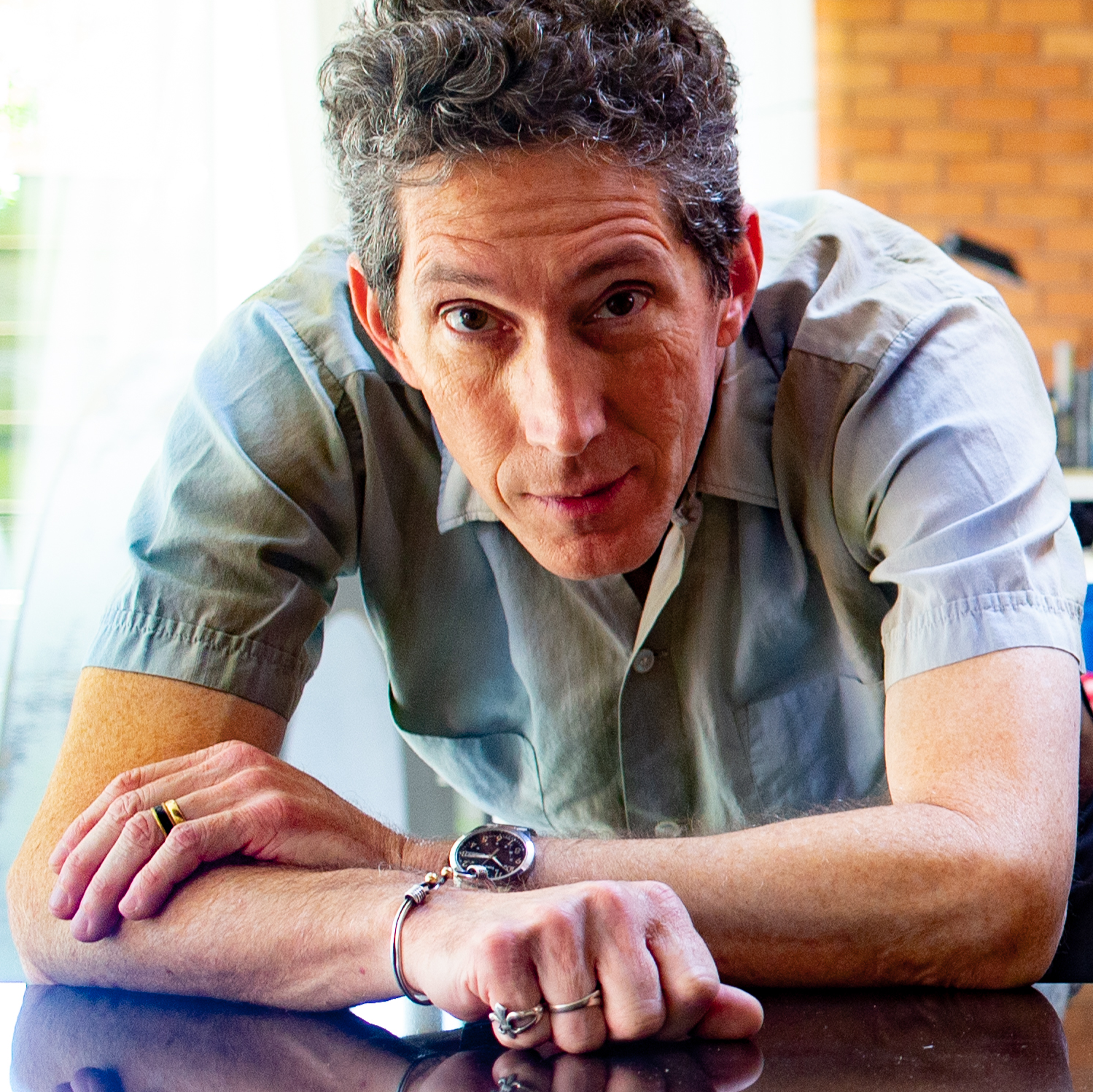
You can fill us in on any others we're leaving out here, but we're going to get into all that and much more. But without further ado, the great Mr. Eric Bolivar. Welcome, Eric.
[00:19:28] Speaker C: Thank you, sir. Thank you, guys.
[00:19:29] Speaker A: Yeah, man. So I've been trying to get you back on for a while here, and you're a very busy guy. It's been nuts, you know, you. And. And for anybody that wants to go back and hear the original one, that was podcast number 181. It came out on December 2nd of 2021, I think it was.
[00:19:49] Speaker B: Oh, man. Bring Back the Pandemic,
[00:19:53] Speaker A: his favorite time.
[00:19:55] Speaker B: It was great.
[00:19:58] Speaker A: And we don't want to go back over all that material, but just to give some people context of. Of.
[00:20:03] Speaker B: Of.
[00:20:04] Speaker C: Look at you with your notes prepared.
[00:20:06] Speaker A: Oh, man.
[00:20:06] Speaker C: Look organized.
[00:20:07] Speaker A: I got them all. I got them all numbered and dated. So when I. When I looked up. What.
What show you. You Were on the first one, I saw the. The date and I could just go back and it took me like one minute.
[00:20:18] Speaker C: That's impressive.
[00:20:18] Speaker A: Actually about 15 seconds to find this and yours. I have my original notes and. But so you're not from New Orleans just to. Not originally bring the people back. You're from the. The Bay Area?
[00:20:29] Speaker C: Originally from the Bay Area.
[00:20:30] Speaker A: San Jose.
[00:20:31] Speaker C: San Jose and San Mateo.
[00:20:32] Speaker A: Okay.
[00:20:33] Speaker C: Kind of equal parts more in San Jose.
[00:20:36] Speaker A: But you grew up in a musical family you have now? I couldn't remember exactly. I didn't listen to the podcast. But you, you have other uncles and
[00:20:45] Speaker C: uncles, my mom, my dad, cousins on both sides, actually.
[00:20:50] Speaker A: Yeah.
[00:20:52] Speaker C: So, yeah, there's a lot of music. Case in point, last week was Celebration of Life from my Uncle Mel and everybody on stage, but one person was part of the family.
[00:21:04] Speaker A: Yeah.
[00:21:05] Speaker B: So were you home birthday?
[00:21:07] Speaker C: No, I was not home.
[00:21:08] Speaker B: You were homeschooled?
[00:21:09] Speaker C: I was not homeschooled.
[00:21:11] Speaker B: You were a homeboy, though? Yes, I'm a homeboy in the Bay Area.
[00:21:15] Speaker C: Bay area. Born in El Camino Hospital, Mountain View, California.
[00:21:18] Speaker B: Oh, Mountain View. Okay.
[00:21:19] Speaker C: South Bay.
[00:21:20] Speaker B: Yeah. That's all right.
You're all right.
So.
[00:21:25] Speaker A: So you grew up playing drums from a very early age, studying music, studying with family members and also getting.
[00:21:33] Speaker C: Getting pointers, you know, from family members and had a little bit of private instruction when I was little, but just enough snare drum basics and stuff like that. But I was already playing set, kind of trying to figure it out on my own.
[00:21:45] Speaker A: Okay.
[00:21:45] Speaker C: Again, with help.
[00:21:47] Speaker A: Yeah. Because there was a drum set around that.
[00:21:49] Speaker C: Well, my Uncle Brad. My Uncle Brad actually gave me his old drum set.
We flew from. From Maryland, from Dulles back to SFO with that back in the day when you could actually, you know, get bags and stuff on the plane.
[00:22:03] Speaker A: Oh, okay.
[00:22:04] Speaker C: I still remember to this day the hardware coming in a. I think wrapped in a blanket.
[00:22:08] Speaker A: Yeah.
[00:22:08] Speaker C: And taped up, you know, coming down the conveyor belt.
[00:22:12] Speaker A: Nice.
[00:22:13] Speaker C: But yeah, so I've had my first drum set. I was actually.
I might have even said this on the first podcast.
My very first vivid memory. That's not kind of cloudy. And you know how that goes when you're a kid.
[00:22:29] Speaker A: Sure.
[00:22:30] Speaker C: Very first vivid memory is my first drum set coming through the door on Christmas day.
My. Our next door neighbors, Dear and Daddy Doe, rest in peace, were basically like a second or a third pair of grandparents.
They got me a Bugs Bunny drum set when I. When I was four.
[00:22:49] Speaker A: Okay.
[00:22:49] Speaker C: I think I was four with three. Or actually maybe even three going into four.
[00:22:53] Speaker A: Plastic heads.
[00:22:53] Speaker C: Yeah, with exactly plastic heads.
[00:22:55] Speaker A: Right, right, right, right.
And, well, so you were very successful young musician.
[00:23:02] Speaker B: You.
[00:23:03] Speaker A: You excelled and. And wound up being part of the. The world championship Santa Clara Vanguard drum line, which was part of a drum and bugle corps corps, which is a whole world unto itself.
[00:23:19] Speaker C: Absolutely.
[00:23:20] Speaker A: I know we talked about this a lot because I'm into it.
[00:23:22] Speaker C: It's so hard to explain to people that. That aren't familiar with that world, but it's the world of pageantry. It's an extension of marching band. Very similar to how gymnastics at the Olympic level work, where it's not affiliated with the school.
These are independent programs that fundraise on
[00:23:39] Speaker A: their own and have a long tradition. A lot of people that were in this and supported them.
[00:23:45] Speaker C: Well, a lot of these actually came out of the VFW and Catholic Charities and churches from way back post.
[00:23:53] Speaker B: Do they have them here?
[00:23:55] Speaker C: There was.
[00:23:56] Speaker A: Yeah. When I was. When I was in school, there was kids that. That played in the. In. In that.
[00:24:01] Speaker C: You had the Southern Heirs, I believe, that were either in town or somewhere local. I'll have to talk to Craig Klein and some people about that.
[00:24:09] Speaker A: Right.
[00:24:11] Speaker C: But you also had an amazing brand new corps that started in Lafayette, the. The Louisiana Stars that were great right out the gate, which never happens.
They had the, you know, usl, and they had some LSU students too, and people from all over.
[00:24:31] Speaker A: Baton Rouge has tons of schools that turn out great horn players, great players, drummers.
[00:24:37] Speaker C: And they were based out of Lafayette and they wound up folding. Things are so expensive now to run
[00:24:45] Speaker A: those type of youth programs.
[00:24:47] Speaker C: Exactly. It's insanity.
[00:24:49] Speaker A: And you know something of.
When you were on the podcast the first time, you and I had played a number of jobs together. Since then, we've played a whole lot more jobs together.
But you can tell when you're on the bandstand or in rehearsal with people like what their training background is. You'll see some people, they make a lot of noise. They're very distracted or something, or they're not prepared. And then you see other people that don't make any noise until it's time to check your sound or do whatever it is. And then as soon as you're done, they. You stop. And that's something that a band director probably told you, that a lot of
[00:25:25] Speaker C: that comes from marching band and drum corps. Yeah. Like, you shut up with certain decorum. You do not speak until they say relax. You know, if they say relax.
[00:25:35] Speaker A: Right.
[00:25:37] Speaker C: And this is, you know, the highest level, you know, at the, you know, at the Beginning level. And the smaller, you know, organizations sometimes, you know, are a little bit more loose, especially when you have younger.
[00:25:49] Speaker A: Right. Well, you got to start somewhere, but.
[00:25:50] Speaker C: Exactly.
[00:25:51] Speaker A: But the whole idea is that you're bringing, you're instilling discipline to these people and, you know, teaching them how to behave. And like we do the class show and we have all these different singers that come in that we back up and different musicians that cycle in and out. And you can really tell where somebody is coming from by the way they're, how prepared they show up. Like for instance, Michael Mullins, you know, Mark Mullins son.
Mark has led Bonerama for years and years. And Michael grew up watching his father run the band, studying in that way. And so when Michael shows up, he seems like someone who's been playing music much longer than he has because he's carrying that institutional knowledge that's been passed. Absolutely.
Now you have a daughter who's now playing. I imagine that she has that same thing. You talk. So I'm not talking too much.
[00:26:48] Speaker C: Yeah, no worries.
She reminds me of me and she had to in a lot of ways. But specifically to what you were saying, natural leader, but doesn't necessarily want to be the leader.
[00:27:05] Speaker A: Right, yeah. In the absence of someone else doing the job, she will do it.
[00:27:09] Speaker C: She will jump in. Right, right. That's. That's so much. Reminds me of me.
I always.
The blueprint I thought I was going to have. Here's how my life is going to, you know, when you're younger, this is what's going to happen in my life. By this age I'm going to have this and by this age I'll have that.
I always thought I would be in
[00:27:27] Speaker B: some band still doing that.
[00:27:29] Speaker A: Sure. Yeah, exactly.
[00:27:30] Speaker B: I haven't succeeded. What Exactly. I thought I'd be done with this show three years ago. I'm still here, you know.
[00:27:40] Speaker C: Thought you'd be in a big old, you know, pimped out studio by now or done.
[00:27:45] Speaker A: I'd be in the ground by now. Right.
[00:27:48] Speaker C: Or that.
[00:27:49] Speaker B: Do you live here?
[00:27:50] Speaker C: I live here.
[00:27:51] Speaker B: Where do you live?
[00:27:52] Speaker C: I've lived here for.
[00:27:53] Speaker B: Oh, it'll be.
[00:27:54] Speaker C: Wow. It'll be 22 years. Is that right? Yes, 22 years. Next Thursday.
[00:28:00] Speaker B: Oh, wow.
[00:28:01] Speaker C: Because I drove in straight to a rehearsal basically for jazz for Jazz Fest.
Theresa Anderson.
[00:28:07] Speaker A: Oh, right, right, right.
[00:28:09] Speaker C: At the old Fountain Blue.
[00:28:12] Speaker A: Oh, yeah. Old rehearsal studios. Fountain Blow Hotel. Fountain Blow, Fountain Blue, whatever. I don't know, you know, New Orleans pronunciation.
[00:28:25] Speaker C: Blow.
To answer your question, I'm now in the Broadmoor oh, we got kicked out of our house. Right. By Tulane. Because Tulane actually bought the house.
[00:28:35] Speaker B: Oh, by the frost top.
[00:28:36] Speaker C: Exactly. Across across the street from real. Across across Claiborne. Right on.
[00:28:41] Speaker B: I'll tell you one thing, man.
[00:28:42] Speaker C: Three houses from the fence.
[00:28:44] Speaker B: You know, they say you can't. Yeah. You can't fight City all. You can't fight. Tulane cannot fight.
[00:28:48] Speaker C: Too late.
[00:28:49] Speaker B: They're going to fucking win.
[00:28:51] Speaker C: And of course, they haven't done anything with it. I was.
[00:28:53] Speaker B: Not yet. I was really hoping someone in court going, who wants to sue, you know, because there's always like our friend, a former guest, Deborah Howell, who's always on some bandwagon to fight this or that. Yeah. She's not going to win.
[00:29:06] Speaker A: Fighting the.
[00:29:07] Speaker B: Yeah.
[00:29:08] Speaker A: Doubles to dorms.
[00:29:09] Speaker B: Yeah. That was a dorm.
[00:29:10] Speaker C: I thought you were going to say the frost top.
[00:29:13] Speaker B: Well, the historic society here, they want to save everything. Tear it down. Who cares? Okay.
[00:29:20] Speaker A: Sentimental type.
[00:29:21] Speaker C: I come from California. Which is the exact. Which is that.
[00:29:24] Speaker B: Yeah.
[00:29:26] Speaker A: They tore it on.
[00:29:27] Speaker C: We have nothing from the past.
It's just like a mission.
[00:29:32] Speaker B: Pictures or. It's pictures. We got pictures or home movies and stuff like that, you know. Why do you have a scam? There's so many blighted properties are considered historic down here and there's just crack.
[00:29:45] Speaker C: Then let's figure out a way to fix them up.
[00:29:47] Speaker B: Yeah. Let's see if our fearless leader, Moreno can do that, which I don't. She's going to raise your taxes. That's how she's going to do it.
[00:29:54] Speaker C: Let's see what she has to do.
[00:29:55] Speaker B: Let's.
[00:29:56] Speaker A: Oh, man, he's going in hard already. Man. That's sour grapes, Manny.
[00:30:02] Speaker C: Let's give her a chance. She's been in office for 20 minutes. Give her a chance.
[00:30:05] Speaker B: 20 minutes.
[00:30:06] Speaker C: 20 minutes.
[00:30:07] Speaker B: Pulling the string. Since she was on the city council, man, you know.
[00:30:12] Speaker A: Well, let's. Let's go back.
[00:30:14] Speaker B: What about Latoya, man?
[00:30:16] Speaker C: Oh, that's a whole.
[00:30:16] Speaker B: She's crazy. Going nuts.
[00:30:18] Speaker C: That's a three part episode.
[00:30:19] Speaker B: Yeah.
[00:30:21] Speaker A: New charges come down last week against.
It's tough. It's. It's going to be. Who knows? It's. It could go either way. It could.
[00:30:28] Speaker B: I still want to know if she's a. Or a blood.
That's the only thing I still don't know yet.
Because she's from. You know, she lived in Compton for years.
[00:30:36] Speaker C: I did not know that.
[00:30:37] Speaker B: Yeah. She's from South.
[00:30:38] Speaker C: South.
[00:30:40] Speaker B: Straight out of Compton here at nwa, man.
Writing the lyrics for the future of the kids, man.
[00:30:48] Speaker A: You know, well, let's go back a little bit and get you to New Orleans. So to fill the people in, you. You have this very successful career as a. As a student. And. And you.
[00:31:00] Speaker B: You.
[00:31:00] Speaker A: You develop into a. A wonderful young musician. You wind up going out on the road. You. You meet people in. In New York City. Now, is that Pimps of Joytown or. No, it was a cumbia band that you moved to. To New York with.
[00:31:16] Speaker C: No, that. No, that was later.
[00:31:18] Speaker A: Oh, okay.
[00:31:19] Speaker C: That was actually when I moved here. I got that gig.
[00:31:21] Speaker A: Oh, okay.
[00:31:21] Speaker C: Back in New York.
[00:31:23] Speaker A: In New York. Okay. But somehow you.
[00:31:25] Speaker C: Carl. So Carl Denson's tiny universe. Okay, That's.
[00:31:28] Speaker A: That's how you.
[00:31:29] Speaker C: That's right around. That's right around the time, actually. No, that's some of the. Some of the ties to here.
[00:31:35] Speaker A: Okay.
[00:31:37] Speaker C: The first time I came here was to record an album. Not to. Actually, crazily enough, not too far from here. And that was 2000, right. During Jazz Fest.
[00:31:48] Speaker A: Okay.
[00:31:48] Speaker C: And then 2001 came down on tour with Carl Denson and met, funny enough, met Doug Beloat as I sat in at the Funky Butt on a night off.
[00:32:03] Speaker B: Yeah.
[00:32:05] Speaker C: And that between my friend Jason Homan, who was living here and who I was recording with, Doug, and a couple other people I had met, that kind of planted some seeds. I didn't realize how fertile and how serious that was at the time.
[00:32:19] Speaker A: And that's your. That was your first time in New Orleans?
[00:32:22] Speaker C: Jason was the first time recording that album.
[00:32:24] Speaker A: Okay, Right, right, right.
[00:32:25] Speaker C: And I don't know if I said this before on the first podcast, but the first time I stepped.
I took one foot off the jetway at the airport, and I felt something I've never really felt before. I.
[00:32:38] Speaker B: Extreme heat and pain.
[00:32:41] Speaker C: Besides that, just a really strong feeling of.
I don't know what you believe in or whoever's listening, what you believe in or don't believe in, but I felt a very strong something bigger than me moment.
[00:32:56] Speaker A: Resonance.
[00:32:59] Speaker B: It was the plane ancestors.
[00:33:01] Speaker A: Okay.
[00:33:01] Speaker B: Oh, okay.
[00:33:02] Speaker C: I've been here. I'm supposed to be here.
[00:33:04] Speaker B: Oh.
[00:33:06] Speaker A: Destiny.
[00:33:06] Speaker C: Something, you know?
[00:33:07] Speaker A: Yeah, man.
[00:33:08] Speaker C: Something really I can't quite put my finger on.
[00:33:11] Speaker B: But you've been trying to get out ever since, right?
[00:33:13] Speaker C: Trying to leave.
[00:33:15] Speaker A: This doesn't work. It's too late, man. It's too late. Once you had that feeling, right, you were done.
[00:33:22] Speaker C: And the only other place I've had any type of feeling like that has been Brazil.
[00:33:25] Speaker A: Huh.
[00:33:27] Speaker C: Which makes a lot of sense, because that music.
[00:33:29] Speaker A: Right.
[00:33:30] Speaker C: I don't know what you again.
I feel like that music was kind of already in me.
[00:33:35] Speaker A: Yeah.
[00:33:35] Speaker C: If that makes any sense.
[00:33:36] Speaker A: Sure.
[00:33:36] Speaker B: Yeah.
[00:33:36] Speaker A: Absolutely.
[00:33:37] Speaker C: Not saying I'm a master at. At all.
[00:33:39] Speaker A: No, but. But it resonated when you heard. You went.
[00:33:41] Speaker C: Absolutely.
[00:33:42] Speaker A: This doesn't sound.
[00:33:42] Speaker C: This is not the first time I've heard. Yeah, this is familiar. Yeah.
[00:33:45] Speaker A: Right, right, right.
[00:33:46] Speaker C: You know.
[00:33:46] Speaker A: Yeah.
[00:33:47] Speaker C: And I love this already.
[00:33:49] Speaker A: Right, right.
[00:33:51] Speaker C: So that's a long winded way of saying I wound up in New York.
And then through Doug below, on my way to New York, was introduced to Anders Osborne at a festival in California.
[00:34:01] Speaker A: Okay.
[00:34:02] Speaker C: The High Sierra Music Festival. Shout out to High Sierra.
[00:34:04] Speaker A: And this is when you're out on the road with Carl Denson.
[00:34:06] Speaker C: No, I had already been let go unceremoniously.
[00:34:10] Speaker A: Okay.
[00:34:11] Speaker C: From Carl Denson.
[00:34:12] Speaker A: Happens to all of us, man.
[00:34:13] Speaker C: It happens.
And I was playing the High Sierra music.
He's still alive. He's actually.
[00:34:18] Speaker B: I'll kill him for you.
[00:34:20] Speaker A: All right, man. He's really taking a life.
[00:34:22] Speaker C: He will be here next week.
[00:34:25] Speaker B: Who is he?
[00:34:26] Speaker C: He founded one of the founders of the Gray Boy All Stars. I don't know if you're familiar with them. He's also now, and has been for a while now, saxophone player with. With the Stones. Rolling Stones.
And he also has his own band.
[00:34:40] Speaker B: They're still playing the Stones.
[00:34:42] Speaker C: Yes.
[00:34:42] Speaker B: Apparently. Apparently it's over.
[00:34:44] Speaker C: Apparently they're on their last.
[00:34:46] Speaker B: No, it's over. Keith can't last tour.
Keith can't even pick up a guitar, his arthritis is so bad. That's done.
[00:34:54] Speaker C: That's too bad.
[00:34:55] Speaker A: He's done sounded good last time he was here.
[00:34:57] Speaker B: He's gonna. He's gonna take over as Captain Sensible of the dam. Because last time I saw this Keith on stage, he was dressed as Captain Sensible. Crazy going nuts.
[00:35:08] Speaker C: I gotta look that one up.
[00:35:09] Speaker B: Yeah, you gotta look it up. When he was at Jazz Fest, he looked like Captain Sensible.
[00:35:14] Speaker A: Man. Man, I don't wanna. I don't want to startle you, but that chick came in here, she's got
[00:35:18] Speaker C: a. Oh, she's in here now.
[00:35:19] Speaker A: A hood on.
[00:35:20] Speaker C: Oh, she's in here.
[00:35:21] Speaker B: She's gonna wear him down, man.
She's gonna wear him down.
[00:35:26] Speaker A: She's not carrying a blade.
[00:35:27] Speaker C: Come on. Watch out.
[00:35:29] Speaker A: Whip out a razor, man. Like something.
[00:35:31] Speaker B: Yeah. My back's to the door, of all places.
[00:35:34] Speaker C: I don't like that.
[00:35:35] Speaker B: Yeah, yeah.
[00:35:37] Speaker A: Anyway.
[00:35:38] Speaker C: Oh, so. So I was introduced to Anders.
[00:35:41] Speaker A: Right.
[00:35:41] Speaker C: And later on that winter, during a crazy snowstorm blizzard, when they barely got to the gig, I wound up sending in something told me I needed to go down here and go downtown. I was Upper east side at the time and sat in, and he called me a couple days later, said, hey, do you want to play New Year's at the Maple Leaf?
Cool. And somewhere in there, my girlfriend and I that had moved out to New York together had broken up, and I wound up down here. I was like, hey, things are kind of pointing down here. If they don't work out, I can always go back to California.
[00:36:16] Speaker A: Sure.
[00:36:18] Speaker C: So I was touring with him and through a missed.
A missed flight back to New York.
That's another interesting story with Kirk Joseph. Again, I might have talked about that.
[00:36:32] Speaker A: Yeah. I can't remember.
[00:36:33] Speaker C: On the first podcast listen to the show.
Basically, I was leaving my car with Kirk and Vanessa Joseph.
[00:36:40] Speaker A: Okay.
[00:36:40] Speaker C: Because I was staying with them when I was down here, but I leave my car with them. So they had a vehicle, and they'd come and pick me up. When I would come down on the way out, I would. They would ride with me.
[00:36:49] Speaker A: The great Kirk Joseph. Yes.
[00:36:51] Speaker C: Tuba player from Shout out to Kirk Joseph. Dirty Dozen Brass bands forever.
[00:36:54] Speaker B: Did he take care of Kirk Jones?
[00:36:55] Speaker C: Kirk Joseph's background? Yes, he did. Backyard groove. Yes, he did. He took care of her. That's where I learned. Speaking of taking care of my. My car. That's where I learned the word Earl.
[00:37:06] Speaker A: You got to change Earl.
[00:37:07] Speaker C: I had no idea what he was talking about for about five minutes.
[00:37:10] Speaker B: Yeah. When I first moved down here, I had that same problem when I first heard that. What the Are you saying, lady?
[00:37:17] Speaker A: And aluminum ferrule.
[00:37:19] Speaker C: And half and half of missing the flight was because of the phrase, I'm by someone's house.
I'm not at someone's house. I am by someone's house.
[00:37:29] Speaker B: Yeah.
[00:37:29] Speaker C: So trying to get an exact location when he actually are knowing now he had actually told me his exact location. I didn't know that at the time that by meant at.
[00:37:38] Speaker A: You're right.
[00:37:39] Speaker C: Anyway, yeah, that was part of me missing flights. So I say all that to say since I had missed. I was gonna miss my flight. Kirk was saying that he was playing a private party at House of Blues for cool cigarettes.
[00:37:57] Speaker A: Oh, nice.
[00:37:58] Speaker C: With this trombone band, huh?
[00:38:00] Speaker A: Okay.
[00:38:02] Speaker C: Which was Bonorama.
[00:38:03] Speaker A: Right.
[00:38:04] Speaker C: And Russell Batiste. Rest in peace.
The great Russell Batiste was playing drums and was, like, looking over at me, and he said, basically told me, get your ass up here and sit in. So I played with them, and the next thing you know, Mark's calling me for stuff.
[00:38:20] Speaker A: Nice.
[00:38:20] Speaker C: So that started more work you know,
[00:38:23] Speaker A: man, man,
[00:38:26] Speaker C: all the while I'm in a band in New York, back in Brooklyn, called Radio Mundia.
Band. Yes, well, alternative, Latin, all kinds of different styles.
[00:38:36] Speaker A: Sure, sure, sure.
[00:38:37] Speaker C: But where you got the cumbia?
[00:38:38] Speaker A: Right, right, right, right. Yeah. I think I told the story on the first podcast where I called you to sub for the Iguanas. And. And I sent you a couple of videos of somebody playing Kumbia and you sent me back a video of you playing in a cumbia band. I was like, all right, well, I guess you got that coverage.
[00:38:55] Speaker C: Yeah,
[00:38:59] Speaker A: so. So you, you meet all these people in New Orleans, you wind up playing in all these bands.
Let's see, maybe we'll. We'll. We'll save the, the, the. The punchline here, The. The next phase for after our break, I think. Let's take the break.
[00:39:14] Speaker B: Okay, sure. Listen, we're going to take a break now. The nation knows what to do. We'll be right back down the road.
[00:39:25] Speaker A: Old partner, he was looking loaded asking me, you know, he was knocked out and knocked out and on it and he w. Up and down the street singing six months oh Lord, that ain't no sinners singing One year, you know that in no time I got friends sitting on the pound of rock.
So night and night in my head, in my head, in my head $1 million one does 1 million
[00:40:36] Speaker B: love to
[00:40:37] Speaker A: call my own, you know that I would buy they go to prison.
So my friends will have a little home.
And we're back.
Back with Mr. Manny Chevrolet. I am Renee Coleman, back with our guest, Mr. Eric Bolivar.
[00:41:05] Speaker C: Hey. Hey.
[00:41:06] Speaker A: Now, Eric, I know you are familiar with the podcast and the fact that it's a listener supported operation and we have the PayPal and Venmo links there in the show notes of every show as well as the Patreon page link there. You can take all the guesswork out of supporting the podcast. It's been very lonely on the PayPal and Venmo front lately. Yeah, yeah.
[00:41:31] Speaker C: Come on, y'. All.
[00:41:32] Speaker A: We had a. Had a big rush after the first of the year. People made their resolutions, you know, certain, certain long time supporters had. We had a big bump, but then
[00:41:40] Speaker B: it's been because people are broke, man.
[00:41:42] Speaker A: Broke. It's tough. It's tough. I understand, I understand, I understand.
[00:41:46] Speaker B: I'm not even filling up my tank anymore. I can't afford it.
[00:41:49] Speaker A: Sure, sure, sure.
[00:41:50] Speaker B: I'm just putting like eight bucks in.
[00:41:52] Speaker A: I'm filling up the rest with water.
[00:41:53] Speaker C: But anyway, just got back from drop right off my rental Car at sfo.
Thank God There's a Costco right by the airport now.
[00:42:01] Speaker A: Right, right.
[00:42:02] Speaker B: Man, the store smell of spam is everywhere. Oh, yeah, yeah, they're getting real serious.
Dog is jonesing for some Spam.
[00:42:13] Speaker A: Polynesian delights over there.
[00:42:15] Speaker B: World War II spam. Yeah, yeah, yeah.
[00:42:20] Speaker A: Be passing out the Lucky Strike cigarette soon. We got the. Got the tiki drinks from behind the bar.
[00:42:25] Speaker B: A couple of rosy riveters here, too.
That's what they look like.
[00:42:29] Speaker C: Big bands setting up in the corner over there.
[00:42:30] Speaker B: Right, right, right.
[00:42:31] Speaker A: Follow us on social media, Facebook and Instagram, and rate, review and subscribe to the podcast wherever you're listening to it. Give us five stars. Cost you. Nothing helps us a lot. Also, what's. Jazz Fest is coming up, I'm sure, Eric, you're working like crazy.
[00:42:46] Speaker C: French Quarter Fest. Jazz Fest.
[00:42:48] Speaker A: Yes. In fact, no Fest.
[00:42:50] Speaker C: Yes Fest.
[00:42:51] Speaker A: Right, right.
Let's see on. On this coming Thursday at Playing with Len Drury.
[00:42:57] Speaker C: Yes.
[00:42:57] Speaker B: No one's gonna hear this.
[00:42:58] Speaker A: And. Yeah, no, it's coming out on. On that day.
[00:43:01] Speaker B: And then that night, this podcast is coming out on that day. Yeah, yeah, yeah.
[00:43:04] Speaker A: That night I'm playing with Loose Cattle at Carrollton Station. Then the next day, Friday, I'm playing with Loose Cattle at the. At the Jazz Fest. And then the Iguanas and Sunny Landreth that night.
And then next day, Saturday, April 20th, 29th, playing with the Geraniums. Well, that day, they're having Chaz Fest at the Broadside.
[00:43:26] Speaker B: They're re re.
[00:43:27] Speaker A: Reinstituting Chaz Fest. The middle Wednesday there. I don't know. I may be screwed.
[00:43:33] Speaker C: Shout out to Chaz.
[00:43:34] Speaker B: Who cares? You're gonna come back saying, they're all great shows. Everyone loved us. That's what you always say after every one of shows. Everyone loved me. I was the fantastic. It's like he never come back with stories with, like, that of interest. It's like this happened, you know? This happened.
[00:43:51] Speaker A: You want to hear stories of disastrous performances?
[00:43:54] Speaker B: I want to hear about backstage.
I want to hear backstage antics and stuff like that, you know, I want to hear someone.
[00:44:03] Speaker A: You know, man, you're familiar with the phrase what happens backstage stays backstage. You just can't be airing everybody's dirty line. Why not?
[00:44:10] Speaker B: It's a podcast. We're here to entertain people.
[00:44:13] Speaker C: Or we can change the names, maybe.
[00:44:15] Speaker B: Yeah, to protect the innocent, Protect the guilty.
[00:44:18] Speaker A: Yes.
[00:44:19] Speaker B: Just like every show on television is loosely based on something. All right, so you have some.
[00:44:24] Speaker A: Some dates coming up. Well, you're playing with Bone around. You can Scratch all that at Jazz Fest. You're playing with many people.
[00:44:31] Speaker C: Yeah, it'll be L. Jury. I'm playing with Shanty Town Underground. I'm playing with, let's see, Bonorama, of course.
Pimps a Joy of Time.
[00:44:41] Speaker A: Playing at the Jazz Fest.
[00:44:42] Speaker C: No, they're playing at Play with Yourself. Playing with Ourselves. Yes.
[00:44:48] Speaker A: Well, now, now, you brought up Pimps of Joy Time. The. When we did the class show. Carol C.
Yes. She was so cool, man. I really dug her. Yes.
[00:44:59] Speaker C: Super cool.
[00:44:59] Speaker A: Carol C.
Shout out to Carol.
[00:45:02] Speaker C: Shout out to Carol C. All right,
[00:45:04] Speaker A: well, I guess there's enough of that.
[00:45:06] Speaker C: Mitch Woods, Brian Stoltz.
[00:45:07] Speaker A: Oh, okay, nice.
[00:45:10] Speaker C: Some private shows for sure. Oh, Kevin Gulage, possibly Funk Monkey. I'm sitting in for the great Eddie Christmas. All right, I'm doing who.
[00:45:22] Speaker A: Who stood us up on the show two nights in two weeks in a row. Oh, that was it. That was it.
[00:45:26] Speaker B: We.
[00:45:26] Speaker A: We.
[00:45:26] Speaker B: We.
[00:45:27] Speaker A: We quit calling after that. I'm sorry, I can't.
[00:45:29] Speaker C: I'm doing two Hendrix tributes this year. And let's see, what else.
[00:45:33] Speaker A: You're a busy man. So everybody.
[00:45:34] Speaker C: A bunch of people.
[00:45:35] Speaker A: I'll, you know, you can. I'll put Eric's social media contacts in the show notes and you can look up where all of his dates are going to be. Back to you, Eric Bolivar. The great Eric Bolivar. Now, so you're in New Orleans. You're playing with all these bands. You're at the height of your powers going back 10 years. You start having some health issues.
And we talked about this a bit because on the first podcast, you wind up having hereditary polycystic kidney disease. Crazy. And it goes from where you're totally normal function to where you have like 2% function overnight.
[00:46:14] Speaker C: Well, it's, it's a. It's a process, but. Okay, but the. One of the bad things about kidney disease and polycystic kidney disease is that a lot of the warning signs are really subtle. So you can pass them off as, oh, I'm just. I'm run down. Especially with a musician schedule that's different every single day. And, and especially at our level where people are still finding the cheapest flights possible. So you're. Which means you got to be at the airport at 5 in the morning or 4 in the morning after playing a gig until 2:30 in the morning.
And then you're in and running around, run around, run around. And then you play the last gig of the run, and then you're back at the airport at five in the morning. Morning.
[00:46:55] Speaker A: Right, right, right.
[00:46:56] Speaker C: Just to get in. In town in time to play another.
[00:46:58] Speaker B: So it has nothing to do with being a junkie?
[00:47:01] Speaker A: No.
[00:47:02] Speaker C: You would think.
[00:47:02] Speaker B: You would think. Yeah, I would think. Yeah.
[00:47:05] Speaker A: You've never had any kind of drug problems, like.
[00:47:07] Speaker C: No.
[00:47:07] Speaker B: Yeah.
[00:47:07] Speaker C: No. No, thank.
[00:47:09] Speaker B: So is this a genetic thing? Was it passing through your family?
[00:47:13] Speaker C: So to try and not open a deep can of worms or deeper can of worms. It comes from my biological grandfather's side, which didn't really have a whole lot of contact with my mom and I. My mom's dad. Biological dad.
[00:47:32] Speaker A: So you didn't even necessarily know that this was something coming down the path?
[00:47:35] Speaker C: I had no idea.
[00:47:35] Speaker A: Okay.
[00:47:36] Speaker C: That. And that's the issue.
[00:47:37] Speaker A: Yeah.
[00:47:38] Speaker C: If I would have known.
[00:47:39] Speaker B: But your mom didn't have any siblings that had it skipped.
[00:47:43] Speaker C: But this is the problem.
She was an only child from that marriage.
And like I said, that side of the family.
[00:47:50] Speaker B: Yeah.
[00:47:50] Speaker C: Doesn't know us. Doesn't want to know us. Doesn't.
[00:47:53] Speaker B: Right.
[00:47:54] Speaker C: Especially back then when, you know, Catholic marriage, divorce was a. No. No. Swept under the rug.
[00:48:00] Speaker A: Right.
[00:48:01] Speaker C: Not talked about. Right. Long. Long story. Long.
[00:48:04] Speaker B: Yeah. I've been there.
[00:48:05] Speaker C: Yeah.
[00:48:05] Speaker B: I don't talk to family members for years.
Spit on their graves. It's the last time I'll talk to them.
[00:48:12] Speaker C: As my mom always said so eloquently put, you know, there ain't no, like, family.
[00:48:18] Speaker B: Right. Exactly. Exactly.
[00:48:21] Speaker C: So. So you.
[00:48:22] Speaker A: So you. You come down.
[00:48:23] Speaker C: So I'm on. So I'm on tour with Tab and wild. Let's jump forward a little bit. I'm having some issues, but they go away. This is one of the main problems. You start having something go on, oh, that's weird. And. But then it goes away. Okay, Whatever. You kind of brush it off. I'm on tour with Tab and wait.
By this time, I'm cramping in the big muscles, which stop you in your tracks. Like, your whole leg, this freezes. Freezes up to the point where I'm on a bus. I'm on the tour bus, and I get out of my bunk just so. Where my whole right leg just freezes up and I have to dive into the low bunk on the opposite side just to be able to straighten it out and try and stretch and rub
[00:49:04] Speaker B: it and
[00:49:06] Speaker C: deal with the pain, you know, whatever. And also at this point, at the same time, I'm having trouble holding on food.
Like I said, I'm cramping all over, and I cannot possibly sleep enough. I'm at the point where I'm sleeping, exhausted. Yeah. I'm just Always exhausted. I'm sleeping 10 hours. I get up. Do you know your morning ritual? Whatever. You start eating a little bit and hang out for a minute, and then I'm back in bed for five hours.
[00:49:32] Speaker A: Yeah.
[00:49:33] Speaker C: You know.
[00:49:33] Speaker B: God, that sounds cool to me.
[00:49:35] Speaker A: Yeah.
[00:49:36] Speaker C: Back to the pandemic in a way. In a way, it was kind of cool at first when I started losing the weight. That was the other thing. I was losing weight, and I was trying to lose weight, and at first it's like, yo, man, I'm looking. I'm looking kind of. Kind of good.
[00:49:47] Speaker B: Yeah.
[00:49:47] Speaker C: But then it keeps going. You're like, okay, this. Something's up, you know?
[00:49:50] Speaker A: Well, you know, a lot of people when they get sick, I see him and I go, God, he's looking really good.
[00:49:53] Speaker C: Right, right, right, right, right. Man, you look great.
[00:49:55] Speaker B: Tight.
[00:49:56] Speaker C: I can't tell you how many times.
I can't tell you. And then. But then it's okay. This is not me at this point. This is. This is not my doing at a certain point.
So, finally went to the musicians clinic, and after some convincing, because apparently I wasn't saying the right things, I finally said the right combination of things where they did. They drew some blood, and. Which I just did today.
I do weekly labs, and I get a phone call the next day or two days later, and it's the nurse practitioner in a panic, which you never want to hear, right. Saying, eric, are you okay?
Are you okay? I'm like, oh, no. What's. What's up? You need to go to the hospital right now. Your kidneys are failing.
[00:50:46] Speaker A: Oh, geez.
[00:50:46] Speaker C: Yeah. So jump forward to. I'm doing dialysis three days a week. I'm still trying to.
Trying to work. So you.
[00:50:54] Speaker A: So this. This happened ten years ago.
[00:50:56] Speaker C: Ten and a half years ago.
[00:50:58] Speaker A: So. So you're. You're on the road with all these
[00:51:00] Speaker C: bands at the time, and everything stops.
[00:51:03] Speaker A: You're. You're. You're. You have to start getting dialysis three times a week, which takes like six hours per time or something.
[00:51:10] Speaker C: It's five. It's. It's four on the machine. Four and a half at one point on the machine.
Plus it's about. About 20, 30 minutes pre.
[00:51:18] Speaker B: Right.
[00:51:18] Speaker C: Machine and about 20, 30 minutes to get off the machine. So it's about five and a half, six hours at the. At the most. It was. I got it down to five.
[00:51:26] Speaker A: It's like. It's like having a second job. Like a hard second job. Really hard second job.
[00:51:31] Speaker C: Yeah. And I was still gigging. I had to gig. You know, I had touring kind of stopped because people were afraid, you know.
[00:51:40] Speaker A: Well, yeah, it was. It's just. It's so difficult to do for you.
[00:51:44] Speaker C: It's difficult to do the heart. The thing that it took a while to figure out, you know, how to. How to manage everything and get everything just so. Where I wasn't really affecting, you know, the bands around me, you know. You know, so much to, you know, find a groove or whatever. But once I figured it out, it was easy. But the problem was the bigger gigs had stopped calling. It's ease. It's way easier to do dialysis on a bus tour.
[00:52:12] Speaker A: Yeah.
[00:52:13] Speaker C: Than it is on a van tour, which is the irony, because I was. I was still doing the fly van stuff.
[00:52:18] Speaker A: Right.
And I was on a couple of those things where you would have to. We'd go out on the road and you had been trying to book a dialysis appointment for a week or so at anywhere within the region that we were going to be. And you. You could not get a booking.
[00:52:36] Speaker C: Sometimes that would happen.
[00:52:37] Speaker A: And you ultimately went to and played the gig and just went to. You knew you were going to have to do this. And you did just go to the emergency room and show up and say, I need to be dialysis.
[00:52:48] Speaker C: Yeah, that happened a couple of times.
[00:52:50] Speaker A: And on that particular occasion that I'm talking about, you spent all night long in the emergency room. I think the next morning they shipped you to. To another hospital where you then got dialysis during the day. You didn't sleep at all this entire time.
[00:53:08] Speaker C: You finished or dozed off a couple times.
[00:53:10] Speaker A: Yeah, well, yeah, that's not. I don't count that.
[00:53:12] Speaker C: The hospital doze off.
[00:53:13] Speaker A: Yeah, I don't count that.
That's just where you wake up and go, oh, I'm still in this nightmare.
And you show up at soundcheck and you have not been asleep in like 36 hours or something. And you still play the fucking gig like a trooper, man.
But I'm looking at you like, Jesus Christ, this would kill me, man. I don't know how somebody can do this and how, you know, And I've been on gigs with you where, you know, you play the gig great, but at the end of it, you just sit there and you're like, I can't pack up my stuff because I'm so exhausted just from my general. I mean, the fatigue is unbelievable.
So you go through this for 10 years, and I guess during that time you were on the.
[00:53:58] Speaker C: Over 10 years.
[00:53:59] Speaker A: Yeah, right.
For me, I'll just say 10.
[00:54:02] Speaker C: 10.
[00:54:02] Speaker A: It felt like 10 to me.
But no, for.
[00:54:05] Speaker C: It wasn't 11, but it was, it was a long 10. How about that?
[00:54:08] Speaker A: Sure, sure, sure.
And so during that time, you were on the transplant list for some time
[00:54:14] Speaker C: and then off, then off. Because then heart failure.
[00:54:17] Speaker A: Because they have things that if you have comorbidities, they feel like you're not a good risk. We don't want to, you know, which you always will have and which. When you're. And that kind of dialysis. I know people that have not survived that.
[00:54:30] Speaker C: I mean, that's where the heart failure came from. From dialysis, basically.
[00:54:33] Speaker A: But then there's also other dangers, Sepsis involved with dialysis and all. You know, Jeff Sarley didn't make it out of dialysis, you know, so.
[00:54:45] Speaker B: So.
[00:54:45] Speaker C: But you have to be vigilant. That's the other thing. Some people get on dialysis and I don't want to say give up, but they, but they don't change their lifestyle or their diet or whatever the doctors are telling them to do.
It's not at all patting myself on the back. It's hard.
[00:55:02] Speaker A: Sure.
[00:55:02] Speaker C: It's not easy. Especially, you know, you come in. Most dialysis patients are older, so you are beyond setting your ways. So. So if you've done whatever you, whatever your natural routine is throughout your life and then it just gets completely upended. It's. That was actually the hardest part. Like, okay, I can't. When I wake up, I always do this. Now I can't do that.
Granola and a banana. Chopped up banana. Nope. Out. Too much potassium.
[00:55:33] Speaker A: Yeah.
[00:55:36] Speaker C: Just. Just changing your diet is. Is hard enough. And one of the crazy thing is as I was getting sicker and sicker, I was eating healthier and healthier on purpose, trying to eat healthier and healthier.
The irony of that was the things that a lot of the things that I was doing to eat healthier with normal kidney function are really bad.
When you have bad kidney function.
[00:56:02] Speaker A: Right. I remember you telling me, like, all the mineral rich greens and stuff like
[00:56:07] Speaker C: that, dense, leafy greens are the number one thing you need to avoid when your kidneys aren't functioning properly.
[00:56:13] Speaker A: Yeah. Your body can't handle.
[00:56:14] Speaker C: Cannot handle it. Yeah.
[00:56:16] Speaker A: And also I remember being on the road with you that you were under extreme, like fluid restriction.
[00:56:22] Speaker C: Extreme, like 32 ounces max is what you're trying to do. Of all fluids, like people always ask, well, you can drink water. I'm like, no, all fluids.
[00:56:31] Speaker A: Because your, your kidneys aren't. Can't. Can't get rid of the fluid, only through dialysis. Are you really.
[00:56:36] Speaker C: You're getting rid of the fluid and you're getting rid of the toxins that are building up in your body.
[00:56:40] Speaker A: Right.
[00:56:40] Speaker C: That aren't. Aren't being processed because your kidneys aren't functioning properly. And one of. One of the interesting things about this whole. Whole deal was that you learn just how much we do not. The average person doesn't know about the kidney because you learn about everything else growing up and you learn these kidneys look like this and they do this kind of. And then that's it.
[00:57:02] Speaker B: You.
[00:57:02] Speaker C: You know, about three minutes in your.
[00:57:04] Speaker A: Right.
[00:57:05] Speaker C: 12 years of high school or whatever.
[00:57:08] Speaker A: Sure.
[00:57:08] Speaker C: You know, you really don't understand how much. How important they are.
[00:57:12] Speaker A: Oh, yeah.
[00:57:13] Speaker C: They're essential until they're not functioning properly.
[00:57:15] Speaker B: Right. You know, a way to take the show from a really high to a real low.
[00:57:21] Speaker A: Going to.
[00:57:22] Speaker C: We're coming back up. We're at the bottom.
[00:57:23] Speaker A: Up.
[00:57:24] Speaker C: We're at the bottom.
[00:57:25] Speaker B: Bring it down to bring it back up.
[00:57:27] Speaker A: The second act. Yeah, the second act.
[00:57:28] Speaker C: This is the second act. We're bringing it down on purpose so we can finish big.
[00:57:31] Speaker A: That's right.
[00:57:32] Speaker B: Big finish.
[00:57:33] Speaker A: That's right.
[00:57:33] Speaker B: Jes. You know, so you're going to die? Is that the question? No, we're all going to die, man. Yeah, but you're drinking booze right now, so good for the kid.
[00:57:42] Speaker C: Because I can.
[00:57:43] Speaker B: You can drink. Don't.
[00:57:44] Speaker A: Don't give it away. We're getting to that point.
[00:57:46] Speaker B: Getting to the punchline. Oh, so. So.
[00:57:49] Speaker C: Oh, I'm sorry. I'm drinking apple juice.
[00:57:53] Speaker A: So somehow you, You. You work your way out of the heart.
[00:57:58] Speaker C: The heart issues. I finally get my heart function back up to the point where I can get back on the list.
[00:58:02] Speaker A: And. And this took a long time because it was only that you got back on the list like maybe a year and a half ago or something like that. Two years. It wasn't.
[00:58:09] Speaker C: Not even.
Not even.
[00:58:12] Speaker A: So. So just. We're moving forward. Forward.
[00:58:14] Speaker C: So moving forward, I get off the list. Let's say.
Let's say August. Let's say August 15th.
[00:58:20] Speaker A: No, you get. You get back on the.
[00:58:22] Speaker C: I'm sorry. Get back on the. I'm sorry.
Back on the transplant list. Let's. Let's say August 15th of last year. Of last year.
[00:58:31] Speaker B: Okay.
[00:58:32] Speaker C: I get a call days later that they might have a kidney for me.
[00:58:38] Speaker A: Wow.
[00:58:38] Speaker C: And let's jump forward to August 23rd, I believe. 23rd, I get a transplant.
[00:58:44] Speaker A: Wow.
[00:58:45] Speaker C: Yeah. Unfortunately, it took Someone passing.
But the family had decided, you know, she had decided to be a donor. But the. The issue holding up
[00:58:57] Speaker B: gave you that kidney.
[00:58:58] Speaker C: That is not. I do not know yet. I know as much as it's because
[00:59:02] Speaker B: there are certain people, I wouldn't want their kidney.
[00:59:05] Speaker A: You know, they must have some kind of screen.
[00:59:07] Speaker B: You have your two or you just have one one.
[00:59:09] Speaker C: No, I have three.
[00:59:10] Speaker B: You have three kidneys?
[00:59:11] Speaker C: I have my original two. Oh, and the new one.
[00:59:14] Speaker B: And where they put that. That's like a pig heart.
[00:59:16] Speaker C: Another thing. Another thing that most people don't realize. They do not remove the other two. Just in case your body refuses the new one. The new one, because if.
[00:59:27] Speaker B: If you take off the other one,
[00:59:29] Speaker C: they crammed it in over here.
[00:59:31] Speaker B: Really?
[00:59:32] Speaker A: Like next. Next to the. The other one?
[00:59:35] Speaker C: Basically, yes. Yeah. Basically crammed it right in.
[00:59:37] Speaker A: You got two on the right.
[00:59:39] Speaker C: They take the tube out of one and stick it in the other.
Yeah, connected. Connected to the urethra and all the. All the bladder and everything else.
[00:59:47] Speaker A: Right.
[00:59:50] Speaker C: To get back to your question, I know it's someone from the North Shore. I know they had some type of accident. I'm assuming car accident, but I don't know.
[00:59:59] Speaker B: Okay.
[01:00:00] Speaker A: Oh, the donor.
[01:00:01] Speaker C: The. Yes, the donor.
[01:00:02] Speaker B: So they had their license. I'm giving away my.
[01:00:05] Speaker C: Yes.
[01:00:06] Speaker A: God bless them, man.
[01:00:07] Speaker C: Seriously. God bless them.
[01:00:08] Speaker B: And I would never do that.
[01:00:11] Speaker A: Oh, well, don't say that. We're trying to encourage people. In fact, I was going to say, I have a note here. If you want to talk about the organ donation, give a shout out to the kidney health community.
[01:00:24] Speaker B: No one wants my kidneys.
[01:00:26] Speaker A: No, that true.
[01:00:27] Speaker B: Yeah. No one wants my kidneys, my liver, my heart. Especially my heart. They don't want my heart.
[01:00:32] Speaker A: You know, black is coal.
[01:00:34] Speaker B: Yeah.
[01:00:35] Speaker C: But if you want to donate and. And your religion or your beliefs or whatever allow you to do so, please look into doing so, please.
[01:00:44] Speaker A: Yes.
[01:00:45] Speaker C: There are so many people on the waiting list and so many people die waiting for your gig.
[01:00:50] Speaker B: You're on the waiting list to get in, right?
Is that it?
[01:00:54] Speaker A: Okay.
[01:00:54] Speaker B: I'm on the list, man.
Studio 54.
Yeah, I'm on the guest list, man.
[01:01:00] Speaker C: Except the guest list isn't life or death. Hopefully.
Hopefully.
[01:01:04] Speaker B: Right, Right.
[01:01:05] Speaker A: But, man, so. So it all happened quick.
[01:01:08] Speaker C: And it was, I mean, maybe five days of being on the list, and a lot of that was because.
[01:01:13] Speaker B: Or.
[01:01:14] Speaker C: Or it is because.
Thankfully, you don't lose the time when you're kicked off the list for, you know, the reasons. I was kicked off.
[01:01:21] Speaker A: Oh, okay.
[01:01:21] Speaker C: I was still accruing time.
[01:01:23] Speaker A: Oh, nice.
[01:01:24] Speaker C: Now, I don't know if you're, if you drug yourself into off the list or drink yourself off the list. You still crew that time or how that works.
But I was still accruing time. So basically when I got back on the list, I was at the very top.
[01:01:36] Speaker A: You hadn't lost your spot in one line.
[01:01:38] Speaker C: I was very, very top. Because it had been so long. It been over two, ten and a half years.
[01:01:41] Speaker A: Yeah, yeah, yeah.
[01:01:43] Speaker C: So five days later I'm getting. I'm on a gig on Bourbon Street.
Of course, the longest gig possible is when they're trying to call me. Of course.
[01:01:52] Speaker A: Like a five hour gig.
[01:01:53] Speaker C: Six.
[01:01:54] Speaker A: Six. Oh, Jesus.
[01:01:55] Speaker C: And not including the breaks, then it's like seven or something like that. Yeah.
But yeah, I look down, I happen to look down at my phone at some point and I have four or five missed calls.
A couple from an unlisted number or unknown number. And the rest were all emergency contacts.
[01:02:14] Speaker A: Wow.
[01:02:15] Speaker C: So I'm like, okay, something's up. All my emergency contacts, you know. So I look down in between songs where they try. They're trying to figure out what song to play next. I'm listening to a quick voicemail. I'm like, guys, I gotta take this. And I run out the door. And the guitarist. Thank you, Tim Robertson, for playing drums for a couple songs. By the way, shout out to Tim.
[01:02:34] Speaker A: Yeah, we love Tim.
[01:02:36] Speaker C: I run out the door and, you know, hear the spiel. They, hey, we, we need you to call us. We think we have a kidney for you.
A couple days later, I'm in the hospital and it, it took a while. They thought I was going to get it that day. It took until the. Early the next morning.
[01:02:51] Speaker A: Those things keep for a couple of days, huh?
[01:02:53] Speaker C: Yeah, they do. But, well, it actually, it, it hadn't showed. The organ hadn't shown up yet.
[01:02:57] Speaker A: Okay.
[01:02:57] Speaker C: They were waiting for the family to all get together and say bye.
[01:03:00] Speaker A: Right.
And the kidney, the person was still. Must have been in a vegetation.
[01:03:05] Speaker C: They were on a respiratory machine. Yes, they were. They were being kept alive by machines. So they were waiting for all the family to get there to say bye and take them off the machine again. Rest in peace, whoever you are. I love you and thank you, thank you, thank you, thank you, miracle man. And thank you to the family.
I'm going to reach out again and try and see if I can meet them, do something.
[01:03:29] Speaker A: I'm. I'm sure they would be thrilled, man.
[01:03:31] Speaker B: I'm sure that, that, you know, until they Met you. Well, okay.
[01:03:36] Speaker C: Who's this guy?
[01:03:39] Speaker B: You're the one.
[01:03:40] Speaker C: You're the one that got the kidney.
[01:03:43] Speaker A: Give it back.
[01:03:43] Speaker C: Can we take it back? Can we have a surgery to get it back? Can you imagine? That was legal.
[01:03:48] Speaker A: Holy moly.
[01:03:49] Speaker B: Well, it is in Vegas.
People are nice in Vegas. In every motel off the Strip, man.
[01:03:58] Speaker C: That's a. That's another nightmare.
[01:03:59] Speaker B: Yeah, man.
Good times.
[01:04:02] Speaker A: Yeah. I'm lucky it hasn't happened to me some nights in a tub of ice.
[01:04:09] Speaker C: Yeah. Tub of ice.
[01:04:10] Speaker B: Right.
[01:04:11] Speaker C: Yeah. So I'm. I'm very.
[01:04:13] Speaker B: Now, do you like cubed ice or shaved ice?
[01:04:16] Speaker C: It depends on what we're. We're having.
[01:04:19] Speaker B: Like. Okay, so if you're having a cocktail, like, you have it now, is it just regular shaved cube cubes or crushed?
[01:04:26] Speaker C: Or if you want to get super bougie. That one. Big, big, giant.
[01:04:32] Speaker B: I like the huge cube. I do. I like that. Huge.
[01:04:35] Speaker A: Yeah, it doesn't melt as fast.
[01:04:38] Speaker B: Yeah.
Well, in plastic, it might be super dense. Yeah. I love the big cube. Yeah.
[01:04:45] Speaker A: So then you were faced with the recovery.
[01:04:48] Speaker C: The recovery was interesting to say.
[01:04:50] Speaker B: Okay.
[01:04:52] Speaker C: Going from, you know, being completely independent to needing for the first little bit, needing help with everything.
And thank God my. My dad and I can't call her my stepmom. My bonus mom.
[01:05:08] Speaker B: Okay.
[01:05:08] Speaker C: Who is a former retired nurse.
[01:05:10] Speaker A: Right.
[01:05:11] Speaker C: Thank God.
Who is absolutely on the case and the. The median between, you know, all the different factions of Tulane. The. The trans post transplant coordinator and the doctors and the pharmacy and the.
[01:05:27] Speaker A: Right. Because it's a lot.
[01:05:28] Speaker C: It's a lot. That's a lot.
[01:05:29] Speaker A: And you're. You're in.
[01:05:30] Speaker C: You're completely out of it.
[01:05:32] Speaker B: Yeah. Yeah.
[01:05:32] Speaker A: You're under the weather.
[01:05:33] Speaker C: Completely out of it. I was. You know, once you get out of the hospital, like, I'm barely able to walk.
Barely. You know, like, just making a lap around the nurse station and the. The. The. I guess the intensive care unit.
[01:05:51] Speaker A: Right.
[01:05:51] Speaker C: Or the transplant post transplant unit. It's not very big, but just making a lap around that is doing something.
[01:05:58] Speaker A: You're exhausted.
[01:05:58] Speaker C: Yeah, absolutely. Okay. I'm done. I'm going back on road. And then a couple days later, I made two laps and to the point where, you know, it's. It's such a big deal. You know, the nurses are all clapping.
[01:06:08] Speaker A: Yeah.
[01:06:08] Speaker B: Now, how's your urine?
[01:06:11] Speaker C: Okay. We need to back up.
[01:06:12] Speaker A: Yeah.
[01:06:13] Speaker C: For that. We need to back up.
[01:06:14] Speaker A: I want to talk about.
[01:06:15] Speaker C: So.
So that's a very good point because for. For ten, nine and a half years, I was not producing urine.
[01:06:24] Speaker B: Okay.
[01:06:25] Speaker C: So all of a sudden, you have to go to the bathroom.
[01:06:29] Speaker B: Yeah.
[01:06:30] Speaker C: And your bladder has shrunk from its full adult size.
[01:06:34] Speaker B: Yeah.
[01:06:34] Speaker C: Stretched out adult size to.
Let's say. Let's say it's small as possible.
[01:06:42] Speaker A: Holds a couple of thimbles.
[01:06:44] Speaker C: Right. So all of a sudden, when you have to go, you have to go right then there.
[01:06:50] Speaker A: And it doesn't take long.
[01:06:51] Speaker C: You cannot hold it at all.
[01:06:53] Speaker A: Yeah.
[01:06:53] Speaker C: Like, the second you feel anything, you. You have to go.
[01:06:56] Speaker A: Right.
[01:06:56] Speaker C: It's not like, you know those long drives. Right. I can wait another 45.
[01:07:00] Speaker A: Can you make it another 10 miles? Nope, I can't make it another 10 seconds.
[01:07:03] Speaker C: Exactly. Nope. We are stopping now. And that was the thing I was most worried about coming back. That I was gonna be on gigs and have to have a.
Have a cup or a bottle or, you know, something on stage with me.
[01:07:18] Speaker B: That's cool. That's punk rock, man.
[01:07:20] Speaker C: Super fun cry.
[01:07:21] Speaker B: Yeah.
[01:07:22] Speaker A: Thankfully, in fact, I contacted you about coming on the podcast shortly after your surgery, and you explained that I'm not ready to do it yet because of that very thing.
[01:07:34] Speaker C: I'll have to stop midway, and I gotta go.
[01:07:37] Speaker B: I do it all the time on this show.
[01:07:39] Speaker A: Yeah.
So I know, you know you were on liquid restriction.
[01:07:46] Speaker C: Oh, yeah, yeah, yeah.
[01:07:47] Speaker A: A great relief beef to not be on there.
[01:07:49] Speaker C: Not only that.
[01:07:50] Speaker A: Yeah, go ahead.
[01:07:51] Speaker C: Not only am I not on liquid restrictions and fluid intake restrictions, now it's. I must drink at least 2 liters of water in addition to whatever else I'm drinking.
[01:08:03] Speaker B: At least. So I'm like, yeah, 2 liters is how many ounces?
[01:08:06] Speaker C: Oh, Lord.
[01:08:07] Speaker B: 36.
[01:08:08] Speaker C: Let me get the map.
More than that. Yeah, definitely more than that.
[01:08:12] Speaker B: Because I was told by my doctor
[01:08:16] Speaker A: that the Troubleman podcast position.
[01:08:19] Speaker B: Well, you should drink in ounces, half your weight. So I weigh 140. I weigh 140.
[01:08:29] Speaker C: Wow.
[01:08:30] Speaker B: So I'm supposed to drink at least 70 ounces of water. Okay.
[01:08:33] Speaker A: That's.
[01:08:33] Speaker B: No way. That's insane.
But it's true. But it's true. I can only do about 40 to 45. Gotcha. I can't do.
[01:08:41] Speaker C: Yeah, you have to. Basically, I have to have a water bottle.
[01:08:43] Speaker B: I have alcohol.
I have alcohol, too. And milk. I love my milk. And Bosco, you know? So I can only do so many ounces, but apparently that's the way it's supposed to be, Right? I don't know.
[01:08:56] Speaker C: Yes. To the point where I.
[01:08:57] Speaker B: Someone like you who has three kidneys, you could probably drink more.
[01:09:01] Speaker C: I'm drinking a Lot more. And then also the flip side of that is I have to go a lot, which is.
[01:09:08] Speaker B: Yeah.
[01:09:08] Speaker C: Which is still a new thing.
[01:09:09] Speaker B: Yeah.
[01:09:09] Speaker C: You know, like the whole standing at the urinal, you know.
[01:09:13] Speaker A: Yeah, yeah.
[01:09:14] Speaker C: It's still kind of new.
[01:09:15] Speaker B: You wash your hands a lot.
[01:09:18] Speaker C: Because I have to.
[01:09:19] Speaker B: Yeah, you have to wash your hands.
[01:09:20] Speaker A: Right.
[01:09:20] Speaker C: Because I'm immunocompromised.
[01:09:22] Speaker B: Right.
[01:09:22] Speaker C: I have to be extra diligent.
[01:09:24] Speaker A: That's another good point. So. So in order to, to go through this, you, you have to have be on medication that suppresses your, your immune system. Yeah. So it's. So you don't get rejection issues.
[01:09:35] Speaker B: Well, you know, I know someone who, who's a little older than us. He's like, I think he's like almost 70. He takes medication to stop him from waking up in the middle of night and having to pee constantly.
[01:09:48] Speaker C: I go at least two or three times.
[01:09:50] Speaker B: Yeah, he's doing it three times. And he's got some medication now where it's basically like he just lets him sleep.
[01:09:56] Speaker C: Gotcha.
[01:09:56] Speaker B: And when he gets up, then he fucking, you know, he's like the Hoover Dam, I bet. You know, he's like the Niagara Falls or whatever, that kind of thing.
But.
Yeah, so. Well, I'm glad you're okay.
[01:10:08] Speaker C: Thank you. Thank you. I feel great and I'm blessed and I'm truly grateful and it mostly, you know, that my daughter has a dad.
[01:10:20] Speaker B: Yeah.
[01:10:21] Speaker A: And I was going to say, during all this time, not only are you playing gigs, you're a full time parent. You're driving your daughter around, who has a burgeoning music career of her own.
[01:10:32] Speaker C: She's sometimes busier than me and you're
[01:10:35] Speaker A: running around, you're, you know, like, you know, stage mom. You're.
It's crazy, man. And I've told you before, it boggles my mind. It would have killed me, man. I have so much admiration for you that not only have you done all this, but you do it without complaint, you do it without feeling sorry for yourself. Maybe it's times, you know, and you're
[01:10:57] Speaker C: trying not to let it show.
[01:10:59] Speaker A: It doesn't. You've succeeded, man. No, it's, it's. And I'm guessing that that's probably part of why you have been successful is a positive attitude, not feeling sorry for yourself, man.
[01:11:11] Speaker C: Also, this is in a funny way, I was just talking to a buddy of mine about this middle school, high school marching band and drum corps buddy of mine and he said, I bet you heard some of our instructors. He named A couple people, I'm like, absolutely. That pulled me through this.
[01:11:30] Speaker A: Yeah.
[01:11:31] Speaker C: That. One of the things I was taught during drum corps and especially on that tour when the Southern tour ended up in Mississippi, World Championships were in Jackson, Mississippi in the middle of August, for some reason.
[01:11:45] Speaker A: Sure.
[01:11:50] Speaker C: Where you just didn't have any more to give.
And that one particular instructor, we call him Chief, but Robert Chavez, Shout out and Myron Roseander, those two particular. But the entire staff, all of them just showed you and gave you energy and also showed you you have more than you ever thought you. You have or could do or more energy and more power and more, more. You have more to give.
[01:12:22] Speaker A: Right.
[01:12:24] Speaker C: And how to dig deep and find that extra gear or find that extra level of fuel or whatever it is that the tenacity that you need to find to get through, you know, adversity, you know.
[01:12:37] Speaker A: Yeah, man.
[01:12:39] Speaker C: And I.
[01:12:40] Speaker A: Invaluable.
[01:12:41] Speaker C: Absolutely. And not everybody gets to learn that. Like I can only imagine, you know, people at boot camp or something, the shock of I can't do any more push ups or I can't run any further. I can't, I can't.
You know, they get that, that word taken out of their vocabulary.
[01:12:57] Speaker A: You know, what do they say? Pain is just a sensation of, of weakness leaving the body. Right, right.
That's very true.
[01:13:08] Speaker C: Right. I actually was told when I, when my catheter was pulled out of me, which is a really bizarre sensation, actually. Not that, but that was weird. But the stent getting taken out, which also comes through.
[01:13:22] Speaker A: Okay.
[01:13:25] Speaker C: Eventually you have a really low tolerance for pain. And I was like, thanks, I guess
[01:13:34] Speaker A: how to respond to that.
[01:13:35] Speaker C: Yeah, right.
But again, I think it comes back, back to, you know, learning, you know, that you have more and you can take more. And not that I want to always, you know, have to endure more, but, you know, I knew this was going to be hard, but I knew I had to, had to stay here.
[01:13:53] Speaker A: Right.
[01:13:53] Speaker C: There's, there's besides for me, you know, for my daughter.
[01:13:57] Speaker A: Right.
[01:13:57] Speaker C: More importantly for her, you know, and that's one of the.
Not to get existential or whatever.
One of the things that happened when she was born, that was the first thing they talk about this. All comedians talk about it and authors talk about. Everybody talks about this. But the second she was born, it was like, okay, I knew this already, but now it's really instilled in me. I have to be here.
[01:14:19] Speaker A: Your priorities change.
[01:14:21] Speaker C: Absolutely. I have to stay here. Yep. Not that I was ready to go. I'm not ready to go.
[01:14:25] Speaker A: I was ready to go until mom was born. It really saved my life.
[01:14:31] Speaker C: But you know what I'm. You know what I'm saying? It's like. It's like the second she was born, it was like, okay, I. I have to be here at least to get her.
[01:14:41] Speaker B: I said, hopefully. Hopefully down the aisle with my daughter. Now she wants something to do with me.
[01:14:45] Speaker C: Oh, no.
[01:14:45] Speaker A: Yeah, That's a phase.
[01:14:47] Speaker C: How old is she still?
[01:14:48] Speaker B: She's 22 now.
[01:14:50] Speaker C: She's still young.
[01:14:50] Speaker A: Yeah, yeah.
[01:14:51] Speaker C: She'll come back around.
[01:14:52] Speaker B: Yeah, yeah, she'll come back. I don't care.
[01:14:54] Speaker C: Yeah, you do. Come on.
[01:14:55] Speaker A: Now, about now, he doesn't ask to
[01:14:59] Speaker B: borrow money, so what do I care?
Let me ask you a question.
[01:15:03] Speaker A: Okay.
[01:15:05] Speaker B: Would you rather be a homophobe or have aids?
[01:15:08] Speaker C: Aids?
[01:15:08] Speaker B: You would rather have AIDS and be a homophobe? Okay, so I ask this question a lot.
[01:15:13] Speaker A: Yes. I'm going to go the other way.
[01:15:14] Speaker B: Yeah, I think he. Well, I already asked you that question, you know. Yeah.
[01:15:18] Speaker C: Especially, you know, growing up the way I grew up and around all kinds of different people and all kinds of different.
[01:15:24] Speaker B: Yeah. In the Bay Area, babe.
[01:15:26] Speaker A: Yeah. No, I have no problem with gay people. I'm just saying if I. If I had to. Push comes to shove.
[01:15:32] Speaker C: I got you.
[01:15:33] Speaker B: He loves gay people.
[01:15:35] Speaker C: I'd rather.
[01:15:36] Speaker A: Those are my people, man. Yeah, I guess nowadays they have, you know, you can. They have drugs. It's medical science. This is crazy somehow.
You know, people say, when would you have liked to have lived? Any time in history.
And somebody asked this to Lynn Drury not too long ago. And she was recalling it, she goes, I'm a woman now, right? This is the best time for me now.
[01:16:02] Speaker C: Black person in America now.
[01:16:03] Speaker A: Now. Yeah, yeah, yeah, yeah.
[01:16:04] Speaker B: Right.
[01:16:05] Speaker A: Anybody who's sick now.
[01:16:06] Speaker C: Exactly. Yeah, exactly.
[01:16:09] Speaker A: Anyway.
[01:16:10] Speaker B: Well, not for us.
I wouldn't say now.
Not for me.
[01:16:15] Speaker C: It's all relative to where you live and how you live and all that stuff, of course, but in the United
[01:16:20] Speaker B: States right now is the worst place in the world. No, we could get into.
[01:16:25] Speaker A: It could be a lot worse.
[01:16:26] Speaker C: We could get into all that. But it is weird right now.
[01:16:29] Speaker B: Yeah, it's weird.
[01:16:29] Speaker A: Yeah.
[01:16:30] Speaker C: I'm going to just say, putting it nicely. Yeah, no, it is weird.
[01:16:34] Speaker A: It's weird. That's. That goes without saying. Well, Eric, God, man, what a triumphant story. This. This tickles my heart to know and, you know, I'm just so happy that there's a happy ending for someone who deserves one.
[01:16:48] Speaker C: Thank you. Thank you.
[01:16:50] Speaker B: Thank you for being on the show.
[01:16:52] Speaker A: Thank you for having me.
[01:16:52] Speaker B: We got a sticker for. Yes, we have.
[01:16:54] Speaker C: Oh, we got a sticker.
Thank you.
[01:16:58] Speaker A: Plenty more where that came from.
[01:17:00] Speaker C: Thank you.
[01:17:00] Speaker A: And everybody, look for Eric Bolivar out on the. All of his bands. And I'll put the links to his social media up so you'll be able to.
[01:17:08] Speaker B: We should name your kidneys.
[01:17:12] Speaker C: I never even thought of that.
[01:17:13] Speaker B: Yeah, you got three.
[01:17:15] Speaker C: I'm gonna have a. I'm go on Facebook and on the. So on the interwebs.
Social wide interwebs.
[01:17:21] Speaker A: Sure.
To name the new one.
[01:17:23] Speaker C: The name. Name the new one. Yeah.
[01:17:25] Speaker A: I like it.
[01:17:26] Speaker C: That's funny.
[01:17:27] Speaker A: Well, Eric, thank you so much. And as always on the Troublemen podcast,
[01:17:31] Speaker B: we like to thank you.
[01:17:32] Speaker A: We like to say trouble never had the struggle continues.
[01:17:36] Speaker B: Good night.
[01:17:36] Speaker A: Good night.
[01:17:37] Speaker C: Good night,
[01:17:41] Speaker A: J.
[01:17:42] Speaker B: People, come on and listen good.
[01:17:47] Speaker A: We're going to dance.
[01:17:49] Speaker B: Going to do you some good.
[01:17:51] Speaker A: Yeah, you got to pull off your shoes.
You got to pull off your shirt.
[01:17:58] Speaker B: Relax yourself now. Getting ready to do.
[01:18:15] Speaker C: Get nasty,
[01:18:20] Speaker B: You know?
[01:18:24] Speaker C: All right, y', all, let's go. Come on.
[01:20:35] Speaker A: So long.
Ram.
It.