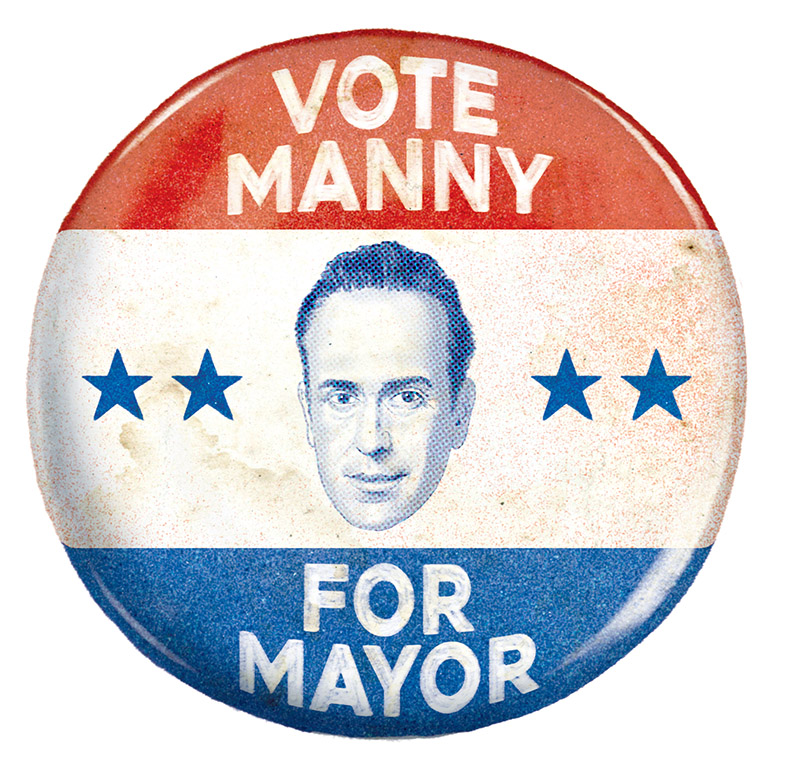
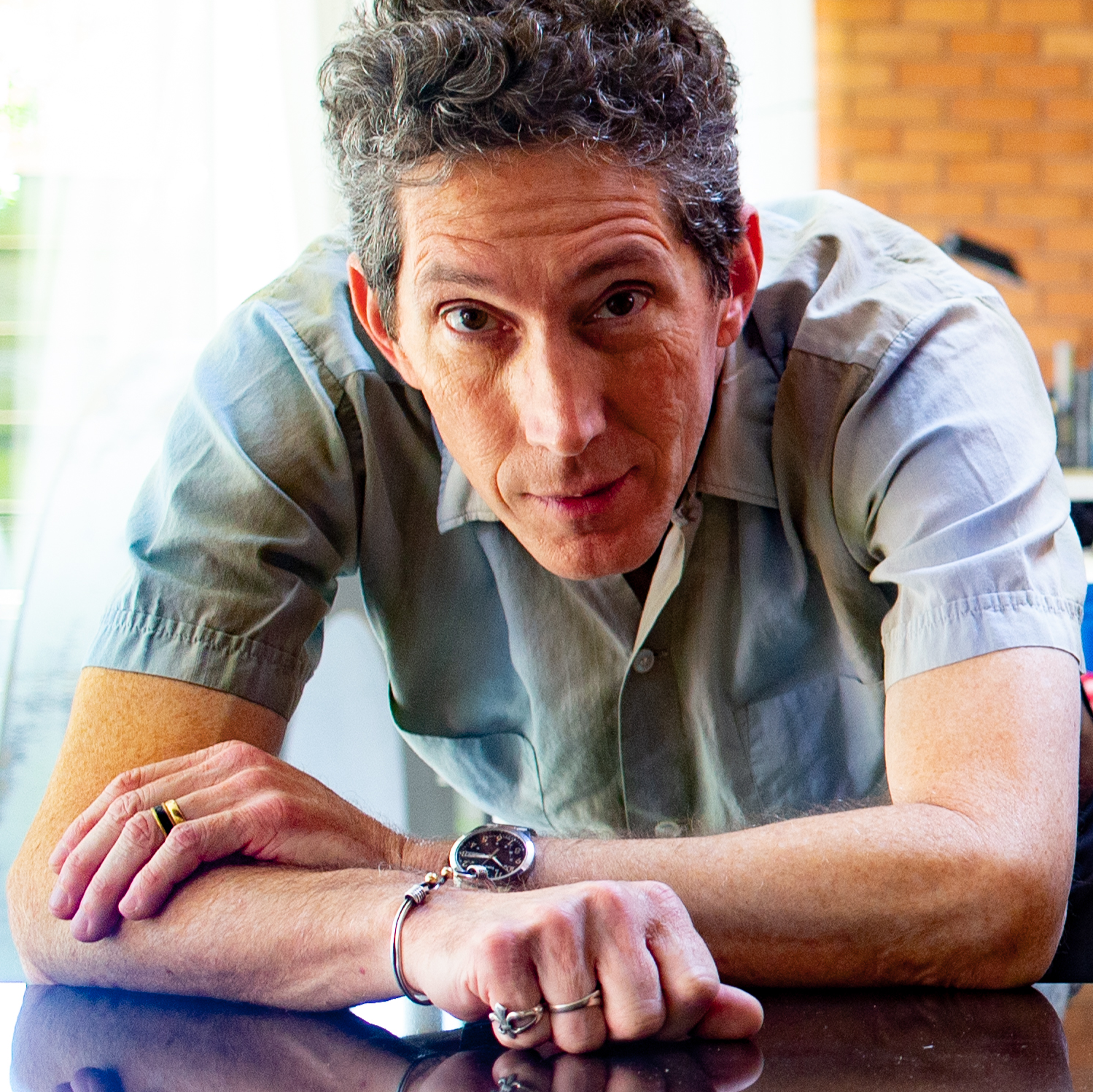
[00:00:15] Speaker A: Greetings, troubled listeners. Welcome back to the Troubled Men podcast. I am Renee Coleman, sitting once again in Snake and Jake's Christmas Club Lounge in the heart of the Clempire with my co host, the original troubled man for troubled times, Mr. Manny Chevrolet. Welcome, Manny.
[00:00:31] Speaker B: Hey, man.
[00:00:32] Speaker C: Rufus and Shaka Khan.
[00:00:34] Speaker D: Yeah, man.
[00:00:35] Speaker A: Yeah, that was, that was so great the first time around. Still good?
[00:00:38] Speaker C: Yeah, they're great. Whatever happened. I know what happened to Shaka, but whatever happened to Rufus?
[00:00:43] Speaker A: I don't know, man. I think those guys. Guitar player probably went on to play with some other people I'm imagining because.
[00:00:49] Speaker C: They were a big. Sitting there for a while and they were married, weren't they?
[00:00:53] Speaker A: I don't know. I think Shaka Khan was maybe like 16 years old when that band man, first hit.
[00:00:58] Speaker C: Oh yeah.
[00:00:59] Speaker A: So hopefully she wasn't married. Although in a certain stage you could be married at 16. Yeah, maybe parental consent.
[00:01:05] Speaker C: I've never met anyone named Rufus before, have you?
I don't think I've met anyone named Rufus.
[00:01:12] Speaker A: Well, I know people named Rufus as a great bass player. Rufus Reed.
[00:01:15] Speaker C: Oh, yeah. Okay. But I don't know anyone named Shaka either. No, no.
[00:01:20] Speaker A: I don't know any Shockers.
[00:01:21] Speaker C: I don't know any Shakas either. But she had a good 80s career because she hooked up with that rapper and they did that song, Shaka Khan.
[00:01:31] Speaker A: That was Prince, right?
[00:01:32] Speaker C: No, that wasn't Prince.
[00:01:33] Speaker A: Oh, I thought that was, that was.
[00:01:34] Speaker C: That New York rapper from the original rapping group, Sugar Hill Gang.
[00:01:40] Speaker A: Oh, okay.
[00:01:41] Speaker C: I forget his name. I think he's dead.
[00:01:43] Speaker A: All right, well, yeah, Chaka Khan had had a long career. She had had, you know, she was performing.
[00:01:48] Speaker C: I mean, well, she, well she started her career at 16, right? No, I mean she's dead right now.
[00:01:53] Speaker A: I think she did pass away.
[00:01:54] Speaker C: Yeah, yeah, yeah.
[00:01:59] Speaker A: Guest is not sure, but I don't know.
[00:02:00] Speaker D: I don't think.
[00:02:01] Speaker A: Okay. All right. Don't want to, don't want to. Don't want to throw dirt on, on Shaka Khan prematurely. Let's say the jury's still out on that one. I think Glattus Knight is, is, is, is no longer with us. So.
[00:02:14] Speaker D: Yeah.
[00:02:14] Speaker A: Yes.
[00:02:14] Speaker C: Bud Court just passed away.
[00:02:17] Speaker A: Rip Bud Court. Yeah. Harold from Harold and Mod.
[00:02:21] Speaker B: Yeah.
[00:02:21] Speaker A: Many other roles too.
[00:02:22] Speaker C: Yeah, many roles.
He became a like a supporting actor type of guy.
[00:02:28] Speaker A: Character actor.
[00:02:29] Speaker C: Never became a lead actor. No, because I guess, you know, when you bang an 89 year old woman in a movie, it's, it's not going to go well for you.
[00:02:38] Speaker A: Well, well, for the, the Girls with the eyes set real far apart. They seem to have a niche in Hollywood these days, anyway. But he. I don't know. He. He had an odd look. The eyes were very far apart.
[00:02:48] Speaker C: Right.
[00:02:49] Speaker A: Kind of a flounder look.
[00:02:50] Speaker C: Yeah.
Okay. Yeah, he passed.
[00:02:53] Speaker A: You can laugh into the mic, Dave.
[00:02:55] Speaker C: Yeah, laugh into the mic. It helps our ratings.
[00:02:58] Speaker A: Yeah, it's good exercise, man. It's a little bit of a Occupational therapy.
[00:03:03] Speaker D: Use this hand.
[00:03:04] Speaker A: Build your strength back up.
[00:03:06] Speaker C: But, yeah, he passed away. He was, like, 81 or so.
[00:03:11] Speaker A: 77.
[00:03:12] Speaker C: 77.
[00:03:13] Speaker A: Still a young man. Really, in any way?
[00:03:15] Speaker C: Not really. That's old. We're old.
[00:03:17] Speaker A: Oh, sure.
[00:03:18] Speaker C: Okay. You know, we're not young men anymore.
So what's going on with you?
[00:03:21] Speaker A: Oh, a lot of stuff going on, man. It's carnival time. We have parades rolling tonight. I know your favorite thing.
[00:03:29] Speaker C: Marty Gro. And the worst time of the year.
[00:03:31] Speaker A: For me also, the Olympics is going on.
[00:03:34] Speaker C: The Olympics? Yes.
[00:03:35] Speaker A: And then we just had the Super Bowl. Did you watch any of that? You watched?
[00:03:39] Speaker C: Oh, I watched the Super Bowl.
[00:03:40] Speaker A: Okay. Any thoughts on the Super Bowl?
[00:03:42] Speaker C: Well, if my team's not in it, then I just hope the stadium blows up.
[00:03:45] Speaker D: Uhhuh.
[00:03:46] Speaker C: That's basically what I root for, is a mass carnage kind of a Black.
[00:03:51] Speaker A: Sunday sort of scenario. Bruce Der.
[00:03:54] Speaker C: And there's no Charlton Heston to save Robert Shaw.
[00:03:58] Speaker A: Right.
[00:03:58] Speaker C: There's just Bruce Dern being crazy like he always is, blowing up the blimp, you know? But I notice in the Olympics, the big news is that the gold medals are breaking.
[00:04:08] Speaker A: Are they?
[00:04:09] Speaker C: Yeah, there was a report that the people who won gold medals are like, they're holding their gold medals and they're breaking.
I don't know what that. You know, what the hell?
[00:04:18] Speaker A: That's not real gold.
[00:04:20] Speaker C: I don't know. You know, it's maybe like one Troy ounce of gold and the rest is.
[00:04:24] Speaker A: You think there is, actually.
[00:04:25] Speaker C: Well, I would hope so.
[00:04:27] Speaker A: All right.
[00:04:27] Speaker C: They're promised gold. These stars don't make any money, these Olympic athletes, unless they get endorsement contracts for winning the gold.
[00:04:34] Speaker A: Right.
[00:04:35] Speaker C: You know, but then I found out that these gold medals were made by the same people who are decorating Trump's White House.
[00:04:43] Speaker A: Oh, that makes sense.
[00:04:44] Speaker C: So that's cheap. You know, they're cheap then.
[00:04:46] Speaker A: Right, right, right.
[00:04:47] Speaker C: When I heard that whole West Wing ballroom thing that he did is not even. They stopped construction on this ballroom. You know, they're not even doing that right now. So basically, he tore down the West Wing, and it's going to be, you know, A house for rats and birds and maybe toy homeless people.
[00:05:06] Speaker A: Sure.
[00:05:07] Speaker C: But anyway, yeah, I haven't really got into the Olympics. I. I have tried to. I'm very busy right now, and Mardi Gras I could care less about. Well, the one thing I thought was really cool just this last weekend, that these riders were throwing things really violently at people and the cops and stuff like that. Did you hear about that?
[00:05:25] Speaker A: Oh, parade riders.
[00:05:27] Speaker C: Yeah, parade. The crew of Carrollton One float was throwing their throws really violently at people and at the cops that they stopped the parade and they took these riders off.
[00:05:39] Speaker A: Well, I heard something about that, but then I saw someone else mentioning that.
How do we not have footage of this? You know, it seems like people would. They would be there with their phones. You'd have plenty of.
[00:05:51] Speaker C: Of.
[00:05:52] Speaker A: Of cell phone footage of this. I haven't seen any of that, so I don't know.
[00:05:55] Speaker C: But if I were the cops, I would have just shot back with guns.
[00:05:58] Speaker A: Sure.
[00:05:58] Speaker C: Just shot back at the writers.
[00:06:00] Speaker A: Why not?
[00:06:00] Speaker C: I mean, they're wearing these KKK outfits. Stand your ground.
[00:06:04] Speaker A: Yeah, yeah, yeah.
[00:06:05] Speaker C: Why not just shoot at them?
[00:06:07] Speaker A: Okay, all right.
[00:06:08] Speaker C: You know, shoot. I'm sure there's some footage.
[00:06:10] Speaker D: Standard neutral ground.
[00:06:11] Speaker A: Stand your neutral ground. I like it, Dave.
[00:06:13] Speaker C: I like the word play, you know, but. Yeah, because I've said this over and over the past, you know, years and stuff, that Mardi Gras encourages violence, and there's lots of violence. You know, people die during Mardi Gras.
[00:06:27] Speaker A: This is just another example, considering how many people.
[00:06:29] Speaker C: This is just. Well, it's not over yet, man.
[00:06:31] Speaker A: That's true, but, I mean, still lots.
[00:06:33] Speaker C: Of more Mardi Gras to go, right?
[00:06:35] Speaker A: Right.
Well, when you think of how many people are involved and how few police officers are. Are there, it really is a testament to how the. The people of New Orleans are so acculturated to this. They know how to keep it cool. You know, they know that if ever.
[00:06:51] Speaker C: The city breeds inertia, they could care less, you know? Oh, fuck. The streets are flooding. Let's have a parade.
[00:06:58] Speaker D: Oh, yeah.
[00:06:59] Speaker C: You know, people are dying. Let's have a parade. Who cares? My taxes just went up. The energy bill is going up. Crazy. It's all right, you know, the festival season's here.
[00:07:09] Speaker A: Yeah.
[00:07:10] Speaker C: You know, this is what this is.
[00:07:11] Speaker A: You know, not sure one thing has anything to do with the other, but I. But I get your point. The distraction is the. Is.
[00:07:17] Speaker C: Yeah, they just want to be distracted because they don't want to face reality.
[00:07:22] Speaker A: Ah, well, you know, can you blame Them.
[00:07:24] Speaker C: Yes, I can.
[00:07:25] Speaker A: Okay. All right.
[00:07:26] Speaker C: And I will. Rhetorical until the day I die. I'll blame them.
[00:07:29] Speaker A: Sure, sure.
[00:07:30] Speaker C: You know, I'll blame this city for everything.
[00:07:32] Speaker A: Sure.
[00:07:33] Speaker C: But anyway, what else is going on with.
[00:07:35] Speaker A: What else is going on? Well, we, we. You know, last week I was talking about all the rehearsals for the Clash Day show.
So we. We had that on Saturday.
[00:07:44] Speaker C: It was cover gig ever four hours.
[00:07:47] Speaker A: Of playing Clash music.
[00:07:48] Speaker C: It was.
[00:07:49] Speaker A: It was a marathon, but came out great. It was a thrill.
[00:07:54] Speaker C: So that was.
[00:07:55] Speaker A: That was. That was wonderful. And now I get to put that behind me and move on to the next thing, I guess. Yeah, you're gonna.
[00:08:02] Speaker C: Next thing is the Soft Sell International Day, right? Is you. You guys are going to do soft sell records, right? Is that it?
[00:08:11] Speaker A: Yeah, yeah, yeah, I think so.
[00:08:12] Speaker C: Then you'll do the Human League. Human League International Day, you know, I think. You know. Yeah, you're right. Exactly.
[00:08:20] Speaker A: Rock me, Amadeus.
[00:08:21] Speaker C: Yeah, exactly.
[00:08:22] Speaker A: That's going to be. That's going to be a short, short show.
[00:08:25] Speaker C: But you know, Alba International Day.
[00:08:28] Speaker A: Oh, they got a lot of hits. Yeah. I think my next thing is I have. Preparing for the Sunny Landreth tour. We're going out with Sunny Landreth Good Iguanas. And the first week in March I have to brush up on all that music I'll be playing with.
[00:08:44] Speaker C: He's the hairdresser, right?
[00:08:46] Speaker A: No, no, no, no.
[00:08:47] Speaker C: He's a bass player.
[00:08:48] Speaker A: He's got a nice set of hair. No, he's one of the world's top guitar players.
[00:08:52] Speaker C: The world's top guitar.
[00:08:53] Speaker A: Yeah, yeah, yeah. You know, if you talk.
[00:08:55] Speaker C: Was he at Clash International Day?
[00:08:58] Speaker A: No, no, he was, you know, he was in Lafayette.
[00:09:01] Speaker C: It would. It would take mafia rehearsing for the Soft Sell International.
[00:09:04] Speaker A: No, he was probably cool in his heels up there, man.
No, I mean, Sonny, he's not going to come down to New Orleans for something like that unless he's on the bill and you'd have to. Have to really entice him to get down here. But anyway, that's. That'll be the next thing. Next big thing on my horizon. But yeah, just trying to get through each week here, you know, trying to dodge the parades. I had to play in, you know, my regular Carousel Bar gig on Sunday. This is crazy. So they had us playing not.
[00:09:37] Speaker C: That's a gay bar, right? The Carousel Bar?
[00:09:39] Speaker A: No, no, there are gay bars near there and there may be some gay people there. I'm not really, you know, checking cards.
[00:09:44] Speaker C: That's why you play there, you know.
[00:09:46] Speaker A: I play there for many reasons. So not only were we playing opposite of the super bowl, so we started at 7 o'. Clock. So it's like, you know, right after halftime. We're playing now. They had TVs on there and the lounge, and then they still had the parade going on on Canal Street. So the only way to get to that place is one, you could go across St. Philip from Rampart, or you could wind your way from Royal street and Esplanade and kind of. But it was basically, you had to, like, parachute into that square of the Quarter to get to that gig. So.
But, you know, we played it nonetheless because that's what you do. The show must go on, Manny, as they say.
[00:10:30] Speaker C: Yeah. Well, that's a great story.
[00:10:31] Speaker A: Sure. All right. Well. And what's going on with you? It's what I have.
[00:10:36] Speaker C: I'm sorry.
Not much. I just, you know, I realize, you know, we're all getting older, you know, and with old age comes pain.
Lots of, you know, aches and pains as you get older.
And I, I'm kind of getting into.
Into liking pain.
[00:10:55] Speaker A: Oh, really?
[00:10:56] Speaker C: That's why I'm here tonight.
[00:10:57] Speaker A: Make pain your friend. Sure.
[00:10:59] Speaker C: Yeah. They say nothing more painful from coming out here for one hour a week and getting paid to not getting paid to do this.
[00:11:07] Speaker A: But anyway, we could think of something more painful.
[00:11:09] Speaker D: Pain.
[00:11:09] Speaker A: Yeah, we could think of something more painful, I'm sure.
Now, now, did you.
Did you have any reaction to the. The Bad Bunny halftime show?
[00:11:20] Speaker C: Who gives a about.
[00:11:23] Speaker A: That? As a Hispanic individual, did you feel gratified? Did you feel seen, as they say, you feel represented?
[00:11:30] Speaker C: No, I, I, I, I could give a. About that. I don't watch these halftime shows. No. No.
[00:11:36] Speaker A: People say it was one of the greatest halftime shows in the history of.
[00:11:40] Speaker C: Because.
[00:11:40] Speaker A: History of the.
[00:11:41] Speaker C: Because of these.
Yeah.
[00:11:43] Speaker A: History of halftimes. Yeah.
[00:11:44] Speaker C: Yeah.
You know, because everyone has a voice now. And that's. And this is the reason everyone has a voice, this thing. Right.
[00:11:51] Speaker A: Pointing to the phone.
[00:11:52] Speaker C: Yeah. And this is the reason for all the ills of society. Right? This thing right here. That's why I gave up texting and all that stuff.
[00:11:59] Speaker A: I'm not sure I'm gonna do it.
[00:12:01] Speaker C: But, you know, well, for me, it'll satisfy me personally.
[00:12:04] Speaker A: Right.
[00:12:05] Speaker C: You know, I'd rather talk to people. I hear you, but no, I give a about a halftime show, man.
I didn't watch it.
I didn't, you know, I don't give a about the commercials and all that.
[00:12:18] Speaker A: Yeah.
[00:12:18] Speaker C: And I just want to see a Game where the stadium blows up.
[00:12:22] Speaker A: Okay.
[00:12:23] Speaker D: Right.
[00:12:23] Speaker C: You know who give bad. But I. I couldn't tell you one song this guy sings.
[00:12:28] Speaker A: Yeah, I think most people couldn't, but.
[00:12:30] Speaker D: That'S kind of what they were pissed about.
[00:12:33] Speaker A: Yeah, I'm sure there's many things.
[00:12:37] Speaker C: And then apparently people pay too much attention. Kid Rock had his own half. Right, right, right. That nobody watched. Yeah, no. You know, and who gives a about that?
[00:12:47] Speaker A: No, you're right.
[00:12:48] Speaker C: You know, it's just, you know, hate.
Hate is breeds because of this thing right here.
[00:12:55] Speaker A: Again, you're pointing to hate can breed.
[00:12:58] Speaker C: Easily with this phone. Oh, yeah, yeah.
[00:13:00] Speaker A: Division.
[00:13:01] Speaker C: So. Yeah. Thrives on division. Yeah. So I don't give a.
[00:13:04] Speaker A: All right, Manny, good for you.
[00:13:05] Speaker C: You know, they are complaining about he's not American. Well, he's more American than the Rolling Stones who played.
[00:13:12] Speaker A: Yeah, sure.
[00:13:12] Speaker C: Halftime show. Are you too Puerto Rico, all that kind of stuff. So I don't understand people.
[00:13:19] Speaker D: I like the outrage to deport him.
[00:13:21] Speaker A: Yeah.
[00:13:22] Speaker C: Where are you going to deport him? Exactly.
You know.
You know, but I'll do tell you one thing. I remember living. When I was living in New York back in the 80s, the Puerto Rican kids had easy because, you know, they were American.
So they would. They would. Their summer. Their school summer's vacation.
They would leave Puerto Rico and they would come to New York apparently to go to school. But New York was having their summer school too. So they didn't have to do any summer school. And then they didn't have to do the first semester of school because some weird law because they're just. Are they a state or a commonwealth?
[00:14:04] Speaker A: It's a. It's a possession. Is that what it is?
[00:14:07] Speaker D: Territory.
[00:14:08] Speaker A: Territory.
[00:14:08] Speaker C: It's a territory. Yeah. So the Puerto Rican public's. Yeah, the Puerto Rican kids basically had to only go for like five months of school and they had the rest of the year off. It just worked out for them that way. All right. Because back and forth. Yeah. You know, so I guess they got a lot of free time to make music.
[00:14:27] Speaker A: Yeah, there you go.
[00:14:28] Speaker D: You know, that's why they're such good dancers.
[00:14:30] Speaker C: Yeah. All that free time and they got hurricanes there that destroy the whole island and stuff. Like. I don't know. Anyway, they seem like good people.
[00:14:38] Speaker A: Sure, sure.
[00:14:39] Speaker C: Yeah. You know, I like their meat. Ever have a Puerto Rican migas? This breakfast dish? Very good. Yes, I love it.
[00:14:48] Speaker A: Now, what's different from Mexican migas and. And Puerto Rican magus?
[00:14:52] Speaker C: Well, one's made by a Mexican. The other one's made by A Puerto Rican.
[00:14:55] Speaker A: That's the only difference. All right. Okay.
[00:14:58] Speaker C: I don't know, maybe where the huevos came from.
[00:15:02] Speaker A: Okay.
[00:15:02] Speaker C: I have no idea. But it's all.
[00:15:05] Speaker A: It is a good dish, though.
[00:15:06] Speaker C: Yeah, it is a very good.
[00:15:07] Speaker A: The tortillas fried in there with the peppers. Yeah.
[00:15:10] Speaker C: Onions. And you have the, the, the, the egg.
[00:15:14] Speaker A: Sure.
[00:15:15] Speaker C: And the chicharron.
[00:15:17] Speaker A: Okay.
[00:15:18] Speaker C: And then the, the, the, the sauce. And it's all made with love.
[00:15:24] Speaker A: Sure, sure, sure.
[00:15:25] Speaker C: You know, it's a.
[00:15:26] Speaker A: Sticks to your ribs, man. Yeah.
[00:15:29] Speaker C: You know.
Well, speaking of love, I would love this evening if I knew why I was here. Anyway. Well, speaking of. Oh, go ahead.
[00:15:38] Speaker A: We could, I could introduce our guest.
[00:15:41] Speaker C: All right, sure. All right.
[00:15:42] Speaker A: Speaking of why we're here. Well, we have a terrific guest here. He's an award winning roots rock songwriter, singer, guitar player and band leader of his own, Dave Jordan in the nia I think that stands for Neighborhood Improvement Association.
He was the founding singer and bass player and hard touring funk band Juice for a decade, starting in the late 90s and putting out three albums along the way. He's released a bunch of solo records, including his latest Bridges, just came out recently. And he's recorded or performed with a whole slew of New Orleans heavyweights, including Art and Cyril Neville, Anders Osborne, George Porter, Johnny Vodakovich, and many more.
He's recently returned to performing full time after a bit of a hell scare, but we're going to get into all that and much more. But without further ado, the great Mr. Dave Jordan. Welcome, Dave.
[00:16:36] Speaker D: Thank you. Thank you. That was quite the intro.
[00:16:38] Speaker A: Yeah. Yeah. Everybody says that you did your research.
[00:16:41] Speaker C: He's a good liar.
[00:16:42] Speaker D: Did my mom send you that presentation?
[00:16:45] Speaker A: No, but I can send it to her if you like.
Say, look, mom, people think I'm cool.
Let's look at this guy said about me.
[00:16:54] Speaker D: It was funny when you said the Neighborhood Improvement Association.
This was my neighborhood bar for a long time.
[00:17:00] Speaker A: Okay.
[00:17:01] Speaker D: I mean, because we lived on. I used to live on the same street as you. Yeah, yeah, the street. And this is my first Snake and Jake's podcast.
[00:17:08] Speaker A: Okay.
[00:17:08] Speaker D: Can't say this was ever on the bucket list, but here we are.
[00:17:11] Speaker A: Yeah. Yeah. I think we're the only podcast recording out of Snake and Jake's. And, you know, we did it. We didn't start off here. We did it originally from the ring room, and then we were doing it remotely during the pandemic and. And then finally we arrived here and I always say I'm not surprised that we wound up here. I'M just surprised that it took us that long.
[00:17:30] Speaker D: Yeah, I def. I could see that. Agree with that.
[00:17:32] Speaker A: It's a good fit.
[00:17:33] Speaker D: Yeah, yeah. Like I had to ask you if they were even open.
[00:17:36] Speaker A: Oh, right, right, right.
[00:17:37] Speaker D: Are they open?
[00:17:38] Speaker A: Yeah, yeah, yeah, yeah, they open. Just, you know, we get in right after they, they open up. It's still kind of quiet, you know, it hasn't.
All the shenanigans haven't really gone into full bloom. That usually happens. Happens later in the evening.
That depends on the night.
[00:17:51] Speaker D: Or the next morning.
[00:17:52] Speaker A: Next morning.
[00:17:53] Speaker D: Do you know, Dave, the longest walk in America is to your car? It's naked. Jake's at 7am Right, right, right.
[00:18:03] Speaker A: Yeah, of course. You know Dave Clements, our host, the Clemperer. Yeah, yeah, yeah. Everybody knows Dave. Chicks dig Dave.
[00:18:10] Speaker D: Yep. And they got the picture griper on the wall and oh yeah, my second last record was dedicated to Greiper.
[00:18:17] Speaker A: Nice.
[00:18:17] Speaker D: And yeah, I got a lot of history in this room.
[00:18:21] Speaker A: Yeah, it probably hasn't changed much since the last time you're here, I'm sure. Well, well, Dave, let's, let's, let's go back a little bit. Your, your, your history.
You, you grew up in New Orleans.
[00:18:32] Speaker D: Mandeville.
[00:18:33] Speaker A: Mandeville. Okay. And your family's from around the.
[00:18:36] Speaker D: We moved down here when I was eight.
My dad was.
Worked at uno. He was the first. He was the dean of the grad school at uno. And then we took sabbatical and. Or he took sabbatical and when I was in seventh and eighth grade and we lived in Newport, Rhode island.
He taught up there at the Naval War College. And then we moved back to Mandeville and I went to high school. So I went from third to seventh grade and then high school and then I went to UNO and lsu.
[00:19:05] Speaker A: Right on. What was your dad teaching there at.
[00:19:07] Speaker D: The Political science professor. Oh, right on.
Yep. And my dad was the world leading expert on NATO. He wrote all the books about it.
[00:19:16] Speaker A: Oh, no kidding.
[00:19:17] Speaker D: Yeah, he'd be pretty pissed off about things right about now.
[00:19:20] Speaker C: Yeah, he's dead a couple years old. I'm sure he'd be.
[00:19:25] Speaker D: He was almost 93 when he died, so.
[00:19:27] Speaker A: Wow.
[00:19:27] Speaker D: He had a good run, so. Right on. All good now.
[00:19:30] Speaker A: Did you?
[00:19:31] Speaker C: My parents were in their 60s when they died. Oh, man. Yeah.
[00:19:34] Speaker D: So young.
[00:19:35] Speaker C: Yeah, so.
So you should appreciate having to care for your parents until they're babies.
And I appreciate not having to care for my. Yeah, that would have been a.
Yeah.
[00:19:49] Speaker A: All right. Everybody's got a lot of gratitude going here. I like.
[00:19:52] Speaker D: Yeah.
[00:19:52] Speaker C: You know.
Well, because there's nothing worse than changing adult diapers.
[00:19:57] Speaker A: It's got to be a challenge.
[00:19:59] Speaker C: But you know, I didn't have to do that. But I know many people who've done that. Yeah.
[00:20:03] Speaker A: You know, you do what you need to do.
[00:20:04] Speaker C: I've avoided, I've changed a few of mine, but that's about it doesn't count, you know.
And they don't flush well those days.
[00:20:12] Speaker A: Yeah, no, I wouldn't think so. It's a lot to. Lot to fit down that 4 inch pipe. Yeah, some of the old.
[00:20:18] Speaker C: So why do they. Why, you know, why can't you.
Tampons. You can't flush. They tell you not to flush tampons. Why is that, you think?
[00:20:26] Speaker A: I think they're not biodegradable. You know, they'll muck up the.
[00:20:28] Speaker D: The system. Absorbency or something.
[00:20:30] Speaker C: Yeah, well, they absorb a lot of.
[00:20:32] Speaker D: Really my area of expertise.
[00:20:33] Speaker A: Yeah, yeah, yeah, we can.
[00:20:34] Speaker D: That's not if I have an area of anything, so.
[00:20:38] Speaker A: So as a kid, are you always attracted to music?
[00:20:41] Speaker D: I mean, in the same. Just, you know, kind of the same way we probably all were. I didn't play until I was 18.
[00:20:47] Speaker A: Okay.
[00:20:48] Speaker D: So I didn't grow up playing music. But I mean, you know.
[00:20:50] Speaker C: Were your parents musical?
[00:20:52] Speaker D: Not at all.
[00:20:53] Speaker C: Not at all. No.
[00:20:54] Speaker D: My parents.
[00:20:54] Speaker C: And how many siblings?
[00:20:55] Speaker D: My family was Mormon, so it was really. Now we got something to talk about.
[00:20:59] Speaker A: Oh, ok. Yeah.
[00:21:01] Speaker C: And now how many wives do you have since you're a Mormon?
[00:21:04] Speaker D: I have none.
[00:21:05] Speaker C: You have no wife?
[00:21:06] Speaker D: I had one for a minute and that was plenty enough to handle.
[00:21:08] Speaker C: Really. Was she Mormon?
[00:21:10] Speaker D: No.
[00:21:10] Speaker C: What was she?
[00:21:12] Speaker D: I don't know.
[00:21:13] Speaker C: Nothing.
[00:21:14] Speaker A: Okay.
[00:21:14] Speaker C: Now, were your dad.
Did you have many moms?
[00:21:20] Speaker D: I had one mom.
[00:21:21] Speaker C: One mom. But your parents?
[00:21:22] Speaker A: All of us.
[00:21:24] Speaker C: But the Mormons have many. The Mormon dads have many wives, don't they?
[00:21:28] Speaker A: That's in the old days, right?
[00:21:29] Speaker D: Yeah.
[00:21:29] Speaker C: Well, no, there's a TV show about that right now.
[00:21:32] Speaker D: Yeah, yeah. We good?
[00:21:33] Speaker C: Yeah.
[00:21:33] Speaker D: That's a whole. We can get on all that. But that's a whole.
[00:21:37] Speaker A: Yeah.
Fundamentals.
[00:21:39] Speaker D: That's a different sect of the Mormon Church.
[00:21:40] Speaker A: Right, right.
[00:21:41] Speaker C: Okay.
[00:21:42] Speaker A: Fundamentalist sect. Yeah, yeah, yeah.
[00:21:44] Speaker D: And we can do that. We can spend our time talking.
[00:21:46] Speaker C: No, no, you could you do that if you wanted to?
[00:21:50] Speaker A: Yes.
[00:21:50] Speaker C: It's against the law.
[00:21:52] Speaker D: It's been against the law in Utah.
[00:21:53] Speaker C: It's still against the law.
[00:21:54] Speaker D: Oh yeah, yeah.
[00:21:56] Speaker C: Really?
[00:21:57] Speaker D: Yeah.
[00:21:57] Speaker C: But how come I saw that show where this guy had seven different wives?
Because it's a new show. It shits out right now.
[00:22:05] Speaker D: Yeah.
[00:22:05] Speaker A: You know, who knows what the legalities are there?
[00:22:07] Speaker D: I mean, the Sopranos wasn't legal either. Right, right, right.
[00:22:12] Speaker A: What's your childhood like? Are you an athlete? Are you. Are you.
[00:22:17] Speaker D: Are you a writer or. I played sports, but I also started writing poetry when I was like, 10.
[00:22:23] Speaker A: Okay.
[00:22:24] Speaker D: My dad's written, like, probably 35 books.
[00:22:26] Speaker C: Were you into haiku?
[00:22:29] Speaker D: I love haikus.
[00:22:30] Speaker C: Really?
[00:22:30] Speaker D: I still do.
[00:22:31] Speaker C: Yeah. Okay.
[00:22:32] Speaker D: Chris Pilot.
[00:22:33] Speaker A: Oh, yeah, he's a big haiku guy.
[00:22:35] Speaker D: The haiku thing going on on social media.
[00:22:37] Speaker A: Oh, right on. Yeah, yeah, yeah. We had Chris on in the early days. We talked about his haiku project. Yeah, yeah.
[00:22:43] Speaker C: So now can you make money writing poetry?
[00:22:46] Speaker D: I doubt it.
[00:22:47] Speaker C: Yeah, I doubt it very much. So. Who would get into that?
[00:22:52] Speaker D: I don't know.
John Sinclair.
[00:22:55] Speaker A: Okay, there you go. Johnson. Shout out to John Sinclair.
Free. John Sinclair?
[00:23:00] Speaker D: Yeah.
[00:23:01] Speaker C: Who's John Sinclair?
[00:23:03] Speaker A: He was the. The founder of the White Panther Party.
[00:23:06] Speaker C: The White Panther party.
[00:23:08] Speaker A: Manager of MC5 and the Stooges. And anyway, let's get back to our guest, Dave. Dave the great Dave Jordan.
[00:23:17] Speaker C: So.
[00:23:17] Speaker A: So, Dave, what kind of bands were you into or what? What inspired you to start playing music? I guess. I'm saying.
[00:23:23] Speaker D: I guess. I mean, when I was. I have older siblings, so my.
My closest sibling, seven years older than me, so. So my two sisters are nine and 10 years older than me. So I grew up, you know, when they were teenagers and I was, you know, five or whatever. I grew up listening to a lot of the 70s rock and roll, basically. A lot of stuff like Neil Young and the Eagles and Jackson Brown and all that stuff. You know, the 70s, you know, popular stuff. And, And.
And then. But being a child of the 80s, you know, Prince, soft sell.
[00:23:58] Speaker C: Soft sell Human League, all those bands.
[00:24:01] Speaker D: Yeah.
And the Police was a big. I was. I loved the Police when I was young and just, you know, all the.
[00:24:08] Speaker C: Typical stuff like how do you feel about those two members suing Sting?
There's a big court battle in England right now over publication and stuff like publishing.
[00:24:18] Speaker A: I didn't catch that, but.
[00:24:19] Speaker C: Oh, it's a huge case. Sting is being sued by Sumner and the other guy.
[00:24:23] Speaker A: Yeah.
[00:24:24] Speaker D: I mean, I'm not particularly surprised.
[00:24:27] Speaker A: Right.
[00:24:27] Speaker C: Yeah. Because Sting is an man.
[00:24:29] Speaker D: He's made a boatload of money.
[00:24:31] Speaker C: Yeah. And he ripped up. He ripped off the other two members, apparently, and they're suing him.
[00:24:35] Speaker A: Well, I guess the courts will decide that.
[00:24:37] Speaker C: Yeah. And those English courts, they've got guys who wear wigs.
[00:24:41] Speaker A: Sure.
[00:24:41] Speaker D: Yeah.
[00:24:41] Speaker C: Which might go in Sting's favor. I don't know.
I don't know. I don't know.
[00:24:46] Speaker D: Sting does kind of look like an old English lord.
[00:24:49] Speaker C: Yeah.
[00:24:50] Speaker A: Yeah.
[00:24:51] Speaker C: Apparently he does this type of yoga or tai chi where he can keep his erection. An erection going on for four hours.
[00:24:59] Speaker D: Yeah, he does the tantric.
[00:25:01] Speaker C: Yeah. Without that stuff.
[00:25:02] Speaker D: Yeah.
[00:25:02] Speaker C: So his wife's happy, I'm sure.
Ours.
[00:25:05] Speaker D: Or not.
Finish the song, Sting.
[00:25:13] Speaker A: Who wants a old guy for four hours? Jesus Christ, man.
[00:25:16] Speaker C: It's like Catherine Zeta Jones. You know that chick?
[00:25:19] Speaker A: Sure.
[00:25:20] Speaker C: She's bipolar. Apparently.
It's Catherine Jones bipolar.
[00:25:25] Speaker D: Did you just call her half the time Zeta Jones?
[00:25:28] Speaker C: Catherine Zeta Jones? Kappa Zeta Jones. Yeah. She's in a fraternity, whatever.
But she's bipolar. Do you know that?
[00:25:35] Speaker D: I didn't know that.
[00:25:36] Speaker C: Yeah, half the time she's very happy, the other half she has to suck at. 88 year old guy.
[00:25:42] Speaker A: All right, that's one of the joke.
[00:25:45] Speaker D: Is, what's the last thing you want to hear when you're sucking Willie Nelson's dick?
[00:25:50] Speaker C: What's that?
[00:25:51] Speaker D: I'm not Willie Nelson.
I hope I'm allowed to make that joke.
[00:25:57] Speaker A: Yes, you are.
[00:25:57] Speaker D: That's my favorite joke.
[00:25:58] Speaker A: I haven't heard that one before.
[00:25:59] Speaker C: That's a good one.
[00:26:00] Speaker A: New one for the podcast.
So, you know, you're hearing all this music. What inspires you to think this is something I should do?
[00:26:08] Speaker D: You know, probably you didn't want to.
[00:26:11] Speaker C: Have a real job, basically, that came.
[00:26:13] Speaker D: At some point, that question.
[00:26:14] Speaker A: Too nervous to steal, too lazy to work.
[00:26:16] Speaker D: Yeah, that combo.
[00:26:17] Speaker A: Yeah.
[00:26:17] Speaker C: Yeah.
[00:26:18] Speaker D: And like the radiators say, too stupid to stop, you know?
[00:26:20] Speaker A: Sure.
[00:26:22] Speaker D: So I don't know, I just, you know, I liked rock and roll and I'd always written poetry and, you know, some friends started showing me guitar chords and.
[00:26:31] Speaker A: Okay.
[00:26:31] Speaker D: I just, I mean, I started writing songs immediately. I'm one of those ones that, like, I had to write my own songs because I couldn't play anybody else's stuff.
[00:26:38] Speaker A: Right, right.
[00:26:39] Speaker D: So. And I mean, it's still kind of like that, but.
And I think there's nothing wrong with that. Yeah. I mean, a lot of times there's some really cool stuff that comes out of that because you're not, you know, constrained by what you're supposed to be playing.
[00:26:51] Speaker A: Absolutely. So.
[00:26:53] Speaker D: And then, you know, started a band in college and now where'd you go to college?
At LSU at this point.
[00:26:59] Speaker A: Okay.
[00:27:00] Speaker D: And then, you know, how'd you like drugs and rock and roll?
[00:27:02] Speaker A: How'd you like Baton Rouge?
[00:27:04] Speaker D: I don't it's depressing, right? Yeah. It's not my favorite town.
[00:27:07] Speaker A: No, no, it's not. Nobody.
[00:27:09] Speaker D: I have friends there. I don't want to disown my people, but sure, you know, it's.
[00:27:13] Speaker C: Well, state capitals are horrible cities. There's maybe a few, a handful, state capitals that are kind of cool. Like Austin. Yeah, that's kind of a cool state.
[00:27:21] Speaker D: Well, I lived in Tallahassee for a couple months right out of high school, and. And I was thinking about going to fsu, and I. I was, you know, I basically was like, this school's the same size as lsu. It's in the capital city, but it's not the most important city in the state. Yeah, it's the same politics for. And in the. In the city, the same. And the same fraternity and football kind of town. And I was like, well, if I'm gonna do this, I might as well just go to Baton Rouge. My friends are, you know, cheaper. I can buy booze at 18.
[00:27:51] Speaker A: Right, right.
[00:27:52] Speaker C: Yeah.
[00:27:53] Speaker D: So.
[00:27:54] Speaker A: So you start playing what, you start up a band in. In college.
[00:27:58] Speaker D: Yeah, started a band. And, you know, when I was about 19, I saw George Porter for the first time and.
And I saw Phil Lesh and. And Dave Schools from Widespread Panic. And, you know, so I saw those three bass players, and that made me be like, man, I want to play bass. And, you know, I loved, you know, what later became called jam bands. I was into that stuff, but really, when. By the time I was about 20, I was just a full blown Meters addict. Okay. And everything turned to that. And, you know, from the Meters, you know, you know, I'd heard, like, Lee Dorsey songs now and Tucson songs and things like that growing up, but I didn't necessarily know. Know who they were, you know, working in a coal mine or whatever. So from the Meters, like, you know, that kind of gave me the. The lineage back.
[00:28:52] Speaker A: Yeah, yeah.
[00:28:53] Speaker D: The rest of the New Orleans music, you know, the canon.
[00:28:55] Speaker A: Yes.
[00:28:56] Speaker D: Yeah. And so.
And I mean, I kind of did the same thing with the Grateful Dead, but with the, you know, bluegrass music and, you know, you know, what we're now calling Americana music. So just, you know, and I think that, you know, those were two simultaneous things I was doing.
The Dead kind of did 100 years of American music, and New Orleans has a hundred years of its own music, but they really are, you know, simpatico.
[00:29:22] Speaker A: Yeah, yeah.
[00:29:23] Speaker D: Because everything kind of came from here. And so it was all, you know, it's all related.
[00:29:28] Speaker A: Yes, yes.
[00:29:29] Speaker D: So, so, so, so great musical education.
[00:29:32] Speaker A: Sure. Sure.
[00:29:34] Speaker C: So it's a.
[00:29:35] Speaker D: It's a.
[00:29:35] Speaker A: It's a living museum. It's all still alive and vibrant. Yeah, it's all still in. In play.
So from you do you come to New Orleans from. From college?
[00:29:47] Speaker D: I stayed up there for. I was up there for seven years.
[00:29:50] Speaker A: Okay.
[00:29:51] Speaker D: Best thing that came out of that was my son was born there.
[00:29:53] Speaker A: Oh, right on.
[00:29:54] Speaker D: Who has been on your show.
[00:29:55] Speaker A: Yes. A fine young man, I have to say. He's.
[00:29:58] Speaker D: This is the first thing ever he did before me.
[00:30:00] Speaker A: Okay. So.
Well, I was. I planned to have you on and we'd even corresponded about it. And I said. Yeah. I said, well, you said, well, I'm coming back in September.
[00:30:10] Speaker D: And I said, we talked about it in Montana.
[00:30:12] Speaker A: Yeah. Yeah, we talked about when we were up in Big Sky Montana and talked to your son a bunch there. And you guys.
[00:30:17] Speaker C: Who's your son?
[00:30:19] Speaker D: Miles Jordan.
[00:30:21] Speaker A: Miles Jordan. He's a young fellow that was on photographer. He made. Done a couple of photographic books and he was.
[00:30:28] Speaker C: When was he on the show?
[00:30:29] Speaker A: A few months ago.
[00:30:30] Speaker D: About two months.
[00:30:31] Speaker A: Yeah. Yeah, he was. He's pursuing a PhD in anthropology at LSU now.
[00:30:37] Speaker C: Good luck with that.
[00:30:38] Speaker A: He's. No. You must be so proud of him, man. It's. You know, it's. When I see kids like that, I have hope for the future.
[00:30:44] Speaker D: Yeah.
[00:30:45] Speaker A: I really do.
[00:30:46] Speaker D: I hear all, you know, everyone. The kids today stuff. And I'm like, man, my son and all the kids, all his friends and most of the kids I know around New Orleans, they're great.
[00:30:56] Speaker A: Yeah. I feel the same way about my son and his friends, you know? Yeah, yeah.
[00:31:00] Speaker D: Way smart, you know, Smarter than I was.
[00:31:03] Speaker A: Yeah, yeah. More. More reasonable.
[00:31:05] Speaker D: Anyway, yeah, I was hanging out here.
[00:31:07] Speaker A: Sure, sure.
I hear you, man. You're there in Baton Rouge. You have a child and you're still starting a band.
[00:31:16] Speaker D: Well, I had my college band, and then that kind of morphed into another band into Juice and. Which was. And then I moved back down here in 98.
[00:31:24] Speaker A: So you're all. You're. You were already having like a Meters style or Meters inspired repertoire.
[00:31:31] Speaker D: We were kind of trying to mix like, the funk of the Meters and Sly and the Family Stone with the jamming thing of the Allman Brothers and.
[00:31:39] Speaker A: And original songs of yours. Yeah, okay.
[00:31:41] Speaker D: Pretty much. I mean, we did covers, but not a cover band.
[00:31:44] Speaker A: Right, right, right. Yeah. Mix them in.
[00:31:46] Speaker D: Yeah, yeah, yeah. And. And really, it's interesting because when you mix those styles, that's really just kind of what the Meters do anyway, mixing those styles. Because the Meters are probably the tightest jamming band there is.
[00:31:59] Speaker A: Yeah.
[00:31:59] Speaker D: I mean, they'll play for 40 minutes.
[00:32:00] Speaker A: Right. Right now their records aren't like that. Records are tight and, and, and orchestrated and. Or, you know, except then you change.
[00:32:07] Speaker D: Tracks like Ain't no Use on that album and that jam it.
I think that's probably the best recorded studio jam.
[00:32:14] Speaker C: Okay.
[00:32:15] Speaker D: On record.
[00:32:16] Speaker A: Yeah. I mean, that's rocking.
[00:32:17] Speaker D: They're getting down. Yeah, absolutely. And.
And I just. I became just a super big, you know, New Orleans music acolyte freak. And you know, growing up, you know, when you're listening to R and O or B97 and all that stuff, you know, you only would hear like Mardi Gras Mambo or Big Chief, you know, during. Now, during Carnival. And you didn't, you know, and back then WWOZ didn't exist.
[00:32:46] Speaker A: Right.
[00:32:47] Speaker D: So. Or I guess I don't remember the exact Euroz started, but it certainly didn't exist to a, you know, freshman in high school in Mandeville.
[00:32:54] Speaker A: Right, right.
[00:32:54] Speaker D: And you didn't really realize that. You kind of thought those songs kind of came from the ether.
[00:33:00] Speaker A: Yeah.
[00:33:00] Speaker D: You know, like you didn't realize, oh, wait, there's people that play.
They played it originally, you know, so, you know, it was a thrill. And I mean, I think that the 90s music scene in New Orleans was really pretty off the chain. And there's so many good bands and a lot of really creative stuff, a.
[00:33:20] Speaker A: Lot of great bands. And I would say not a glut of musicians, not an overwhelming amount of like, almost today it almost seems like there's too many musicians, like too many guys came from to school here and stayed and it just kind of flooded the market. But I mean, we had a lot of players and a lot of like you say a lot of bands playing, and it was almost just the right amount for the audience that was going out.
[00:33:46] Speaker D: It really was. And, and there was all these little micro scenes within the bigger scene and. And you know, Frenchman street wasn't Bourbon street yet and.
[00:33:55] Speaker A: Right. And you had the Mermaid Lounge going and. Yeah, a few different scenes. Benny's was still going and.
[00:34:02] Speaker D: Yeah, you know, I remember when I first played, and this was a while later, but when I first started playing dba, you know, Tom told me, he's like, Dave, this. You know, you're an uptown band.
You got to get the downtown audience. He's like, you're a maple leaf. Tipitina's Lebanton Band. And so you really even had like scenes like that separated by Geography, which you wouldn't really think it would be like that in a city this small.
[00:34:29] Speaker A: Right.
[00:34:29] Speaker D: But it's true. It's still like that. You got bands that never really get off St. Claude.
[00:34:33] Speaker A: Sure.
[00:34:34] Speaker D: And so, I mean, but it was really, like you said, it wasn't. The market wasn't flooded, and. And, you know, and so many of the people and the musicians from back then have gone on to have really successful careers.
[00:34:45] Speaker A: Yeah. Well, another thing about it is we were young, and our bands were young and younger people that would come. See, our bands were still in a point of phase in their life when they would go out, you know, and at some point later, when they all start having kids, they go out less. And if you stay in it long enough, then you actually lap that and their kids move away and now they.
[00:35:07] Speaker C: Can go out again, back out again in their wheelchairs.
[00:35:11] Speaker A: Sure, yeah. Walkers, wheelchairs. Whatever. Whatever we need, man. Yeah, yeah. It's, you know, just got to make it happen, people.
So you guys are. Are playing all around town now. You're. You're. So this is juice proper at this point.
[00:35:25] Speaker D: Yeah, We. While I was still in Baton Rouge, we had started playing regionally, the college towns. And, you know, I've always been enamored with the road. It's just.
[00:35:34] Speaker A: Yeah. It's fun, right?
[00:35:35] Speaker D: Yeah. I mean, going. I mean, I take go back to, like, we lived in New York when I was little, and we moved down here, like I said, when I was eight. But my grandmother, she lived in Los Angeles, and when I was like, four years old, we did the cross country and the station wagon, you know.
[00:35:53] Speaker A: Yeah.
[00:35:53] Speaker D: The whole Chevy Chase thing.
[00:35:55] Speaker C: When are we getting there?
Are we there yet?
[00:35:58] Speaker A: Family truckster.
[00:36:00] Speaker D: We had that station wagon where the back seat faced backwards.
[00:36:03] Speaker C: Yeah.
[00:36:03] Speaker A: Oh, yeah. Yeah.
[00:36:04] Speaker D: That's where I sat.
[00:36:06] Speaker C: And so it's like going back in time.
[00:36:09] Speaker A: Yeah.
[00:36:10] Speaker D: I had like, that little Mattel football game and just played that for 20 hours.
[00:36:15] Speaker A: Okay.
[00:36:16] Speaker D: And I mean, I was like, you know, four.
[00:36:18] Speaker C: Right.
[00:36:19] Speaker D: And then we moved here. My grandmother passed away. We drove to Los Angeles again from New Orleans, and, you know, so we did it on i10.
[00:36:28] Speaker A: But she wasn't on the roof. No, She's a family vacation.
[00:36:32] Speaker D: No, we were a little kinder and gentler, too. That's nice. Well, but I remember, like, we were driving back this one of my. My biggest highway memories. And if you're driving. If you're driving on, I guess it's I40 from the west. If you're going west to east and you come around the mountain outside of Albuquerque. And if you do that at night, you come around and Albuquerque's laid out below you and you see the lights of the whole city all across the. The valley. And it just like. It blew my mind. And it was just one of those road moments that I've never forgotten since I was.
[00:37:02] Speaker C: You know, it's like driving into Vegas from la. You come.
[00:37:06] Speaker D: I've never done that. I need to do that.
[00:37:07] Speaker C: Come down this little mesa kind of thing. And all of a sudden, just like you see these lights.
[00:37:11] Speaker D: Yeah.
[00:37:12] Speaker C: It's just out of nowhere, strip. And then closer you get, you start seeing it all, man. It's really cool.
[00:37:19] Speaker D: Yeah.
[00:37:19] Speaker C: Knowing that you're going to go there and blow all your money.
[00:37:23] Speaker D: Yeah.
[00:37:23] Speaker C: Yeah. But at least get laid me, you know, Go to a strip bar.
[00:37:27] Speaker D: Do that before you blow.
[00:37:28] Speaker C: Get the buffet, you know, $2 buffet, you know, you'll eat well. Yeah, yeah, yeah.
[00:37:34] Speaker D: So we were already college little touring band.
[00:37:37] Speaker A: And you're in the. The college circuit in the Southeast.
[00:37:41] Speaker D: Yeah.
Like Austin to Athens.
[00:37:45] Speaker A: Okay.
[00:37:47] Speaker D: And Oxford was probably about the farthest north. We went maybe Nashville or something.
[00:37:51] Speaker A: But right now you're playing.
[00:37:52] Speaker C: What band is this?
[00:37:54] Speaker D: It was called Juice.
[00:37:55] Speaker C: Juice?
[00:37:55] Speaker D: Yeah. Funk. New Orleans. Funk band.
[00:37:58] Speaker C: I don't remember that.
[00:37:59] Speaker A: And it's before Manny's time, I think. He didn't move here till the somewhere 2000s.
[00:38:05] Speaker D: You run for mayor.
[00:38:07] Speaker C: Yeah, I remember that. Yeah. Quite a few times.
[00:38:10] Speaker D: Okay.
[00:38:10] Speaker C: I've lost quite a few times.
[00:38:12] Speaker A: All of them.
[00:38:13] Speaker D: Right. You can't lose if you don't try.
[00:38:15] Speaker A: That's right. That's right. You miss all the shots you don't take.
[00:38:18] Speaker C: And of course there's. City has elected the same old. So they're going to get the same old.
[00:38:23] Speaker D: Yeah, that's probably true.
[00:38:26] Speaker C: You know.
[00:38:28] Speaker D: Yeah.
[00:38:28] Speaker A: And you start making records with Juice and is this. You're playing club clubs as well as.
[00:38:34] Speaker D: Clubs, small festivals and all that stuff.
[00:38:37] Speaker C: And then now who's in this band besides you? Anyone we know?
[00:38:42] Speaker D: I mean, Jamie Galloway was. He's passed away. I don't know if you knew Jamie. And Aaron Lambert, who still plays.
[00:38:47] Speaker A: Plays.
[00:38:48] Speaker D: He plays drums. Preservation hall and Monk Boudreaux.
[00:38:51] Speaker A: Right, right.
[00:38:52] Speaker D: Sam Hotchkiss, who was a guitar player and everyone knew him from Smile and Myron.
[00:38:56] Speaker A: Sure. Yeah.
[00:38:57] Speaker C: Yeah.
[00:38:57] Speaker D: I mean, Juice had a lot of, you know, it had different incarnations of it and that was kind of the crux. Joe Crown played with us for a long time.
[00:39:04] Speaker A: Okay. No kidding.
[00:39:05] Speaker C: And you, you play the bass?
[00:39:07] Speaker D: I was playing bass and lead Singer.
[00:39:09] Speaker C: Oh, okay. You know, like Sting. Yeah, exactly like Sting.
[00:39:14] Speaker D: Yeah.
So now that I'm old, I'll just work on that tantal sex thing and I'll sue him.
[00:39:19] Speaker C: There you go.
[00:39:20] Speaker D: I need some of that Sting money.
[00:39:22] Speaker C: Exactly.
[00:39:24] Speaker A: And so it's. At some point you wind up living right in this neighborhood.
[00:39:28] Speaker D: Yeah, we. Yeah, that's the first place. When we moved from Baton Rouge.
[00:39:31] Speaker A: Oh, okay.
[00:39:31] Speaker D: Miles was six months old.
[00:39:33] Speaker A: Oh, right on.
[00:39:34] Speaker D: We moved on to Sycamore street and.
[00:39:37] Speaker A: Yeah, Miles was saying something. We had him on the podcast. Like, he's always lived within this square except for going to school. Yeah.
[00:39:43] Speaker D: This is his neighborhood. At one point he. He was up for a scholarship for Tulane and he said, dad, if I have to go to college here, I'm just gonna put a hole in my head. Yeah, I gotta get out of here.
[00:39:53] Speaker C: Yeah, yeah, yeah.
[00:39:54] Speaker D: And then he ended up going to Alaska, so he even went pretty as far away as he could.
[00:39:59] Speaker A: Right, right, right.
But now he's back.
[00:40:02] Speaker D: Yeah, but now he's back in the neighborhood. He lives on Birch, right? He's right around the corner.
[00:40:06] Speaker A: He said he walked here.
[00:40:07] Speaker D: Yeah.
[00:40:07] Speaker A: When he. When we had him on the podcast. Well, you know, the. I think this is a good time, Manny.
[00:40:14] Speaker C: What?
[00:40:15] Speaker A: You know.
[00:40:15] Speaker C: Oh, okay. Yeah, we're gonna take a break.
[00:40:17] Speaker D: All right.
[00:40:18] Speaker C: And we'll be right back.
[00:40:21] Speaker B: Weather ain't just keeping tight on the window and the light is lighting up you'll smile and baby, I hope you ain't in no hurry?
Cause we're gonna be here for a.
[00:40:45] Speaker D: While.
[00:40:48] Speaker B: And the water is rising outside the dark but inside is warm and is dry so let me help you out of them wet clothes.
We're gonna be here for a while we're gonna be here for a while.
The phone is set on silent.
The radio was turned on Power lines dead down all around communication.
[00:41:50] Speaker A: And we're back, back with Mr. Manny Chevrolet. I am Renee Coleman, back with our guest, Mr. Dave Jordan. Now, Dave, I'm not sure how familiar you are with the podcast, but we are a listener supported operation here. We have PayPal and Venmo links in the show, notes of every show. And many of our devoted listeners will, like Bob Seger, will contribute and buy us cocktails and, you know, help defray our operating costs. And we encourage everyone to do that. If you're listening to the show, get some skin in the game.
Also we have the Patreon link there. We have a handful of patrons that are supporting us week in and week out. We also have Troublemen podcast T shirts and the links are there for that in the show notes of every show. And we actually had someone buy a T shirt. So shout out to David. He bought a T shirt. I think that's something somebody. I went to.
[00:42:43] Speaker C: You mean Dave?
[00:42:44] Speaker A: No, David.
[00:42:45] Speaker C: David.
[00:42:46] Speaker A: David Monette, I think.
Yeah, yeah, yes, exactly means yes.
[00:42:51] Speaker C: The nation should buy those shirts and wear them for Mardi Gras.
[00:42:55] Speaker A: Okay. I like it.
[00:42:56] Speaker D: Yeah.
[00:42:56] Speaker A: You could make your whole crew.
[00:42:58] Speaker C: That's.
[00:42:58] Speaker A: That's it.
[00:42:58] Speaker C: That's you.
[00:42:59] Speaker A: That's your costume.
[00:43:00] Speaker C: The cops will shoot you.
[00:43:01] Speaker A: Sure, sure. And on that note, we'll. We'll have the ceremonial presentation of Trouble Men Podcast. Podcast stickers to our guest, Dave here.
[00:43:09] Speaker D: I actually have some already.
[00:43:11] Speaker A: Do you. Do you not want these?
[00:43:12] Speaker D: No, I want.
[00:43:12] Speaker A: Yeah. Okay. All right.
[00:43:13] Speaker D: But I have some guitar cases.
[00:43:15] Speaker A: Nice. Outstanding. I like that. Thank you.
[00:43:17] Speaker C: How did you get them?
[00:43:18] Speaker A: I gave them to them.
[00:43:20] Speaker C: You? Oh, before tonight's show?
[00:43:22] Speaker A: Well, they don't know. I don't give them out in, in, in bulk. They don't have enough to give you.
[00:43:27] Speaker D: I mean, we're all in the same band.
[00:43:30] Speaker A: That's true. Yeah.
[00:43:31] Speaker D: Yeah.
[00:43:31] Speaker C: So you got stickers before tonight?
[00:43:34] Speaker A: Well, because I've seen Dave and.
[00:43:36] Speaker D: No, you probably gave him to me at some point for sure.
[00:43:39] Speaker C: Or maybe your son gave you some.
[00:43:41] Speaker D: It was pre him being on.
[00:43:42] Speaker A: Yeah, yeah, yeah.
[00:43:44] Speaker D: I've had him for a couple years.
[00:43:45] Speaker A: I only give out a couple at a time.
[00:43:46] Speaker D: So.
[00:43:47] Speaker A: Yeah, it's a. It's a precious commodity. Anyway, what else? Follow us on social media, Instagram, Facebook and rate review and subscribe to the podcast wherever you're listening to it. Give us five stars. Cost you. Nothing. Helps us a lot.
Keep an eye out for the Iguanas and Sunny Landreth. Coming up to the northeast through New York and the whole Virginia D.C. corridor the first week in March. You can find
[email protected] and y' all.
[00:44:14] Speaker D: Have done that for a few years, huh?
[00:44:16] Speaker A: We've been. Been. Yeah. Doing. We call it Louisiana. Calling. It's a little kind of combo platter of the two bands and it works out great because is.
It's a whole love fest. Everybody in that. Yeah. And Sonny's band is so great. It gets along. They get along with everybody and, and past couple of years I've been playing in both bands because great Dave Ranson has been dealing with some health issues of his own. You know, Sonny's long time partner.
[00:44:43] Speaker C: It's great because the shows end at 9 because everyone has to be back at the home by 10.
[00:44:48] Speaker A: Well, you know, I have to.
[00:44:49] Speaker C: Yeah.
[00:44:50] Speaker A: But. But yeah, I'm.
[00:44:51] Speaker D: I'm. I'm on that train these days.
[00:44:53] Speaker C: Sure. Yeah. There you go.
[00:44:56] Speaker A: Why fight the.
[00:44:57] Speaker D: I used to always want to do the late night shows, but you know why?
[00:45:01] Speaker A: Yeah.
[00:45:02] Speaker C: Tired. You get tired. People get tired.
[00:45:04] Speaker D: The drugs have worn off.
[00:45:08] Speaker A: Yeah, you don't. You don't have.
[00:45:09] Speaker C: The diapers are filling up.
[00:45:11] Speaker A: Constitution for it.
[00:45:12] Speaker C: The diapers are filling up. Yeah. These people got to get back.
[00:45:15] Speaker D: Got to get changed.
[00:45:16] Speaker C: Yeah, exactly. All right, well, but, you know, I wanted to talk. You know, there's something I've been wanting to talk about. Remember a few weeks ago, there was that school bus driver who just walked out on those kids and.
Yeah. It was a New Orleans school bus driver that had it with the kids in the bus. Pulled over somewhere. I think it was on Canal maybe, I don't know. Or maybe Gentilius and just pulled over, stopped the bus, got off the bus and walked away.
And do you know they still haven't found this bus driver?
[00:45:49] Speaker A: Yeah, you were saying that last week.
[00:45:50] Speaker C: Yeah, they still haven't found him. It's like. It's like a month now.
[00:45:53] Speaker A: Okay, well, it's like those. Those escaped prisoners from OPP or those. Those rabbit monkeys.
[00:46:01] Speaker D: Two line monkeys.
[00:46:02] Speaker A: Yeah.
[00:46:02] Speaker C: Yeah. I guess the NOPD was just like, ah, the kids are okay. It. We're not gonna use our manpower to.
[00:46:10] Speaker A: You know, no harm, no foul.
[00:46:11] Speaker D: If my kid was still Carrollton Boosters, I think I'd have a team named the Two Lane Monkeys.
I don't know if that would go over very well at Carol.
[00:46:20] Speaker A: How fun was Carrollton Boosters, man? That was the greatest time of my life, going out there and watching those kids play ball, man.
[00:46:26] Speaker D: Yeah, they built that field of the fly right when Miles was doing it. What a great field.
[00:46:30] Speaker A: Yeah. Yeah, you got the breeze coming off the river, man. And you can drink beer there. They sell beer.
[00:46:35] Speaker D: You can watch.
[00:46:35] Speaker A: Watch the little kids.
[00:46:36] Speaker D: We didn't have to do that because the coach's wife would just bring gallons of margaritas and D. Wow.
[00:46:41] Speaker A: Okay.
[00:46:41] Speaker D: All right, well, because we live in New Orleans.
[00:46:43] Speaker A: Get on the right team, man. Yeah, yeah, the team mom. You get a good team mom, who knows what's going to go down?
[00:46:49] Speaker C: All right, well, those kids are still on the bus. They haven't taken them off.
[00:46:53] Speaker A: Oh, well, somebody's got to see into that. See about that.
[00:46:55] Speaker C: It's crazy. Going nuts, man.
[00:46:57] Speaker D: I hope someone brought him some king cake.
[00:46:59] Speaker A: Okay. Yeah. Cuz it is time. Time is. Is of the essence. Since it's only. Only a couple more weeks, you can eat that king cake legally. All right, well, enough of that. Back to our guest, Mr. Dave Jordan. So Juice kind of runs its course.
[00:47:12] Speaker D: Yeah.
[00:47:13] Speaker A: And now you. You decide, I'm not giving up this music business thing.
I'm gonna become a solo artist.
[00:47:20] Speaker D: Well, that. That came about because when. During Katrina.
My ex wife is from Nashville originally, and so we ended up in Nashville in our.
Our evacuation mode. And the only person I really knew up there was Anders.
And Anders and I had already.
Yeah, songwriter, guitar player, singer. Yeah, we'd already made some records together and. Or I guess we. He. He produced one of Juice's records. I guess we just made one at that point. And I had all these other songs that I'd written on acoustic guitar that, you know, they're not funk, that, you know they're not going to be. And so we kind of decided then that at some point when, you know, Katrina stuff settled down, we'd.
We'd make a record together on this stuff. And so we did that. I think it came out. I think we did it in 09, something like that. And then I realized. And I hadn't played guitar in public at that point in almost 16 years.
[00:48:16] Speaker A: Okay.
[00:48:16] Speaker D: Because I was playing bass the whole time. And I realized then that I put a record out, I gotta kind of play the songs and promote it and. Or do gigs. So that's. I lived at that point two blocks from Bank Street Bar, and I just talked to them, and I started playing weekly at Banks and just called up friends to come play. And that's what. That's how the neighborhood Improvement association was formed.
[00:48:41] Speaker A: Okay.
[00:48:42] Speaker D: It was never really formed as a band, you know, who's around and developed.
[00:48:48] Speaker A: A stable of players that were familiar with the material. You could call in.
[00:48:53] Speaker D: Yeah, I call like, it's like an umbrella band.
[00:48:55] Speaker A: Right.
[00:48:55] Speaker D: And I mean, at this point, there's probably, you know, 40. There's a lot.
[00:49:00] Speaker A: Yeah.
[00:49:00] Speaker D: You know, and. And it goes through phases of who's first call, second call, like depending on people's schedules and availability and all that, and. Or, you know, sometimes the kind of material we're doing. And, you know, that was also because I'd done the other band for 15 years, and I was, you know, bored of the same instrumentation and all that, so. And that's just kind of what I've done ever since. Now we're 15 years later from that right on.
[00:49:26] Speaker A: Put out a whole bunch of records, several produced by Anders and some other. You had one produced by Great. Jeff Watkins.
[00:49:37] Speaker D: Yeah, Jeff did two records with me.
[00:49:39] Speaker A: Oh, two.
[00:49:40] Speaker D: Yeah. And Anders has done two. Three, I guess now.
[00:49:43] Speaker A: Nice.
[00:49:44] Speaker D: So nice.
[00:49:45] Speaker A: Now we. We alluded to earlier that. That, you know, we. We ran into each other in. In Montana and, you know, kind of had a moment back there, very congenial backstage.
[00:49:58] Speaker D: That was a fun day.
Really fun.
[00:50:00] Speaker A: I remember it was like there's all these New Orleans people, some that were in the band, some that just came to see. See the band. And then you were. Just happened to be traveling through, driving home from Canada. Okay. Because you go out a lot. I think this is maybe since the Pandemic, maybe when you started where you go out and travel all around all summer long in the west and have a bunch of places that you can play by yourself or other musicians. You'll.
[00:50:26] Speaker D: I've done it for a lot longer than the Pandemic, but it's gotten much more now. I mean, last summer I was gone for three and a half months.
[00:50:34] Speaker A: Wow.
[00:50:35] Speaker D: So, yeah, so it's just grown and grown and I just. I leave for the summers and.
But since the Pandemic in particular, I mean, my son and I always did it, but we've. We've just kind of just been.
We take these epic road trips. I mean, they're. They're pretty massive.
[00:50:52] Speaker A: I see some of the photographs y' all have, man, like a million waterfalls. Just. Just visually stunning.
[00:50:59] Speaker D: It's landscape.
[00:51:01] Speaker A: It's a great.
[00:51:02] Speaker D: You know, probably my favorite thing to do and, you know, spend that time with him because, you know, he's 28 now and there'll be a time when he has a job and family and he can't do it, you know, and so.
[00:51:12] Speaker A: Cat's in the Cradle. Yeah, it's real.
[00:51:14] Speaker D: I'm milking it for all I can.
[00:51:16] Speaker C: Yeah.
[00:51:17] Speaker D: And, yeah, we were just. We'd gone up to Banff in the Canadian Rockies and we were driving back down and I saw y' all were playing with. With John Grow, and.
And I texted John and Alex, you know, and Alex plays in my band too.
[00:51:31] Speaker C: Yeah.
[00:51:31] Speaker A: Alex Malay.
[00:51:32] Speaker D: Yeah. And. And John. I mean, John played my wedding.
We go way back and.
[00:51:37] Speaker A: Yeah.
[00:51:37] Speaker D: And I realized I was going to be driving like an hour away from y' all and said, hey, I'm coming, I'm coming.
[00:51:43] Speaker A: And you wound up. It was. That was an incredible night.
[00:51:46] Speaker D: That's a.
[00:51:46] Speaker A: A place that they had like, all kind of young people, a few thousand people out.
People in that. That central kind of park there, and. And they were all going crazy for the band.
[00:51:58] Speaker D: Crazy.
[00:51:58] Speaker A: And you got up and did a few songs. We backed you up on a couple of things, really.
[00:52:03] Speaker D: John John's like, you got a guitar? He's like, I'm assuming you got a guitar with you. And. Right. I'm like, well, all right, let's figure it out. Yeah, it was a love fest for sure.
[00:52:11] Speaker A: Annie Clements, Dave's niece, was there. She lives a few blocks away from the. The venue. Great bass player.
[00:52:17] Speaker D: When I walked up, she was the first person I ran into. Yeah, I didn't even know she lived there.
[00:52:22] Speaker A: Yeah, yeah.
[00:52:22] Speaker D: And I met her through Andre Boren years ago.
[00:52:25] Speaker A: Sure, sure. Yeah. So we're all hanging out backstage, talking. Somebody goes.
[00:52:29] Speaker D: And she's like, we have a condo. You have a place to stay tonight? You can have this condo.
[00:52:32] Speaker A: Oh, nice.
[00:52:33] Speaker D: I was gonna drive and leave.
[00:52:34] Speaker C: Nice.
[00:52:34] Speaker D: I'm like, camp somewhere, right? It was great.
[00:52:37] Speaker A: Oh, very cool. So anyway, so. So, you know, we're planning on. On, you know, you coming on the podcast, but then before that could happen, you, like, in November or something, you wound up having this. This episode.
[00:52:50] Speaker D: Yeah, I had a stroke Halloween weekend.
[00:52:53] Speaker A: Just out of nowhere.
[00:52:55] Speaker D: Yeah, I was.
It kind of happened over about two days. And at first it was my tongue. Half my tongue went numb and tasted really metallic.
[00:53:07] Speaker C: Is that part of your history? Your family? Did anybody have strokes in your family?
[00:53:12] Speaker D: Yeah, my grandfather had them.
[00:53:15] Speaker A: And did you know it was happening or.
[00:53:18] Speaker D: Well, I went. I. I went to play a gig at Cider Seafood, and I was.
I could tell, like, something. My rhythm's off, something's wrong. And then I'm looking at my hand, and my hand's not. It won't hit the strings. I'm like. I'm like, hit the strings. And it.
The. Just. The signal wasn't going on. I tried to play the gig, you know.
You know, the show must go on thing. And after the second song, I turned to the violin player and asked, you know, can you tell something's off with me?
And he's like, yeah, your.
Your rhythm's off. Something's. Your timing's off.
And, I mean, I'm a rhythm guitar player. That's my thing, you know?
[00:53:54] Speaker A: And so it's not usually an issue.
[00:53:57] Speaker D: Yeah, yeah, it's what. It's. That's what I do.
[00:53:59] Speaker A: Right?
[00:53:59] Speaker D: And I mean, after the first song, I'm like, all right, I'm gonna play the easiest. The song I know the most. And then. Then the third song was like, I'm gonna play this John Prine song I played 1500,000 times. You know a lot. And these are songs that I can play on autopilot, and I couldn't do it. And so I just. I called the gig and said something's really screwed up. And I drove myself to Ochsner and checked into the er.
[00:54:26] Speaker A: And they diagnosed you. Pretty. Pretty.
[00:54:30] Speaker D: They didn't think I was having a stroke at first, because it was. My symptoms weren't so catastrophic and.
And I. I even said to the.
[00:54:38] Speaker C: Lady, I'm like, well, they're not going to give you a diagnosis unless they find out you have insurance first.
[00:54:43] Speaker D: Yeah.
[00:54:44] Speaker C: And pay the bill.
[00:54:45] Speaker D: Which I did not. Which. That's a whole other story.
[00:54:47] Speaker C: So they're not going to tell you.
[00:54:48] Speaker D: Because I had gotten dumped by my insurance company while I was on the road this summer. It's. That's an older thing.
[00:54:55] Speaker A: Yeah.
[00:54:55] Speaker D: But I told the doctor. I'm like, look, you know, I deliver words for a living. This is what I do. And something is not right, you know, and they're like, well, we don't. We don't hear the speech impediment. And I'm like, I do. You know, and so they had to. They gave me an mri, and that's where they found the stroke, because they.
[00:55:17] Speaker A: Were ready to give you an aspirin, send you home.
[00:55:19] Speaker D: Pretty much.
[00:55:19] Speaker C: Yeah.
And.
[00:55:23] Speaker D: You know, but it wasn't like a mini stroke. It was a. It was a stroke, really. And. Yeah, it was a very rare kind of stroke, and it affects your. Your fine motor skills.
[00:55:33] Speaker A: It was a clot.
[00:55:35] Speaker D: Well, what a stroke is, is the clot gets stuck.
[00:55:38] Speaker A: Well, they also have hemorrhagic strokes.
[00:55:41] Speaker D: Right.
[00:55:41] Speaker A: My father had. Which is.
[00:55:42] Speaker D: That's worse. Yeah. If I had had that, we wouldn't be talking. Right, Right.
[00:55:45] Speaker A: That's way worse.
[00:55:46] Speaker D: So I got. And those are the most common. What I have is called a thalamic stroke.
[00:55:50] Speaker A: Okay.
[00:55:51] Speaker D: And in my thalamus region of my brain. And so I kind of describe it as like, say you got a boulder in a river, you know, and that's. That's your. That's the buildup. That's the plaque or the cholesterol. And then you got another rock that comes rolling down and it gets stuck, and the water gets stuck behind it. If the water jumps the banks, that's a hemorrhagic.
[00:56:15] Speaker A: Right.
[00:56:16] Speaker D: And. But if the water still has a slow trickle that goes through, it may not jump the banks, just has a constrained flow, but it stops, you know, that sticks and stuff will get put back behind it. So that's just my analogy for it but sure, you know, effectively what happens is the oxygen flow cuts off what happened to me and that killed this part of my brain, the brain tissue, brain cells. And that won't grow back. What happens is your brain rewires itself through neuroplasticity and you know, that's. I'm still recovering from that. We were talking at the bar a little while ago.
You know, my hand is not 100%. I can't just muscle memory all the rhythm patterns as much as I always could. And I mean, I joke that I'm at 90% which is about how good I was at guitar player like 10 years ago. So I did a lot of gig 10 years ago. So some little picking patterns are not coming as EAS fluidly and but you know, you got to get back in the mix. And so I did my first gig back two weeks ago, man.
[00:57:19] Speaker A: So great. Which was. Congratulations.
[00:57:21] Speaker D: It was, it was very good to get the status of where I'm at.
[00:57:25] Speaker A: Right.
[00:57:26] Speaker D: Like also like we were talking. It's one thing to sit on your couch and play guitar.
A whole nother thing to play a two set show in front of an audience. Running a band. And you know, a lot what we do in my band is, you know, musical communication.
[00:57:40] Speaker A: This is, it's a lot of cues.
[00:57:43] Speaker D: Yeah. And listening and you know, oh, I hear him go there. I'm gonna go here. You know, like there's a, it's a breathing thing. It's not.
[00:57:51] Speaker C: I'm not worried about my right hand's muscle memory at all.
[00:57:56] Speaker A: Okay.
[00:57:57] Speaker D: The stranger.
[00:57:58] Speaker A: Yeah, yeah, yeah.
I think that's the second time that reference has been invoked on this podcast. I think the first was Clark Marty. Shout out to America's guest Clark Marty.
Now. Now. After that happened, the New Orleans music community really leapt into action and, and I was, I was thinking that's really beautiful. And I know that wouldn't happen to for me, but I'm glad it happened for you.
[00:58:23] Speaker D: I'm sure it would happen for you.
[00:58:24] Speaker A: I, I guarantee it would not.
[00:58:27] Speaker D: I'm sure it would.
[00:58:28] Speaker A: But, but so we had this doing it for Dave. Whole show at Tipitina, everybody played. I think George Porter was maybe the music director for it. I, I played with Len. We showed up and, and played a set. You even had hu pies specially printed.
[00:58:46] Speaker D: It was really one of the highlights of my entire life.
I started when I was in my senior high school. I would on my way to school every morning, I'd have a Huix pie and a Marlboro red.
[00:58:57] Speaker A: Oh wow.
[00:58:58] Speaker D: And a Jolt Cola breakfast of jolts.
[00:59:01] Speaker C: You like Cubic Spies? I think they're pretty awful.
[00:59:04] Speaker A: That's a lot of sugar.
[00:59:05] Speaker D: It's a lot of sugar.
[00:59:06] Speaker C: Which flavor would you.
[00:59:07] Speaker D: I like them.
[00:59:09] Speaker C: Because you've said before you don't like them either. Right.
[00:59:11] Speaker A: I mean, I, you know, that kind of fried pies now, you know, I, I'll eat one. I, I, I, I, I had, I'm saving my doing it for Dave Hubig's pie as a, as a, as a keepsake.
[00:59:22] Speaker D: I'm not, I'm not eating, I mean, I don't, I need to get a, one of those.
[00:59:26] Speaker C: What flavor do you like? Because I find them all awful.
[00:59:29] Speaker A: I like the cherry.
[00:59:30] Speaker D: I like the cherry. I like the apple.
[00:59:32] Speaker C: Really?
[00:59:33] Speaker D: I like sweets. So. Okay, I got a sweet tooth.
[00:59:36] Speaker C: Yeah.
[00:59:37] Speaker D: Sugar is probably my biggest addiction.
[00:59:39] Speaker A: Yeah.
[00:59:39] Speaker D: I mean, not probably.
[00:59:41] Speaker A: That's not me and Manny's biggest. But anyway, moving on. Now. That must have been incredibly gratifying for you, huh?
[00:59:47] Speaker D: Yes, it was. We all go through this as musicians. We'll go through these.
I try really hard not to have being a musician be my identity.
And I think we all struggle with that. And it, and it.
[01:00:01] Speaker A: You try not to have that be our identity.
[01:00:02] Speaker D: Yeah, it's what I do, but it's not who I am. It's part of who I am. But it's not a lot of musicians. It's like that's, I'm a musician, you know, and you know, I have a lot of interests that are other than that, I mean, as we all do. But, and what I mean by that is like, it's very easy for our self esteem to dip if we don't, you know.
[01:00:20] Speaker A: Yeah, you're only as good as your last show.
[01:00:22] Speaker D: Yeah, exactly. And so if you got to run and like not very well attended shows, it can really bring you down and like, you know, making, you know, not feel like you. And I mean, artists of all sorts deal with this, not just musicians. And after this experience, I don't think I'm gonna feel like, you know, the people don't appreciate what I do.
That people really stepped up for me. And I have a lot of gratitude for everything that everybody did. And I've done a lot of put on benefit concerts and you know, and I don't, I didn't do that with the idea that one day I'm gonna need it back.
[01:01:02] Speaker A: Right, right, right.
[01:01:03] Speaker D: But you know, or pay it forward or whatever.
[01:01:07] Speaker A: But it was nice to see it happen.
[01:01:08] Speaker D: But it happened. Yeah. And it was, I joked on stage that night, it's kind of like peeing in my own wake.
[01:01:13] Speaker A: Yeah.
[01:01:13] Speaker D: You know, it was. I mean, it. But it was very.
[01:01:17] Speaker A: Except you're still alive.
[01:01:17] Speaker D: Yeah. Except I'm here to talk about it. Yeah.
[01:01:19] Speaker A: Yeah.
[01:01:20] Speaker D: And the community and the money that was raised has really given me the ability to not rush back to work.
[01:01:27] Speaker C: Right.
[01:01:27] Speaker A: Because.
[01:01:28] Speaker D: Which is important, you know, even though.
[01:01:30] Speaker A: You kind of bounce back, you're like. You were, you know, talking to people, like. Like, you know, talking on online, giving people weekly updates on your recovery and stuff, and you seemed fine, but it's a long process.
[01:01:45] Speaker D: Not fine.
[01:01:45] Speaker A: Right, right, right.
[01:01:47] Speaker D: And it's still like that. Like, you know, you break your arm, you put it in a cast, you can watch how it heals. You can't watch how a brain injury heals.
And I realized that the first week after it happened because I was really like, you know, my mother had a big brain injury 25 years ago, and I've. I saw how you can recover from it. I've. This has been a big part of my life, so I never was really that concerned that I wouldn't recover.
But, you know, when. I could already tell, like, when I left the hospital, that things were settling down. I mean, almost. Once the clock got moved on through, things started to, you know, improve. Dehaze. Right. And. And so I. I was real. I left the hospital on Saturday, and so I really was like, oh, I'm gonna bounce back. I was even thinking, I'll do my gig the following Friday.
[01:02:35] Speaker A: Yeah.
[01:02:36] Speaker D: You know, Rourke's texting me, or, you know, she's gonna do the gig.
I just had a stroke, you know, like.
But.
But that. That following Tuesday, I got a really bad migraine for, like, one of those headaches that you got to go to sleep, you know, for, like, hours. And then the next day, I did a radio interview on Oz, because I was doing that Art Neville tribute thing, and I did an interview with Missy Bowen, and I got home from that and got another really bad headache for hours.
And that's when I kind of. That's when it hit me, like, you're not coming back quick.
Like, chill the fuck out.
[01:03:14] Speaker A: Right?
[01:03:15] Speaker D: You know, like, don't I always go forward? I. You know, it's hard, what I do, you know, And.
But this was definitely one of those moments that it was like, all right, you got to stop.
And then people will keep checking in on me over the next couple of months. How are you mental health? How are you? Are you depressed? And I'm like. And I Would say, you know, if you've been around me for the last three to five years, you know, I've been burnt the out.
[01:03:40] Speaker A: Okay.
[01:03:40] Speaker D: And so it really. In. In a big way, it's been nice to take a break. This is all I've done.
[01:03:46] Speaker A: Forced to take a break.
[01:03:48] Speaker D: Yeah. I mean, I've done this for 30 years, you know, I've never really done anything else.
[01:03:53] Speaker A: Yeah, no, I hear you.
[01:03:54] Speaker D: Yeah, me too. And so it was. It was. It's been nice. I mean, I've been riding a lot and.
And, you know, not having to book gigs or deal with tour itineraries or personnel issues or, you know.
[01:04:10] Speaker A: Right. Yeah. Well, it's a. It's a. The. The stress is lower and you have more. More clear headspace to operate in, you know, once. Once you clear the decks a little bit.
[01:04:20] Speaker D: Yeah. So I'm going to go back March, I start back, and I a. Got, you know, I got a pretty full slate in March and.
[01:04:26] Speaker A: Well, I saw it like you just played a gig, like one of your first gigs back and like, full gig, you did it. Is that the broadside?
[01:04:33] Speaker D: Yeah, two weeks ago.
[01:04:35] Speaker A: Okay. Yeah, two weeks ago.
[01:04:36] Speaker D: And then March. March I start full time and I don't. March is busy. I don't have a really super packed April or May. I mean, kind of when all the festival stuff is getting booked, which is, you know, October, December, that's when I was down for the count. And so I didn't really push very hard on. On getting on anything because I didn't know if I'd be able.
[01:04:56] Speaker A: You don't know what the future is going to hold.
[01:04:57] Speaker D: Yeah.
[01:04:57] Speaker C: Yeah.
[01:04:58] Speaker A: You got to take it easy.
[01:04:59] Speaker D: And my march is kind of booked more because half of them are makeup dates that I had to cancel in the fall. So.
But I am planning my normal. I'll be out west in the summer. We got booking Colorado in July right now and.
[01:05:15] Speaker A: Nice. You had this. This Bridges record just. Just came out and.
Terrific record, man. I was listening to it the last couple of days and. And, you know, it's a. It's a very kind of introspective record.
You know, it's no drums on it. It's a very lush record, though, beautifully, you know, recorded and stuff. It has a lot of.
[01:05:36] Speaker D: Getting to work with Mark Howard was pretty incredible, you know, and it was. Was when. When that opportunity came up, you know, I'd done a record with Anders up dockside a couple years ago. Anders and Porter was on bass and, you know, Chad Cromwell. Chad Cromwell on drums.
[01:05:53] Speaker A: So when I was on the Big Easy cruise, I went to see Anders, and I'm looking. Looking at the great rhythm section, man. And I'm going, God, that drummer plays so good, man. He doesn't play an extra note, but it's all time and feel and tone and. And. And then I real. Then he said, oh, Chad Cr. I was like, oh, that's Chad. Yeah, exactly.
[01:06:13] Speaker D: No being. Anders told me before that session, he's like, you know, work. He's like, working with Chad and George is going to change you. I mean, it's. You haven't ever worked with guys like this.
And I make the joke that, you know, if Anders is the guy in the session that has the least studio experience, you're a good.
Good shape, you know, And. And George and Chad could.
We could have taken this song and. And we could have done it blues, we could have done it funk, we could have done it reggae, we could have done it country. It didn't matter.
Once they have the arrangement, the physical execution is.
It's seamless and. And, I mean, they're incredible. And, you know, and it taught me a lot about, you know, the next record I make or what I want to do, do. But the gig. The. The most recent record, though, Anders called up and said, you know, do you know Mark Howard? And I'm like, man, names for you can't remember who's, like, the engineer. I was like, oh, that Mark Howard.
[01:07:10] Speaker A: Right, right, right.
[01:07:10] Speaker D: Made all those records with Daniel Lanois.
[01:07:12] Speaker C: Yeah.
[01:07:13] Speaker D: And he's like, well, he's coming to town. Do you want to make a record?
I'm like, yeah, I had, like, maybe four new songs at that point, so. But the coolest part about it was when Anders and I live on the same street. So I'm driving, you know, three minutes away from each other. So I'm going over there that morning, and I just realized that, like, there's no.
It's going to be me and Anders in a living room.
This record's basically just going to be two guys playing guitar in a living room. And no, there's no pressure on that. Just hit record and play it.
[01:07:47] Speaker C: And Jazz Fest a few years ago, it was one of the worst gigs I've ever seen in my life.
[01:07:54] Speaker A: No, I saw the same gig and I enjoyed it.
[01:07:56] Speaker C: So, you know, it was. It was horrible.
[01:07:59] Speaker A: Different. Different.
[01:08:00] Speaker C: It was like, you know, when kids make up music, it was that. That's what I was listening to when little kids make up.
[01:08:07] Speaker D: Kids. Kids improv.
[01:08:08] Speaker C: What's that?
[01:08:09] Speaker D: Kids improv.
[01:08:10] Speaker C: Yeah. Basically, yeah. It was awful.
[01:08:13] Speaker A: Well, it was just awful Again, I enjoyed the set.
I was there for the same set.
But anyway, terrific new record, man. Congratulations on that. Yeah, I guess we're kind of on the downslope of the podcast here, Dave. Yeah.
[01:08:27] Speaker D: So.
[01:08:28] Speaker C: All right. Yeah, so we should end it right now.
[01:08:31] Speaker A: Thanks for coming on.
[01:08:32] Speaker C: Yeah, thank you very much. You've been. You've been a treat.
[01:08:36] Speaker A: Continued success in your recovery and all, and, man, I'm so glad you could come on here and.
Such a congenial time.
[01:08:45] Speaker D: It's a very, like, gratifying, you know, just going forward, I'm happy to be here. And. And, yeah, nothing to prove, really.
[01:08:54] Speaker C: Just right on, you know, Nothing to prove.
You're a human being. What do you have to prove?
[01:09:00] Speaker D: There you go.
[01:09:01] Speaker C: You're around.
[01:09:01] Speaker D: That's a very good point.
[01:09:03] Speaker C: Yeah. You're a good guy.
[01:09:04] Speaker D: Yeah. Thank you.
[01:09:05] Speaker C: All right.
[01:09:06] Speaker D: Coming from you, that's a big compliment.
[01:09:08] Speaker A: Yeah.
Doesn't pass that out all the time. Well, thank you so much, Dave. Thank you. And as always on the Trouble man podcast, we like to say trouble never ends.
[01:09:18] Speaker C: But you know what? The struggle continues. Good night.
[01:09:21] Speaker D: Good night. All right.
[01:09:23] Speaker B: The light this morning shine different than the day before.
And the shadows dance different across my flow.
Is the light that once shine through your lonely dance with you but you, you don't dancing anymore.
Your black hair will tumble down like lace.
As if fright the pale skin of your face face when your lips quiver I knew spend a long time loving you Even from this far away place.
Well in the moment I knew well in the moment I knew well in the moment I knew I'd spend a long time loving you.
Well, I saw a shooting star and it was you.
Like a sling shot out of heaven you flew.
As you blazed across my universe your flame burned down to blue.
But for a moment my night sky burned with you.
And for a moment I burn for you.
Will everything seem possible with you?
Everything a man would ever want to do?
Now I might have some sorrow.
[01:12:42] Speaker D: But.
[01:12:43] Speaker B: I don't ever grace I'm just wondering Was I that easy to forget?
Yeah. Was I was that easy to forgive?
Was I that easy?
Was I that easy?
Don't tell me I was that easy to forgive you.
Cuz I haven't stopped loving you just yet.
Yeah, Was I that easy to forgive?